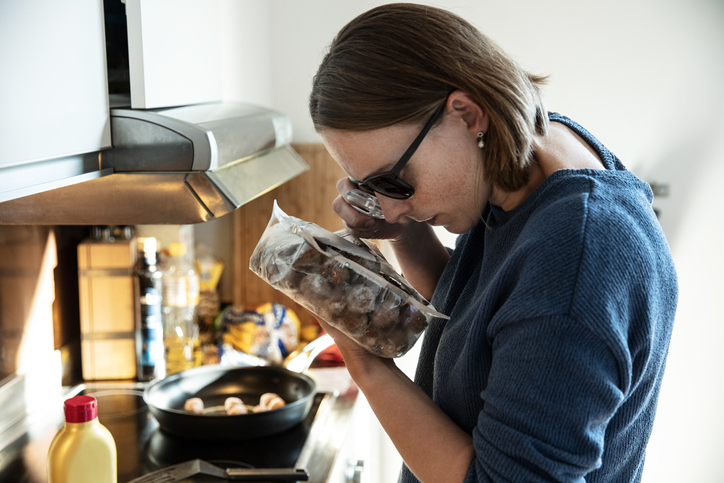
The food and beverage industry is experiencing a wave of innovation in response to the needs of visually impaired consumers. With over 30 million blind and partially sighted individuals in Europe alone, it is evident that this is a significant market segment. Currently, nine out of ten visually impaired shoppers find it challenging to read packaging information on food and beverage products. This presents a ripe opportunity for industry players to develop solutions that enhance accessibility.
One company making strides in this area is UK-based Zappar. Their app, Zapvision, utilizes QR codes to provide auditory cues and category information for products. Users can simply point their mobile devices towards a product, and the app will detect the accessible QR code up to 1.2 meters away. Additionally, the app’s built-in accessibility features such as voice assist allow visually impaired consumers to access vital product information, including allergens and dietary preferences.
Another player in this space is meat-free brand Quorn, which has partnered with the Royal National Institute of Blind People (RNIB) to make their frozen range of products more accessible. They are using NaviLens technology, which employs separate barcodes instead of traditional QR codes. These barcodes can be read by smartphone devices up to 12 times further away, eliminating the need for precise code location. With this technology, visually impaired shoppers can easily find their preferred products and obtain key information, enabling them to make informed purchase decisions.
According to Gill Riley, Marketing Director at Quorn Foods UK, the introduction of NaviLens technology is a significant step towards inclusivity for visually impaired individuals. By incorporating these barcodes onto their product packaging, Quorn hopes to attract a broader consumer base and provide equal access to their offerings.
While QR codes remain a viable option for brands already utilizing them, the NaviLens approach offers an alternative for those without existing codes. The RNIB’s Marc Powell emphasizes the importance of this technology, stating that visually impaired individuals have historically been deprived of essential nutrition information. The introduction of these innovations provides equal access and bridges the information gap that has existed for far too long.
To fully capitalize on this opportunity, it is crucial for more brands and manufacturers to adopt this technology and make their products accessible to visually impaired consumers. The industry has made significant progress in recent years, but there is still work to be done. Education and awareness among visually impaired shoppers need to be improved to ensure they are aware of these innovative solutions.
The food and beverage industry is witnessing a transformation as it embraces technology to enhance accessibility for visually impaired individuals. The introduction of apps like Zapvision and NaviLens’s barcode system has provided a smoother and more inclusive shopping experience. With the market size for visually impaired consumers continuing to grow, it is imperative that brands and manufacturers prioritize inclusivity and make their products accessible to all.