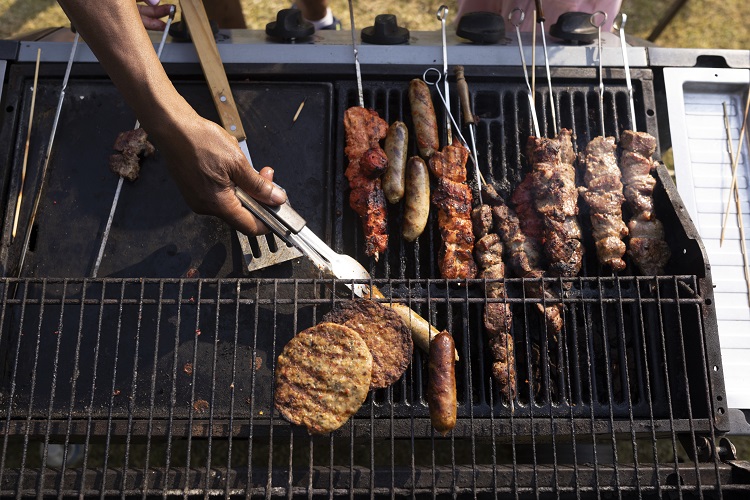
Halal, meaning ‘permissible’ in Arabic, refers to food that adheres to specific guidelines outlined in the Qur’an, the central religious text of Islam. It must be free from impurities or forbidden substances and follow Islamic principles of cleanliness and purity. Additionally, halal extends beyond food to include beverages, cosmetics, supplements, and finance.
The Muslim population in the UK is steadily growing due to immigration from countries like Pakistan, Bangladesh, Nigeria, Iran, Afghanistan, Türkiye, and Somalia, as well as Eastern European countries. By 2050, the UK’s Muslim population is projected to reach 13 million, compared to the current four million. However, the global market for halal food is not limited to the UK, and it is experiencing growth worldwide. Fortune Business predicts that the global halal food and beverages market will expand from $2.09 trillion in 2021 to $3.27 trillion by 2028.
Europe, including France as the country with the largest proportion, is a key region for halal market growth. As the European Muslim community is forecasted to increase from 4.9% to 7.4% of the population by 2050, demand for halal products will rise, leading to wider availability. Major mainstream chains like KFC and Nandos already use halal chicken in areas with a significant Muslim population. This population growth, coupled with the potential for exporting halal products, presents significant opportunities for European businesses.
The growth of the halal market can be attributed to the rising income levels among Muslims, allowing them to travel more and broaden the market for halal products. In the UK, almost 50% of Muslims are under the age of 24, and younger generations, particularly Gen Z Muslim women, are more likely to work, leading to increased disposable income. These time-poor and cash-rich individuals seek convenient halal food options, creating space for companies like TAKUL to introduce halal convenience foods.
Moreover, halal products are gaining popularity among non-Muslims due to their stringent processing rules, which provide a sense of assurance regarding safety and adherence to ethical standards. Traceability and higher animal welfare standards are appealing to consumers in countries where production standards may not be as rigorous. Hygiene and food safety are also prioritized through ongoing monitoring and cleaning processes. Certification plays a crucial role in ensuring the halal status of products, involving inspections of premises, examination of ingredient traceability, and adherence to Islamic Dietary Laws as well as national and international regulations.
Overall, the growing halal market presents lucrative opportunities for businesses in the food and beverage industry. The increasing Muslim population, both in the UK and globally, along with the appeal of halal products to non-Muslims based on their strict standards and certifications, contributes to its expanding market reach. With the right strategies and innovative approaches, businesses can tap into this market and cater to the rising demand for halal products.