

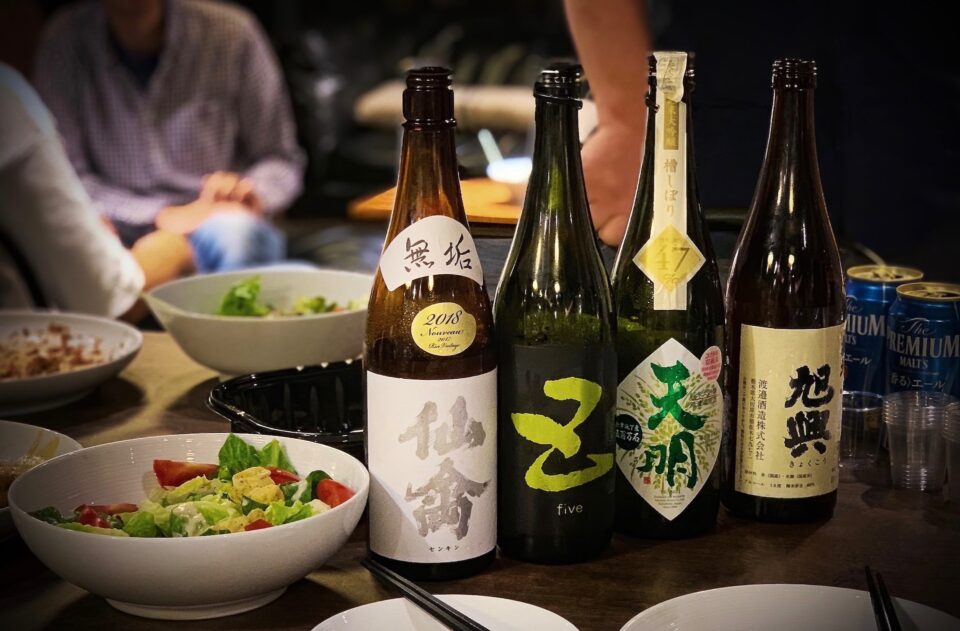
According to industry experts speaking at an event in Japan House, Japanese sake has traditionally been viewed as a niche product by UK consumers, often associated only with seafood. However, there is a growing belief that sake could play a similar role to wine for British consumers, becoming a versatile beverage to pair with a variety of foods.
Meanwhile, in North America, Domatcha is leading the way in developing decaf Japanese matcha, making it accessible to a wider market. Founder John Harrison explained that this innovation is in response to the increasing demand for decaf drinks in North America, including matcha tea.
Sake is considered an integral part of Japanese culture and is expected to receive UNESCO Intangible Cultural Heritage status in 2024. However, in the UK, 90% of sake consumption takes place in restaurants. Industry insiders at Japan House emphasized the flexibility of sake and its potential for a wide range of uses beyond dining establishments.
Miho Imada, a sake brewmaster and president of Imada Saké Brewery Co Ltd, expressed her belief in producing Japanese sake that can compete with red wine, highlighting the drink’s versatility. UK wine writer Abbie Molten added that sake is incredibly food-friendly and offers delicacy and umami notes.
There is anticipation of increased interest in sake among UK consumers, driven by a thirst for discovery and a desire to explore different regions and production styles. Masumi Nakano, Vice President of the Association for the Preservation Society of Japanese Koji-based Sake Making Craftsmanship, sees an opportunity to expand sake consumption beyond Asian restaurants by tapping into the off-trade sector and increasing marketing efforts in the UK market.
Similarly, matcha was once relatively unknown outside of Japan, but with innovations like decaffeinated options, it is becoming more accessible to a wider range of markets. Domatcha, being the only brand outside of Japan to offer decaf matcha, went through a complex process involving a CO2 extraction method in partnership with a Japanese tea grower, procurer, and blender. This development took over four years, and Domatcha currently holds exclusive rights to sell Master’s Decaf in North America.
While caffeinated drinks continue to grow in popularity in Europe, North American consumers, according to John Harrison, are seeking alternatives such as decaf coffee and decaf matcha. This trend of looking for something different presents opportunities for brands like Domatcha.
In summary, Japanese sake and matcha are both experiencing shifts in perception and accessibility. Sake has the potential to become a versatile beverage for British consumers, while innovations like decaf matcha are expanding the reach of this traditional Japanese drink. The food and beverage industry continues to evolve with trends in consumer preferences, manufacturing technologies, and sustainability practices, presenting opportunities for further innovation, marketing, and growth in the sector.

