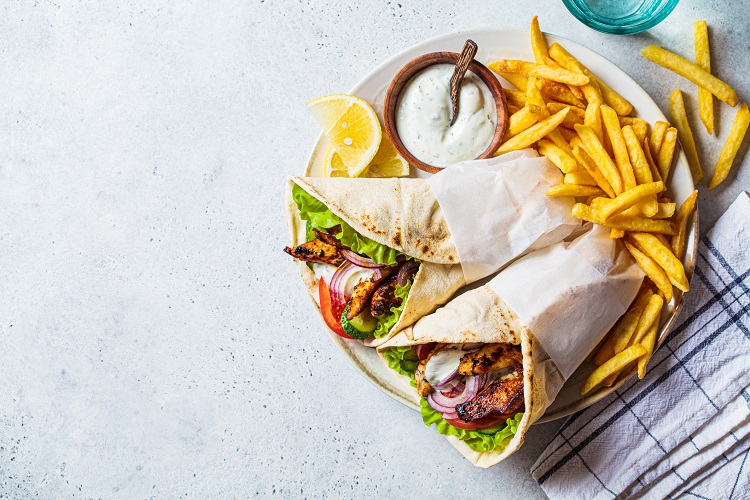
In Israel, the demand for meat replacements is poised to experience significant growth in the coming years. According to Statista, the market is expected to increase by 12.4% annually over the next five years, from a current revenue of $20m (€18.54m).
Tnuva, a prominent player in the Israeli food industry, has been actively participating in this category by offering imported hamburger meat substitutes. However, with the establishment of its new R&D Centre for Alternative Protein in Rehovot, the company is now launching its own line of products called the ‘Vegetarian Series’.
The ‘Vegetarian Series’ consists of three plant-based alternatives to chicken, beef, and shawarma. These analogues are crafted from soya protein, comprising soya protein isolate and soya protein concentrate, with each containing approximately 20g of protein per 100g. It is important to note that the product also includes egg protein albumin, hence its ‘vegetarian’ labeling.
Pnina Sverdlov, the head of the R&D and Projects Department of the Tnuva Group, stated, “This is the first alternative chicken and meat products that were developed at Tnuva’s R&D alternative protein center. The products are manufactured at Tnuva’s alternative protein plant-based plant in the north.” She also emphasized Tnuva’s expertise in alternative protein and its understanding of consumer preferences, which guided the development and production of these tailored products for the Israeli market.
Tnuva is considered a pioneer in the alternative protein field within Israel, with Anat Gross-Shon, CEO of Tnuva’s Dairy Division, highlighting the company’s investment of over NIS 250m (€60m) in R&D and alternative protein production over the past decade. This commitment has allowed Tnuva to thoroughly test, experiment, and evaluate various alternative proteins, innovative ingredients, and advanced technologies at its R&D center.
Sverdlov proudly shared, “In consumer tests, our products scored highly.” She further explained, “As the largest food company in Israel, Tnuva combines in-depth knowledge of Israeli tastes with advanced production and development capabilities, enabling us to create a product with a similar taste and texture to meat.”
Tnuva’s Vegetarian Series will be launched in the first phase and will soon be available in the frozen food sections of supermarkets and other retailers.
Overall, these developments in the food and beverage industry align with several trends such as food manufacturing innovation, food processing technology, food distribution strategies, food and drink industry sustainability, food and drink regulations, food and drink packaging, food and drink marketing, and food and drink consumer trends. This demonstrates Tnuva’s commitment to staying at the forefront of the industry and catering to evolving market demands.