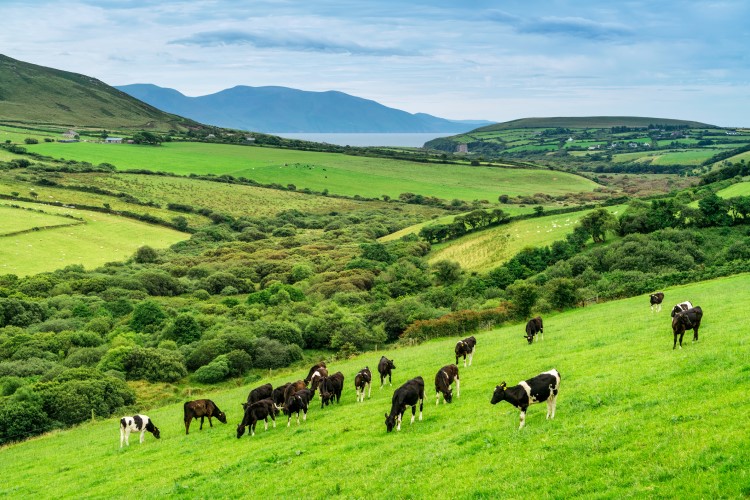
The Irish dairy sector is opposing a proposed dairy exit scheme and voluntary cow culling as part of a wider effort to reduce the country’s farming emissions. These measures are being considered to meet Ireland’s target of reducing emissions by 51% by 2030. However, the dairy industry, which contributes significantly to the country’s economy, argues that such measures are excessive and could have detrimental effects. The industry generated close to €7bn in exports alone in 2022, compared to €2.5bn from the beef sector. The government aims to reduce agricultural emissions by 25% by 2030, with a focus on tackling emissions from cattle, including methane and nitrous oxide. One proposal suggests slaughtering up to 180,000 dairy cows, with farmers receiving compensation of €5,000 per cow. Industry stakeholders are considering nine measures to reduce the number of dairy cows in Ireland under a dairy exit scheme. However, there are concerns that these measures could have undesirable consequences for both the farming and processing levels of the dairy sector. The Irish Farmers’ Association and Dairy Industry Ireland have also expressed reservations about the scheme, highlighting the lack of clarity and the potential for increased emissions from agriculture in other countries. The alternative proposed by voluntary rural youth representative organization Macra is an on-farm succession scheme that supports older farmers stepping back while incentivizing younger farmers to adopt environmentally-friendly farming practices. This scheme would financially reward landowners who step back from farming and encourage successors to implement measures to reduce the carbon footprint of their farms.
Irish dairy industry resists dairy exit program and voluntary cow culling