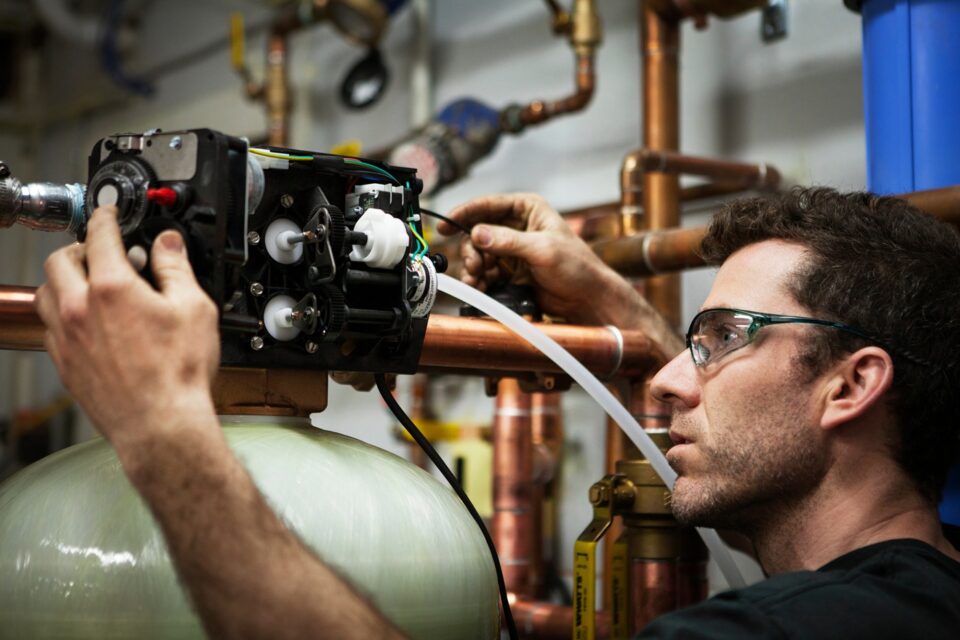
With tighter regulations, rising energy costs, and growing sustainability expectations, food and beverage manufacturers are rethinking capital investment. Instead of full system overhauls, the industry is turning to targeted, high-ROI upgrades—boosting efficiency, reducing waste, and future-proofing operations line by line. This modular, data-led approach is reshaping the engineering landscape across the sector.
Smarter Spending, Better Outcomes
Food and beverage producers face relentless pressure to maintain high output, meet evolving hygiene standards, and cut their environmental footprint—all while controlling costs. The solution? Smarter spending. Rather than committing to disruptive, site-wide upgrades, businesses are increasingly investing in modular components and targeted retrofits.
From advanced filling nozzles to intelligent flow controllers, component-level upgrades are allowing manufacturers to tackle operational bottlenecks quickly and affordably. These strategic investments not only boost line performance but also support agility as consumer demand and regulatory expectations shift.
Modular Engineering Meets Market Demands
Today’s production environments demand flexibility. With SKU proliferation and consumer appetite for variety, food plants must adapt rapidly without compromising safety or speed. Modular equipment—such as plug-and-play metering units, vision systems, or servo-driven cutting heads—makes it possible to scale and switch with minimal disruption.
For instance, a mid-size snack producer recently added a servo-controlled pack sealer to an existing line. The result? Faster changeovers, reduced film waste, and increased uptime—without a full packaging system replacement. These smart additions offer scalable value while preserving the existing plant footprint.
Packaging Machinery Gets Smarter
Packaging remains a core focus of investment, driven by new sustainability regulations and consumer scrutiny. Lightweight, recyclable, or compostable materials require machines with far greater sensitivity and control. Food manufacturers are now retrofitting packaging lines with variable speed drives, adaptive actuators, and AI-guided control systems.
These upgrades enable lines to handle more delicate films and trays with precision. The ability to accommodate changing packaging formats without increasing waste or downtime is becoming a strategic advantage—especially in retail-facing segments where sustainability is a key selling point.

AI-Powered Quality Control and Inspection
Food safety remains non-negotiable—and today’s quality control technology is getting smarter. High-speed cameras, X-ray inspection systems, and AI-enabled image recognition tools are being embedded directly into conveyor lines. These systems catch inconsistencies, contaminants, and labelling errors in real time.
One dairy manufacturer saw a 40% drop in customer complaints after installing inline vision and X-ray systems across its bottling line. The technology not only ensured compliance with strict EU food safety regulations but also protected brand reputation and reduced costly rework.
Sustainability Through Engineering Innovation
Engineering upgrades are also playing a pivotal role in helping manufacturers meet net-zero goals. Whether it’s through high-efficiency motors, optimised clean-in-place (CIP) systems, or low-pressure spray technology, these changes are driving measurable reductions in energy and water consumption.
A UK-based sauces manufacturer recently reported a 19% energy reduction after replacing outdated pumps and flow controllers with smart, energy-optimised versions. These changes often pay for themselves within 18 months—and future-proof the plant against rising utility costs and carbon levies.
Plug-and-Play Upgrades Reduce Downtime
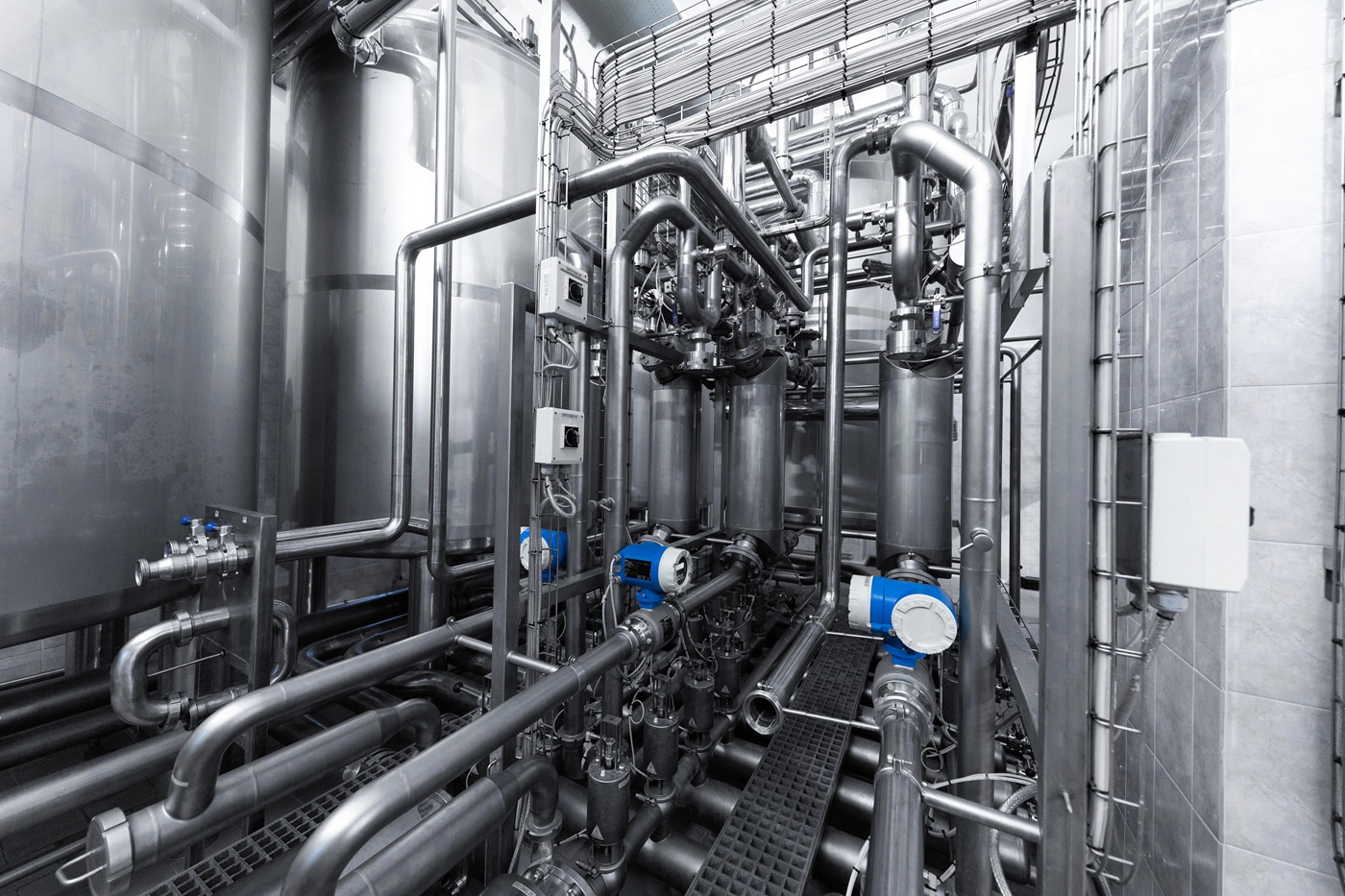
One of the most significant shifts is the adoption of plug-and-play components. These modular units—ranging from dosing pumps to label applicators—are designed for rapid integration into existing setups. That means less downtime, faster commissioning, and lower installation risk.
This strategy is particularly valuable in high-mix, low-volume operations, where speed-to-market is critical. Being able to reconfigure production lines within hours, not days, allows manufacturers to stay ahead of seasonal trends, promotional campaigns, or regulatory shifts.
Data-Driven Engineering for Smarter Decisions
Smart components are increasingly IoT-enabled, feeding data directly into SCADA, MES, and ERP systems. This real-time insight—covering temperature, vibration, energy usage, and maintenance status—is revolutionising decision-making on the factory floor.
With predictive maintenance tools now embedded in many newer systems, manufacturers can pre-empt failure before it happens. Line data also supports smarter investment planning—highlighting underperforming components and prioritising upgrades that deliver the fastest ROI.
Designing for Hygiene from the Ground Up
Hygienic design is also advancing. New equipment is being built with open-frame construction, sloped surfaces, and tool-less disassembly—making cleaning faster and more thorough. In retrofits, older conveyors and fillers are being replaced with stainless-steel, corrosion-resistant versions better suited to frequent washdowns.
For ready-to-eat food segments, allergen control and microbial safety are critical. Upgraded machines with non-contact handling systems reduce the risk of contamination while meeting the rigorous demands of modern hygiene audits.
From Cost Centre to Growth Strategy
What was once seen as a maintenance expense is now understood as a strategic enabler. Engineering upgrades in the food and drink sector are not just about compliance—they’re about unlocking agility, building resilience, and delivering customer value faster.
The industry’s most competitive players are no longer waiting for equipment to fail. They’re planning ahead, piloting new technologies, and building smarter plants—one component at a time.