

The food and drink sector relies heavily on machinery to meet demand on an industrial level. From large-scale production equipment to smaller machines that aid in processing, packaging, and transportation, all this equipment is powered by gears, drives, and controls.
For such small and easily overlooked components of the food industry, they are invaluable to the efficient operation, reliability, and safety of machine operation on any production line, and therefore contribute this trinity of vital factors to industry procedure as a whole.
Gears
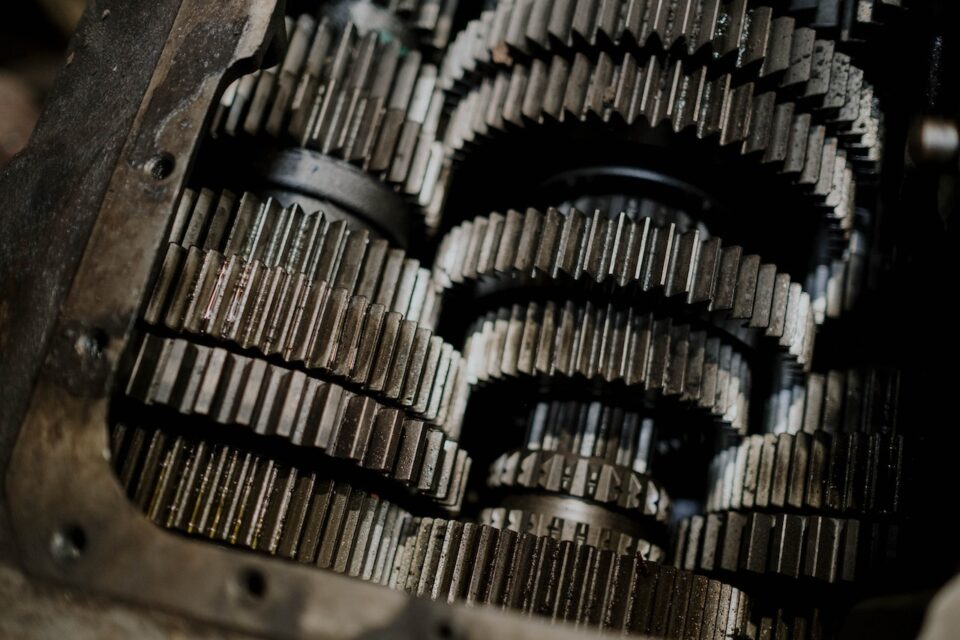
Starting with gears, which can be found in conveyors, mixers, slicers, grinders, and a multitude more machines besides, their main function is to transmit power and torque from the motor to the machine’s working parts. The gears in a meat grinder, for instance, power the blades that grind the meat. Here and for other purposes, such as mixing, blending, and slicing, they also provide the function and safety assurance of making blades or mechanisms move with only the amount of speed and force necessary to properly prepare ingredients. Elsewhere, gears can perform subtly different functions, being used in extruders to power the screw which pushes product through the extrusion die, or working together in conveyors to ensure that items are moved from one location to another steadily, safely, and in a timely manner.
Drives
With the gears doing their job of ensuring power travels to all moving parts, the baton then passes to the drives, which control the speed and force provided by the motor. While this might sound similar to what the gears have already accomplished, the specific regulation drives offer comes in particularly useful when different types of food processing equipment require different speeds and torques to operate effectively. This demand occurs all the time; a slicer needs to operate at a different speed and torque than a mixer, just as one example. Drives make it possible to adjust the speed and torque of the motor to match the requirements of the equipment, ensuring that it operates efficiently and safely. Variable frequency drives (VFDs) are a popular type of drive used for this exact purpose of regulating the speed of motors, as they allow for fine-tuned control of how power is used. In allowing for more precise control of equipment, VFDs can improve product quality and consistency, while simultaneously reducing energy consumption and extending equipment life.
Controls
Once speed and force have each been distributed and regulated within a machine, controls take over the monitoring and adjustment of equipment parameters, such as temperature, pressure, and speed. These can enable operators to monitor and control the various processes that take place during food processing. In some cases the controls themselves may even be relied upon to automate processes, such as weighing and sorting, which reduce labour costs and even further improve efficiency, especially when all care has been taken to install energy efficient components elsewhere. Dedicated monitors linked with some control systems can detect needs for changes in operation parameters, so operators can then adjust accordingly. This variety of function makes controls invaluable for ensuring optimal performance throughout every stage of production.
The Importance of Safety
Because controls enhance and action the monitoring and maintenance of safe machinery processes, control mechanisms themselves must meet strict standards ensuring that equipment operates safely and doesn’t pose a risk to human health. The same standard goes for all components, including gears and drives, as these all work together for high standards of product quality, health, and safety for consumers as well as machine operators.
Proper Preservation
Proper preservation of all these components is crucial to sustaining the reliability and efficiency they provide to food and drink production processes. For one, food processing equipment must be designed to be easily cleaned and sanitized, to prevent contamination and the spread of foodborne illness. Gears in particular must be made of food-grade materials and be resistant to corrosion and wear, as these are in regular contact with food products being processed, are therefore required to be as safe for human consumption as the products themselves. This is why stainless steel is a common and ideal material for machinery, due to its durability, corrosion resistance, and ease of cleaning.
Conclusion
Gears, drives, and controls are essential components of food and drink production machinery. They ensure the efficient, reliable, and safe operation of equipment, which is vital to meeting demand and maintaining high standards of product quality and safety. By taking care to select and maintain high-quality components, food and drink producers can ensure that their machinery performs at its best for many years to come.

