

In the rapidly evolving food and beverage sector, the use of plastic plays a crucial role in ensuring food safety and freshness. However, the improper disposal and use of unsustainable plastic materials have led to devastating plastic pollution, causing harm to natural ecosystems. Shockingly, it is estimated that around eight million tonnes of plastic find their way into the marine environment each year, and if left unchecked, it is projected that there will be more plastic than fish in the ocean by 2050.
Seeking a sustainable solution to this growing problem, Cambridge-based start-up Searo is pioneering the development of natural polymers made from seaweed. Co-founder and co-CEO Francis Field explained that their seaweed-based materials not only address the plastic crisis but also offer additional environmental benefits. By utilizing these natural polymers, Searo has been able to extend the shelf life of products. Moreover, since the materials are biodegradable, they contribute to improving soil health when composted.
From the outset, Searo’s co-founders insisted on creating a biodegradable solution. They were motivated by farmers who had noticed plastic residue in their soil, which had not properly broken down in industrial processing facilities. Field emphasized the rapid breakdown of their seaweed-based materials, both in natural environments and in food waste. The company is leveraging the polysaccharides found in seaweed to create a natural polymer that can replace plastic in various forms of packaging, ranging from clear fruit punnets to flexible films. Their focus is primarily on targeting notorious plastic waste items that should never have been made from plastic in the first place.
In their commitment to sustainability, Searo recently entered into a supply agreement with SELT Marine Group, a leading organic seaweed producer. SELT farms seaweed in Tunisia’s Bizerte Lake, utilizing a process that requires no land or freshwater. The sustainable nature of this seaweed farming helps capture carbon, with a portion of it being locked into Searo’s packaging, effectively acting as a carbon sink.
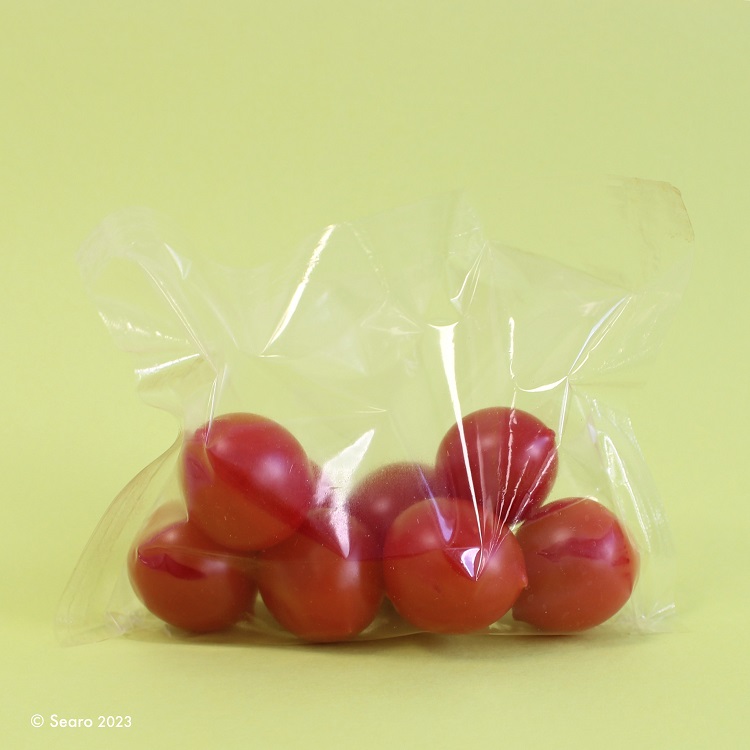
Functionality is a key consideration for Searo’s packaging formats. They are strategically targeting applications where the seaweed-derived polymer excels, such as flow wraps, punnets, and single-use cups. These products have lower performance requirements but should resemble conventional plastic in terms of appearance and texture to appeal to consumers who make quick purchasing decisions based on desires and visual cues.
To facilitate quick adoption across supply chains and existing manufacturing equipment, Searo is striving for swift integration of their innovation. While the price parity with conventional plastic is still under discussion, Field believes that as industry faces pressure to decarbonize and move towards a net-zero future, rising plastic taxes and associated costs will make their seaweed-based packaging increasingly competitive. In addition, consumers should consider the hidden costs associated with plastic, including waste management expenses and the environmental toll.
However, Searo’s biggest challenge lies in fostering collaboration between stakeholders. They seek alignment between industry, government, non-governmental organizations (NGOs), and institutions to collectively address the issue of packaging pollution. Despite this challenge, Searo is actively working to bring their products to store shelves. They have moved beyond the laboratory and are currently conducting pilot trials with industry partners, with plans to launch their first products before the end of the year.
In conclusion, Searo’s innovative use of seaweed-based materials demonstrates their commitment to sustainability in the food and beverage sector. By replacing plastic with biodegradable polymers derived from seaweed, they aim to combat plastic pollution while offering environmental benefits. As they continue to refine their products and expand their reach, Searo serves as a beacon of hope in the ongoing battle against plastic waste.

