

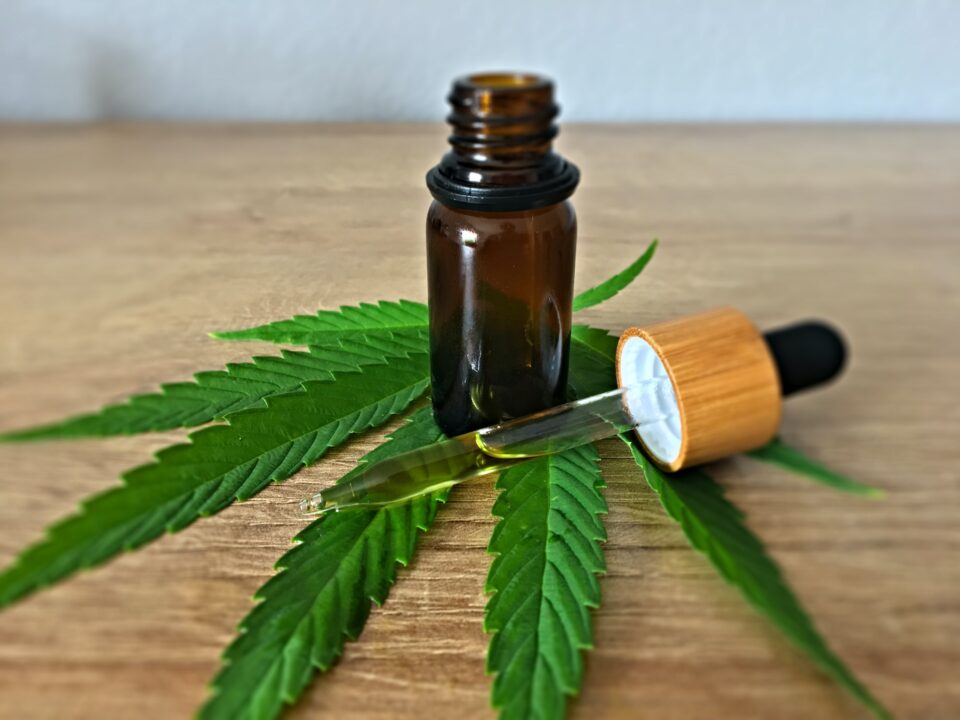
The researchers have found that CBD products in the UK deviate significantly from their advertised CBD content, raising concerns about consumers’ ability to achieve their desired CBD dose. This discrepancy is alarming considering the increasing demand for CBD due to its perceived benefits in managing medical conditions and improving overall health and wellness.
A wide range of CBD-containing products, such as oils, tinctures, e-liquids, drinks, and topical creams, are available to consumers. However, previous analyses have highlighted issues with the quality of these products, including inconsistencies between advertised and actual CBD content, as well as contamination with illicit cannabinoids.
To address this, a recent study assessed CBD concentrations in a variety of products commonly found in the UK market. The study included oils, aqueous tinctures, e-liquids, and drinks. The concentrations were measured using high-performance liquid chromatography and gas chromatography-mass spectrometry.
The findings revealed that only 8% of the tested products had CBD concentrations within 10% of the advertised amounts, and these products were exclusively oils. All other products fell more than 10% below the advertised CBD content, except for one oil that had a concentration 50% higher than advertised. Aqueous tinctures had the largest deviation (-25.7±17.3), followed by oils (-6.1±7.8), e-liquids (-6.9±4.6), and drinks (-0.03±0.06 mg/mL).
Compared to previous analyses, this study showed a greater deviation from advertised concentrations. This discrepancy can be attributed to the inclusion of e-liquids, aqueous tinctures, and drinks, which have rarely been examined before. It is unclear whether these deviations occur during manufacturing or result from degradation afterwards. Research has shown that CBD in e-liquids can degrade when exposed to natural light or high temperatures, suggesting that degradation may contribute to the observed discrepancies.
The study suggests that CBD degradation rates should be further investigated in consumer products, along with within-product variability in labeling accuracy. Additionally, CBD concentrations in research studies should be analyzed to ensure appropriateness. These findings highlight the need for stricter quality control measures and consistent CBD content in products.
In conclusion, the CBD content of various products in the UK falls significantly below their advertised concentrations, posing challenges for consumers who rely on these products to achieve their desired CBD dose. Stricter regulations, quality control, and accurate labeling are essential to ensure customer satisfaction and safety in the CBD market.
Source: Journal of Cannabis Research
doi: 10.1186/s42238-023-00183-y
“A comparison of advertised versus actual cannabidiol (CBD) content of oils, aqueous tinctures, e-liquids, and drinks purchased in the UK”
Authors: Johnson DA, Hogan M, Marriot R, Heaney LM, Bailey SJ, Clifford T, James LJ.

