Recent insights from a collaborative report by the Food Standards Agency (FSA) and Food Standards Scotland (FSS) reveal the food technologies poised to reshape the UK food landscape within the next decade.
The comprehensive Thematic Report on Emerging Food Innovations, produced by the Market Authorisation Innovation Research Programme (IRP), highlights cutting-edge technologies that are expected to introduce new food safety and regulatory challenges across Great Britain over the next ten years.
Funded by the Department for Science, Innovation and Technology (DSIT), this programme aims to complement the Cell-Cultivated Products Regulatory Sandbox, which debuted in March 2025. This initiative allows innovators to engage with regulators early in the process, paving the way for smoother formal applications concerning cell-cultivated products.
The report meticulously outlines several promising areas that are anticipated to significantly impact the food system, including:
- Controlled Environment Agriculture (CEA)—Often referred to as vertical farming, this method involves growing crops in climate-controlled indoor spaces where every aspect, including nutrient administration, is meticulously monitored.
- Precision and Biomass Fermentation—This technique harnesses rapid microbial growth to produce protein-rich biomass, potentially transforming food production methods.
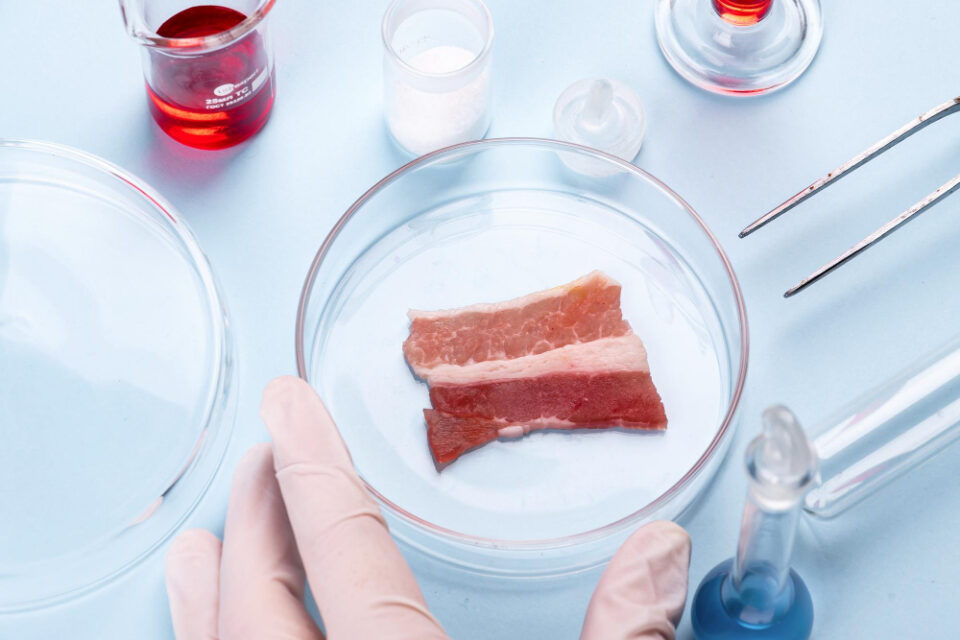
- Cellular Agriculture, Including Cell-Cultivated Foods—This innovative approach to food production eliminates the need for traditional farming practices, such as rearing livestock and growing crops.
- Edible Insects—These may be marketed as whole insects or incorporated as ingredients (e.g., powders) in familiar food items, offering a nutrient-dense alternative protein source.
- Molecular Farming—Here, plants or plant cells serve as micro-factories to produce essential food ingredients, including proteins and enzymes.
- Gas Fermentation—By utilizing microbes to convert captured gases such as carbon dioxide and hydrogen into single-cell proteins, this process opens up new avenues for sustainable food production.
- 3D Food Printing—This emerging technology enables the creation of foods like chocolate and mashed potatoes through the precise layering of edible ingredients from a 3D printer.
- Reverse Food Manufacturing—This innovative method recovers nutrients from food by-products, transforming them into new and valuable ingredients.
While some technologies, such as molecular farming, are still in the early stages of development, others like reverse food manufacturing and 3D food printing remain conceptual and represent areas for longer-term observation, as noted in the report.
Dr. Thomas Vincent, the deputy director of innovation at the FSA, emphasized the importance of such emerging technologies, stating: “Emerging technologies are reshaping how our food is produced and sourced. This report gives industry and Government clear sight of what is coming, and what is required to ensure these products meet the UK’s high standards. The FSA and FSS’s remit is central to delivering these ambitions and by working early with innovators, we can support safe, responsible growth and build consumer confidence in the foods of the future.”
According to the FSA and FSS, this report provides the “clearest picture to date” of how advanced food production systems are evolving, and it outlines the implications for future-ready regulations. By clarifying regulatory requirements in advance, the report empowers companies to develop long-term research, manufacturing, and investment strategies with enhanced certainty.
For regulatory bodies, the report serves as a “strategic blueprint,” highlighting where scientific capabilities, guidance development, and risk assessment protocols will need to evolve in tandem with innovation.
Additionally, the development of this report was informed by comprehensive evidence gathered from focus groups and surveys. This ensures that regulatory planning adequately reflects the inquiries and concerns raised by the public, fostering transparency and trust in the evolving food landscape.