

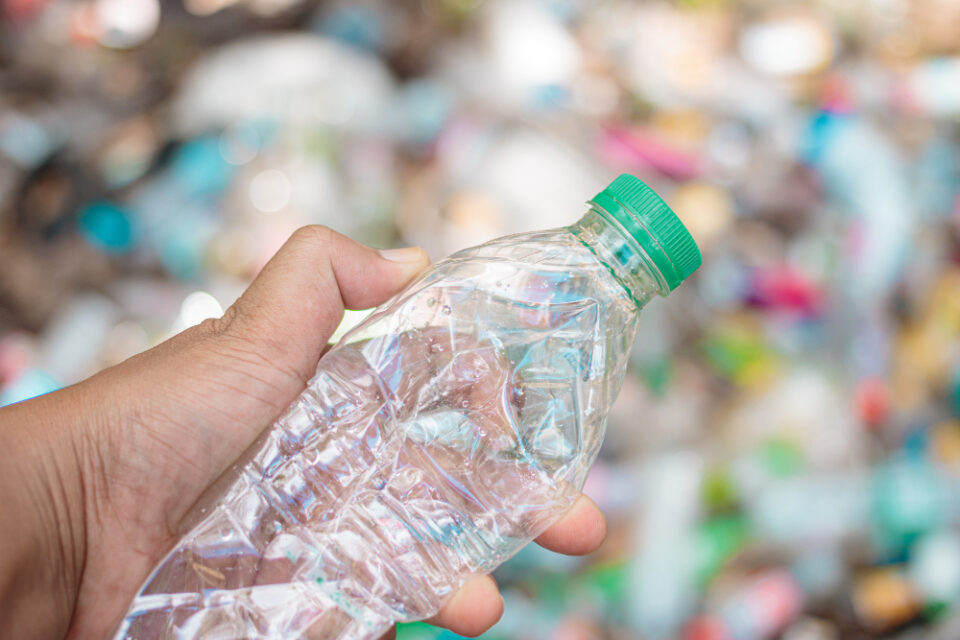
Following the European Parliament’s expression of interest in banning BPA (Bisphenol A) in 2023, member states endorsed the decision in 2024, leading to its ban in December. This critical step reflects ongoing trends in food and drink regulations aimed at enhancing consumer safety.
Under this ban, BPA will be prohibited in all materials that come into direct contact with food and beverages. This includes reusable plastic bottles, water distribution coolers, and the linings of metal cans, marking a significant shift in food and beverage industry standards.
An 18-month phase-out period will allow the food industry to adapt, ensuring minimal disruption in supply chains. Moreover, BPA usage will be restricted to very limited situations where alternative materials are nonexistent, aligning with broader food processing technology advancements.
This regulatory measure also extends to other bisphenols that may adversely affect reproductive and endocrine health, addressing pressing concerns regarding consumer safety and sustainability in food packaging.
Why is BPA Controversial?
BPA, utilized in the production of plastics and resins, is commonly found in food contact materials such as bottles and cans. The effort to prohibit BPA has gained traction, as France and Denmark have previously implemented bans on this harmful chemical, particularly in infant bottles across the EU.
The controversy surrounding BPA centers on two main issues: the health risks associated with its use and its ability to leach from packaging into food and beverages. Multiple studies link BPA to adverse health effects, including vision impairment, skin allergies, reduced fertility, and endocrine disruption, which can compromise hormonal balance. The European Chemical Agency (ECHA) categorizes BPA as a hazardous chemical, heightening industry awareness of food and drink consumer trends focused on health safety.
A 2023 assessment by the European Food Safety Authority (EFSA) highlighted concerns about dietary exposure to BPA across all age groups, particularly its detrimental impact on the immune system. Consequently, EFSA drastically reduced the tolerable intake level from 4 micrograms set in 2015 to 0.2 nanograms per kilogram of body weight per day—approximately 20,000 times lower. This change underscores the increasing emphasis on food and drink sustainability within regulatory frameworks.
Furthermore, the European Environmental Agency (EEA) found elevated levels of BPA in human populations, raising significant concerns regarding food safety and packaging standards.
Because BPA can migrate from packaging into food, this raises the overall risk for consumer exposure, making the regulation immensely relevant to emerging food manufacturing trends.
Why Was BPA Banned?
The mounting evidence linking BPA to negative health outcomes propelled the commission to enact the ban. The commission’s official website emphasizes the “potentially harmful health impact” of this ubiquitous chemical.
One of the pivotal studies informing this decision was conducted by EFSA.
“EFSA’s scientific advice supports the decision-making of the European Commission and EU Member States, who are responsible for setting limits on the amount of a chemical that may migrate from food packaging into food or introducing other specific restrictions to protect consumers,” stated a spokesperson for EFSA.

