

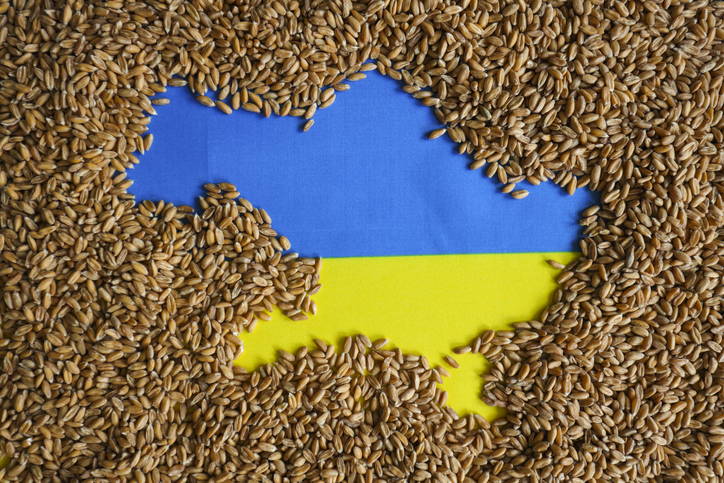
The recent withdrawal of Russia from the Black Sea grain deal is causing concern among experts and could have significant impacts on global food prices and supplies. The deal had played a crucial role in stabilizing volatile markets for food and grain, but Russia’s decision to pull out is seen as a move to prevent Ukraine from selling grain and gaining hard currency. This development has raised fears of food shortages in countries heavily reliant on Ukrainian and Russian food supplies, particularly in North Africa and the Middle East. Moreover, it is expected to trigger a fresh round of potentially destabilizing global food inflation in Europe, leading to higher prices for manufacturers and consumers.
According to Professor Tim Benton, a food security expert at Chatham House, Russia’s withdrawal from the Black Sea Grain Deal reflects its continued use of grain as a weapon of war. He pointed out that Russia aims to gain political leverage by pressuring the most vulnerable and food-insecure populations globally. Although it is unlikely to cause another food price spike given the current global supplies, the withdrawal is expected to tighten international markets and exert upward pressure on prices.
While global cereal stocks remain stable this year, the collapse of the grain deal presents an opportunity for financial actors to speculate on food and fertilizers, potentially driving up prices to secure higher profits. This situation exposes the shortcomings of the global food system, which heavily relies on a limited number of crops and animal species for nutrition. For instance, maize, wheat, and rice contribute to nearly 60% of humans’ caloric needs, indicating vulnerability to shocks.
Alberta Guerra, a Food Policy Expert at ActionAid, emphasized the need for continued grain exports from Russia and Ukraine while urging import-dependent countries to diversify their food sources and reduce reliance on grain markets for their food security. Recent research by ActionAid reveals that communities have been severely impacted by soaring food prices, paying up to 10 times the pre-Ukraine war costs. Guerra highlighted the importance of countries rebuilding their capacity to produce essential food items to reduce dependence on volatile global markets.
It is crucial that the international community finds a solution to prevent food from being used as a weapon of war and to ensure emergency food relief can reach those in need, particularly in East Africa, as stressed by Graham Gordon, head of public policy at CAFOD. Support for farmers to grow food sustainably and locally, building resilience to climate change, is essential to address the ongoing hunger crisis.
Sofia Monsalve Suarez, an expert with IPES-Food and secretary general of FIAN International, noted that governments have relied on temporary measures since last year’s food price spike and surge in hunger. The Black Sea grain deal provided temporary relief by calming highly volatile food markets. However, Russia’s withdrawal poses a threat to the 2.4 billion people currently experiencing food insecurity, who may now face rising food prices due to speculators reacting to the diplomatic situation. This withdrawal was never a robust solution and highlights the need for more sustainable long-term approaches.
In conclusion, Russia’s withdrawal from the Black Sea grain deal has raised concerns about food prices and supplies globally. The impact is particularly pronounced in regions heavily reliant on Ukrainian and Russian food supplies, as well as in Europe, where increased food inflation is anticipated. There is a need to address the vulnerabilities of the global food system, diversify food sources, and support sustainable local food production to ensure food security and mitigate the risks posed by political tensions and speculative markets.

