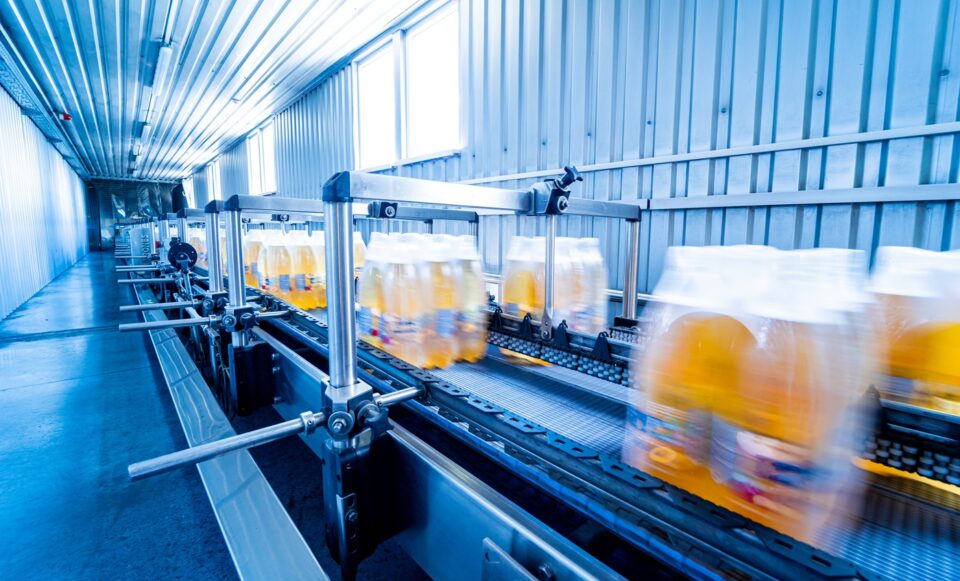
From automated handling to AI-driven tracking, smart materials handling is reshaping food and drink supply chains. By optimising flow, improving safety, and enhancing resilience, modern handling systems are helping producers cut waste, boost efficiency, and stay ahead in an unpredictable market.
Materials handling is the quiet engine of the food and beverage supply chain. From raw ingredients arriving at intake to finished products heading to retailers or foodservice outlets, every movement shapes product quality, operational efficiency, and brand reputation. With tighter margins, labour shortages, and rising regulatory scrutiny, the ability to move goods safely and efficiently is now a strategic differentiator.
From Intake to Dispatch: Building Flow and Resilience
The journey begins at intake, where time-sensitive ingredients such as chilled dairy, imported spirits, or bulk grains must be processed quickly to maintain integrity. Modern facilities increasingly rely on automated palletisers, conveyors, and robotic arms to speed up unloading, reduce manual handling, and minimise the risk of temperature abuse. This is not just about speed; it’s about control and consistency, ensuring that goods enter the facility with minimal risk of contamination or damage.
Once inside, storage and internal transport must balance density with accessibility. Smart racking systems, automated guided vehicles (AGVs), and autonomous mobile robots (AMRs) now work alongside AI-powered warehouse management and execution systems (WMS/WES) to optimise stock placement and movement. By reducing travel time and avoiding bottlenecks, these systems improve pick accuracy and accelerate order fulfilment. In temperature-controlled areas, efficient flow also reduces energy use, protecting product quality while lowering operational costs.
Automation, AI, and Human Collaboration
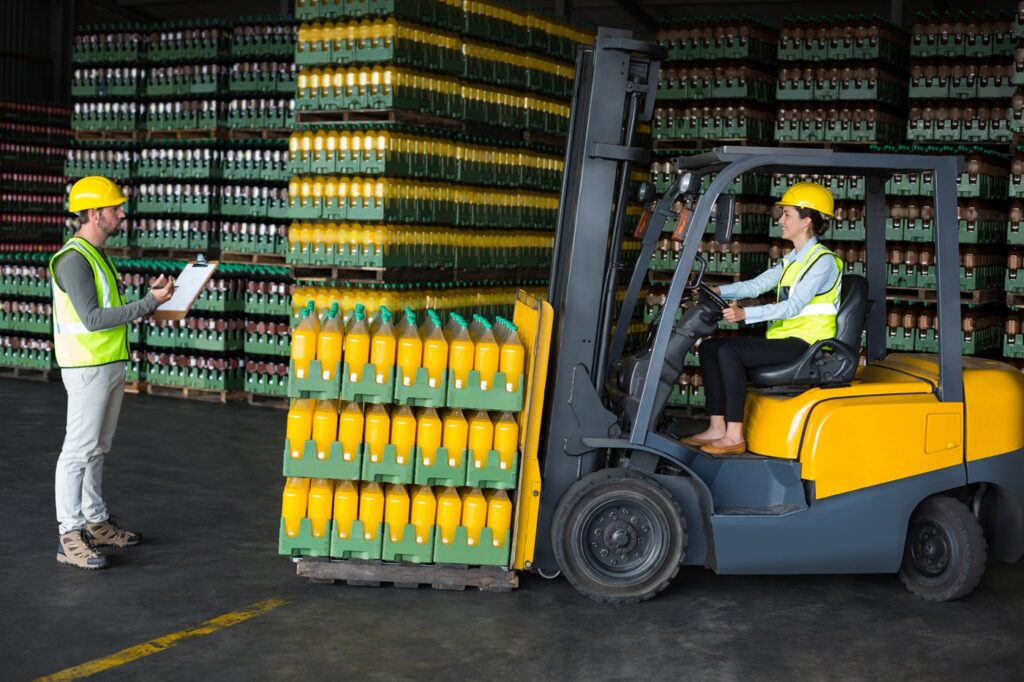
Labour challenges have driven rapid adoption of cobots and vision-guided picking systems on the production floor. Cobots handle repetitive tasks like palletising or packing, while advanced sorting conveyors can self-diagnose maintenance issues before they cause downtime. Robotics-as-a-Service (RaaS) models are also gaining traction, giving smaller manufacturers access to automation without heavy upfront costs.
Crucially, automation doesn’t eliminate the human role—it elevates it. Operators increasingly act as supervisors and analysts, managing exceptions, reviewing live data, and ensuring hygiene and safety protocols are met. This human-in-the-loop model, combined with ongoing workforce upskilling, is vital for blending efficiency with compliance.
Traceability, Data, and Emerging Regulation
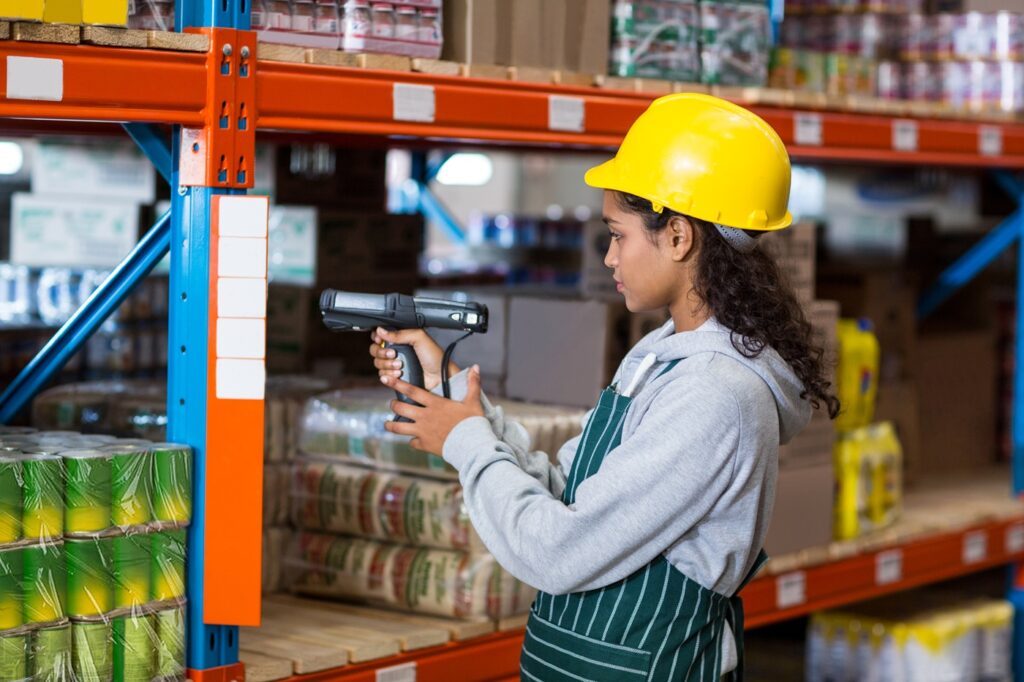
Modern materials handling systems are also critical to traceability and compliance. Embedded sensors, RFID, and barcode scanning feed continuous data into enterprise platforms, enabling:
-
Real-time product tracking from intake to dispatch
-
Rapid recall readiness in the event of contamination
-
Regulatory compliance with schemes like FSMA 204 (US) and UK food safety standards
Looking ahead, Digital Product Passports (DPPs) and blockchain-backed tracking are set to enhance transparency, particularly for high-value or sensitive food categories. Systems that can capture and transmit detailed product histories—covering origin, handling conditions, and sustainability metrics—will soon be indispensable.
Sustainability: Beyond Energy Efficiency
Environmental performance is no longer a side benefit; it’s a core KPI. Modern handling strategies reduce:
-
Food waste, by lowering damage and spoilage
-
Energy use, via smart routing and reduced cold storage exposure
-
Emissions, through electric forklifts, hydrogen-ready AGVs, and insulated high-speed doors
For businesses pursuing net-zero and circularity goals, efficient materials handling links environmental stewardship directly to financial returns.
Outbound Logistics and Agility
Once products are ready for dispatch, the focus shifts to speed and reliability. Direct-to-consumer growth and shorter retail delivery windows demand cross-docking, route-optimised picking, and automated loading bays. Integrated transport and warehouse data enable precise stock allocation and dynamic rerouting if disruptions occur—critical for maintaining resilience in the face of seasonal peaks or unexpected supply chain shocks.
Designing for the Future
What connects all these innovations is the principle of flow. The most effective facilities are designed holistically, considering the full product journey and anticipating future needs. Flexibility is key: layouts must adapt to changing product lines, regulatory shifts, and evolving market demands.
Safety, meanwhile, remains non-negotiable. Facilities that mix human and robotic traffic increasingly rely on zoned pathways, light-based warnings, and sensor-equipped AGVs to prevent accidents. By reducing manual lifting and exposure to hazards, advanced handling systems protect both staff and productivity.
The Business Case for Smarter Handling
The barriers to transformation—capital costs, legacy infrastructure, and fragmented supply chains—are real. Yet the benefits are decisive:
-
Faster turnaround and order accuracy
-
Reduced waste and energy consumption
-
Improved worker safety and morale
-
Greater resilience against disruption
In a mid-2025 landscape defined by inflationary pressures, sustainability targets, and rising consumer expectations, materials handling is no longer a background function. It is a strategic lever for growth, efficiency, and trust in the modern food and beverage supply chain.