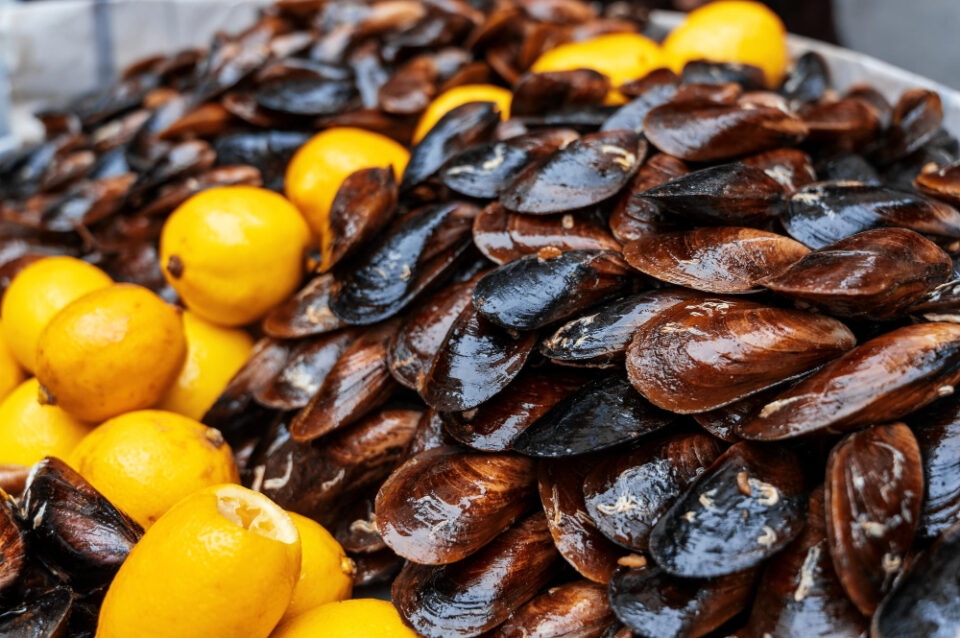
Virginia health authorities have suspended all shellfish harvesting in the Little Wicomico River in Northumberland County after several people developed Salmonella infections.
The outbreak was initially identified in Pennsylvania and has since been linked to shellfish collected from the Little Wicomico River. Five cases have been confirmed to date, prompting the closure of harvesting operations on the river through 7 November.
The restriction covers bivalve molluscs, including oysters and clams. It does not apply to crabs or finfish, also referred to as “true fish”. The closure follows a recommendation from the US Food and Drug Administration (FDA).
Virginia’s Department of Health (VDH) has confirmed that the action will not affect drinking-water supplies in the county.
In a statement, the Virginia Department of Health (VDH) said: “Effective October 9, out of an abundance of caution, VDH announced that the waters in the Little Wicomico River in Northumberland County are closed to the harvesting of oysters and clams due to a link to a Salmonella outbreak in Pennsylvania.
“VDH was recently notified of a Salmonella outbreak in Pennsylvania that has been epidemiologically linked to shellfish harvested from this area. VDH is currently conducting testing of shellfish in the implicated area.”
Salmonella infection commonly causes fever, diarrhoea and stomach cramps. The UK Food Standards Agency (FSA) recommends that people experiencing these symptoms remain away from work, school or nursery until they have been symptom-free for at least 48 hours to reduce the risk of transmission.
The incident adds to ongoing pressure on the US food sector, which has faced significant food safety challenges alongside wider food and beverage industry trends. Nearly 2,000 food-poisoning cases were previously associated with shredded lettuce manufactured in Mexico.
As regulators respond, the case also highlights the importance of food manufacturing trends focused on traceability, advances in food processing technology, and stronger controls across food distribution trends. It further reinforces the role of food and drink industry innovation, food and drink sustainability, food and drink regulations, food and drink packaging, food and drink marketing and food and drink consumer trends in shaping risk management across the supply chain.