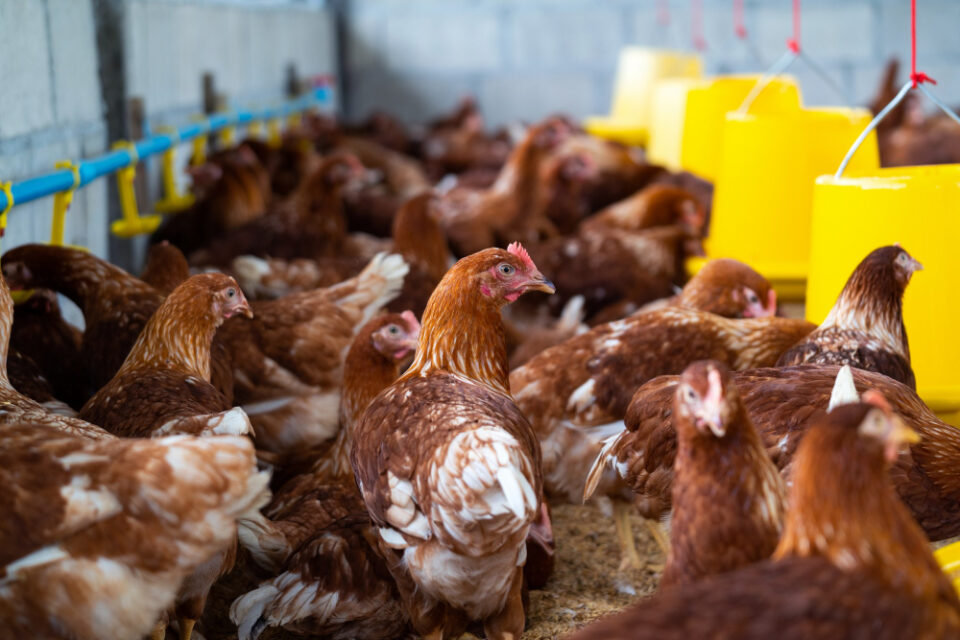
Researchers have achieved a noteworthy reduction of bacteria in chickens by incorporating biochar into their feed at a free-range farm in Denmark. This development marks a significant advancement in food manufacturing practices aimed at enhancing public health.
While numerous laboratory studies have demonstrated positive outcomes, replicating these results under real-world farm management conditions has proven challenging. This recent study may bridge that gap.
Brian Lassen, senior researcher at DTU and lead investigator on the SafeChicken project, emphasized the potential impact of reducing bacterial levels in chickens, stating, “Our findings highlight biochar’s potential—particularly for free-range and organic chickens, where controlling bacteria is more challenging than in conventionally raised poultry.”
Exploring Organic Acids in Drinking Water
In addition to biochar, researchers also analyzed the effects of feed and water additives on the free-range chickens, which previously indicated potential in reducing campylobacter under experimental conditions. Notably, trials were conducted three times at the same location.
A substantial 76% reduction in campylobacter was observed in chickens during trials conducted at 36 months of age, which is half of the breed’s slaughter age. However, this beneficial effect waned by the slaughter age three weeks later, suggesting that the application of organic acids may require further optimization beyond the experimental setup.
Lassen explained, “The best results came from using biochar, which is made from organic waste material, such as wood, transformed into biochar through pyrolysis. In addition to reducing campylobacter, biochar can help lower CO2 emissions and has the potential for becoming part of a circular economy.” This study underscores biochar’s viability in organic chicken production.
PhD student Cristina Calvo-Fernandez, involved in the project for her doctoral research, remarked, “We demonstrate that it’s possible to significantly reduce campylobacter in free-range chickens slaughtered at two months of age without finding adverse effects on their health.”
A Boost for Free-Range Chickens
“This is significant for production systems where chickens have access to outdoor areas, which typically increases their exposure to campylobacter from the environment.” Given that chickens are natural carriers of campylobacter, it is crucial to manage infection risks, as human consumption of contaminated meat can lead to serious gastrointestinal illnesses.
The SafeChicken project is set to continue its investigations until autumn 2025, aiming to explore additional strategies to combat campylobacter, including interventions at slaughterhouses. Furthermore, researchers will delve into the reasons behind biochar’s effectiveness in reducing campylobacter levels in chickens.
Calvo-Fernandez concluded, “We are currently studying how biochar affects the families of bacteria in the chicken gut microbiome. Campylobacter is a naturally present bacterium in the chicken’s gut microbiome, and understanding just how biochar affects the chicken’s microbiome and reduces campylobacter is essential.”
Meanwhile, a shake-up to livestock feed controls has the potential to enhance food security and improve competitiveness with the EU, as highlighted by the Foodchain & Biomass Renewable Association.