

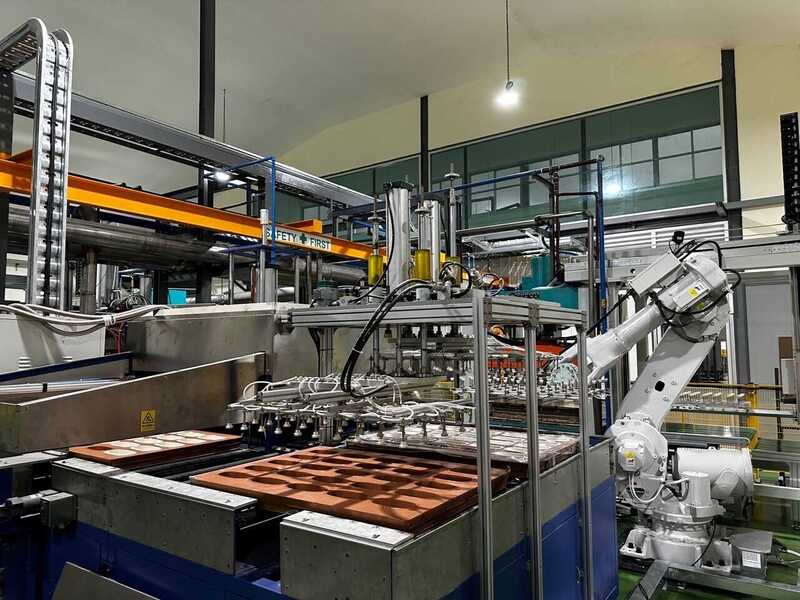
deSter, a leading provider in the travel and foodservice markets, is taking a proactive approach towards sustainability by introducing wet moulded fibre products. This venture involves the operation of three forming machines at their Prachinburi plant in Thailand, an important investment that is part of a multimillion-dollar expansion project announced last year.
Wet moulded fibre, also referred to as moulded pulp or moulded cellulose, is an eco-friendly packaging alternative to traditional materials like plastic, foam, or polystyrene. deSter uses a combination of bagasse, a byproduct of sugarcane, and water in the fabrication process. This sustainable solution is gaining popularity due to its versatility in applications, ranging from delicate electronics protection to food trays, egg cartons, beverage carriers, and tableware.
The manufacturing process consists of various stages that contribute to the durability, shape, and environmental friendliness of the final product. The utilization of agricultural waste, such as sugarcane bagasse or recycled paper, reduces the demand for virgin materials. Furthermore, wet moulded fibre is recyclable, biodegradable, and compostable. Its adaptability allows for shaping into different forms and sizes, catering to diverse customer requirements.
Notably, deSter’s wet moulded fibre product line in Thailand includes the Ridge bowls and lids, meat trays for Ikon, as well as salad bowls with lids and casseroles crafted for Delta Airlines’ Economy Class. These offerings exemplify deSter’s commitment to environmental stewardship and sustainability.

