Following international negotiations involving the Department for Business and Trade and the Department for Environment, Food, and Rural Affairs, significant changes have been made regarding dairy exports to Egypt.
Initially set to take effect in January 2026, the UK Government’s decision to forgo implementing this trade barrier is projected to create £250 million in additional export opportunities for farmers over the next five years.
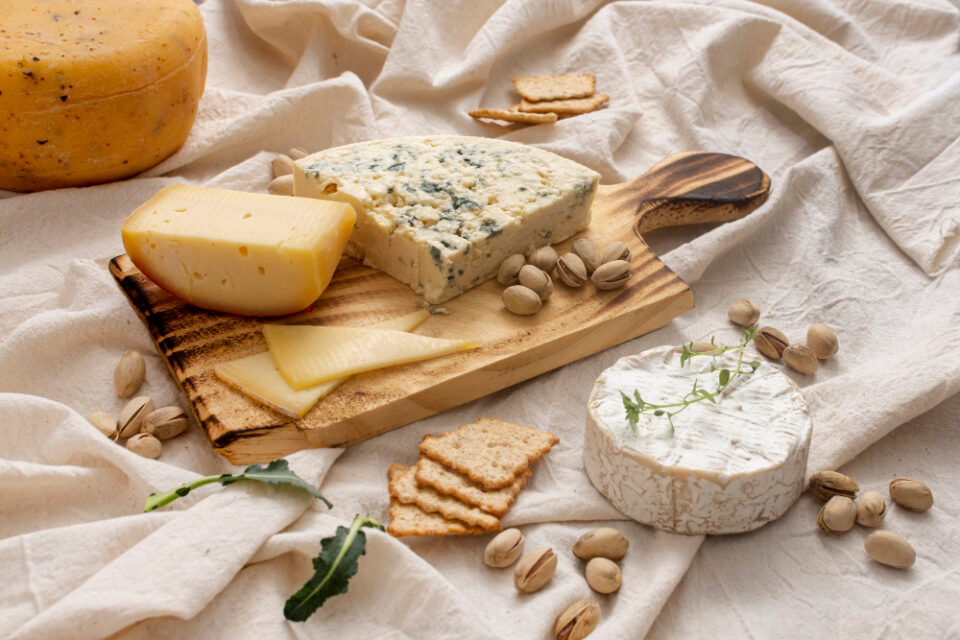
As a result of this change, British cheese and butter can now reach Egyptian markets more easily and affordably. In 2024, the UK exported approximately £26 million worth of dairy products to Egypt.
“This is a clear win for UK farmers,” stated Minister for Trade Policy Douglas Alexander.
“By opening up the Egyptian market, we’re helping British farmers sell more of their world-class dairy abroad.”
“This is what our Trade Strategy looks like in action: removing barriers, boosting exports, and backing communities across the UK.”
Additionally, Minister for Food Security and Rural Affairs Daniel Zeichner emphasized that the removal of the proposed barrier will cut costs and red tape for exporters while “boosting growth opportunities.”
“This is a key example of the government’s Plan for Change in action, unlocking investment for businesses in the UK,” Zeichner remarked.
Had it been implemented, the barrier would have necessitated halal certification on dairy products, potentially increasing costs by over £1,000 per shipment.
The announcement received positive feedback from Rod Addy, Director General of the Provision Trade Federation, who noted its potential to eliminate a “longstanding trade barrier for UK exporters.”
“The UK is currently among the leading suppliers of dairy products to Egypt, with average annual exports valued at around £26 million in 2024 — driven primarily by powdered milk and cream,” explained Addy.
“Hopefully this change will open growth opportunities for other dairy categories such as cheese and butter, helping to diversify and expand the UK’s export portfolio in this key market, benefiting both UK producers and Egyptian consumers.”