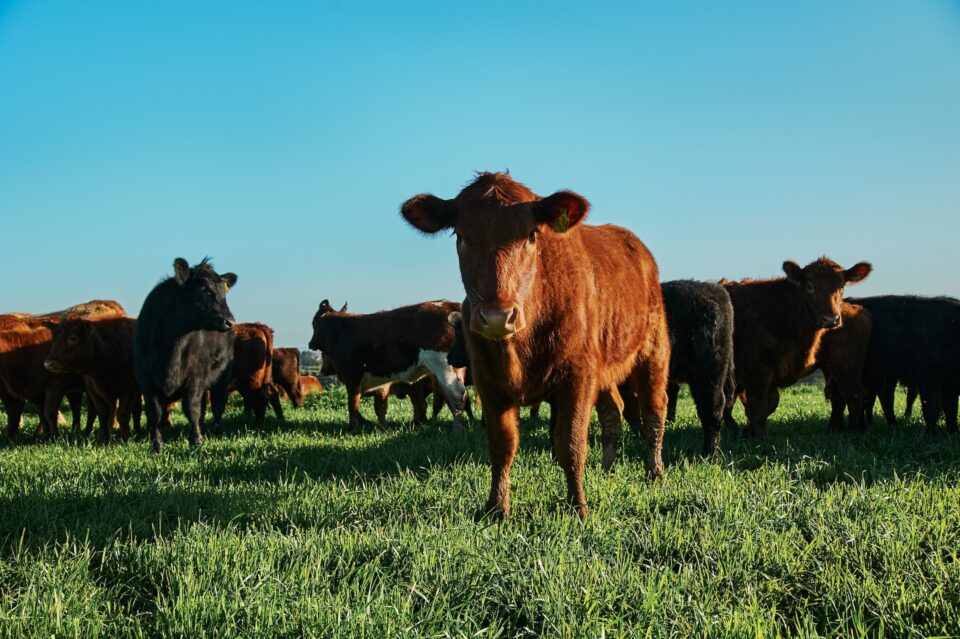
With recent warm and wet weather in the UK, cattle are being exposed to higher worm and fluke risks. This has prompted a warning from an animal health expert to the beef and dairy farming community to carefully plan their parasite control methods. SQP Mark Pass from Beeston Animal Health has observed compromised heifer growth rates due to parasites, particularly in cases where monitoring is lacking. Youngstock in their first grazing season are particularly vulnerable as they haven’t developed immunity to specific worms.
Immediate concern lies with animals that have been protected throughout the summer with long-acting products, which are now running out. These animals are at risk, so they require careful monitoring, grazing on clean pasture, and treatment with the most appropriate product, if necessary, before housing. Delaying treatment until housing could result in costly losses of valuable growth.
Attention should also be given to protecting stock at housing to ensure cattle health, growth, and production are not compromised over winter. Effective control requires proper planning, including identifying the specific parasites on the farm through tests such as bulk milk enzyme-linked immune sorbent assay (ELISA), faecal egg counts, coproantigen tests for fluke, and using abattoir data. Growth rates serve as important indicators for further actions and help monitor the plan’s success.
Once the parasite risks are known, farmers can plan how to manage them by selecting the most appropriate product, considering milk and meat withdrawal times, and opting for products with persistency. When dealing with a mixed worm and fluke burden, a combination product may be worth considering. It’s important to use products at the right time for optimal effectiveness. If a product is used before housing, an additional flukicide may be required after housing to remove all life stages of fluke.
Farmers should remain vigilant for signs of lungworm and treat animals early on. The time between picking up lungworm infection and observing clinical signs like coughing in cattle can be as short as 8 to 10 days. In severe cases, death can occur within a few days. By treating stock for lungworm before housing with a persistent de-worming product, lungworm-associated pneumonia and stress at housing can be reduced.
In the dynamic food and beverage industry, it’s crucial for farmers to stay updated on industry trends, manufacturing advancements, processing technology, distribution strategies, innovations in sustainability, changing regulations, packaging developments, marketing strategies, and evolving consumer trends. Incorporating these factors into their business practices can help foster growth and success.