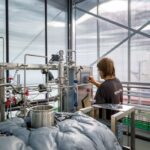
Oterra has joined forces with sustainability intelligence provider HowGood to offer customers product-level carbon information for selected ingredients. The initiative is designed to strengthen Scope 3 emissions reporting and support practical decarbonisation programmes across the value chain.
Connecting operational data with individual products
Through the collaboration, Oterra will create Product Carbon Footprints (PCFs) for selected items in its portfolio. Customers will therefore receive more specific environmental information about the ingredients they purchase.
Oterra already gathers data relating to its facilities and supply chain. The partnership adds an important connection by matching that information with the products delivered to customers. During the initial stage, Oterra will use HowGood’s methodology and sustainability intelligence platform to calculate PCFs for a selected group of products.
More visibility at ingredient level
The arrangement gives food and beverage manufacturers clearer insight into the environmental impact of the ingredients they source from Oterra. They can use this information in their Scope 3 inventories, decarbonisation plans and wider responses to evolving food and beverage industry trends.
Vera Karmeback, Oterra’s head of global sustainability, said the initiative reflects growing demand from customers for more supply chain visibility.
“Our customers are looking for greater transparency across their supply chains in order to reduce carbon emissions and other impacts,” she said. “This partnership with HowGood provides the transparency, data and methodology needed to drive decarbonization in Oterra and our customers.”
The exchange will also benefit Oterra. Access to HowGood’s product carbon footprinting capabilities will help the company evaluate and communicate the environmental performance of its portfolio with greater precision. In turn, this insight can guide further emissions-reduction measures across Oterra’s supply network and support the company’s response to food manufacturing trends, food processing technology developments and growing expectations around food and drink sustainability.
Supporting a broader sustainability programme
The agreement forms part of Oterra’s 2030 Sustainability Strategy, introduced earlier this year. The strategy focuses on three priorities—Nature, Climate and People—and includes goals covering emissions reduction, responsible procurement, ecosystem conservation and employee development.
Collaboration with suppliers, customers and other business partners is central to the programme. Oterra aims to extend sustainability progress beyond its direct operations and work across the value chain to address shared environmental challenges.
“Partnerships are essential if we are to create lasting change,” Karmeback added. “Our sustainability strategy recognises that collaboration across the value chain is critical.”
Rachel Calomeni, HowGood’s SVP of Growth & Innovation, said detailed, product-specific information has become increasingly important for the food sector.
“Granular sustainability metrics are no longer a nice-to-have for food companies – they’re imperative to making meaningful progress in sustainability commitments, improving transparency with suppliers and consumers, and understanding the true environmental impact of their products,” she said.
As food and drink consumer trends, food and drink regulations and food and drink marketing requirements continue to evolve, buyers need environmental figures they can apply directly to their own reporting. Product-level data is increasingly replacing broad supplier commitments, giving manufacturers a stronger foundation for Scope 3 calculations. For companies also assessing food and drink packaging, distribution emissions and food distribution trends, a colour supplier that provides verified footprint information removes one more area that would otherwise rely on estimates.
The development reflects the wider movement toward food and drink industry innovation, where transparent measurement supports more informed purchasing, credible sustainability claims and faster progress throughout the supply chain.