Despite a notable decline in plant-based milk sales, which experienced a 4.4% drop in 2025 to $2.9 billion compared to 2023, there is optimism for this segment, as highlighted by Helge Weitz, president of Oatly North America.
As a science-driven company, Oatly perceives food as a crucial asset for fostering health and sustainability, according to Weitz. This perspective positions them to tackle challenges within the food and beverage industry trends.
To enhance sales, Weitz emphasizes the importance of ingredient technology that resolves taste and texture issues, as well as consumer education on processed foods, aligning with evolving food manufacturing trends.
Demystifying Processed Foods
To highlight the safety and significance of certain processed foods, Oatly launched ‘A Small Nutrition Book from Oatly.’ This initiative aims to clarify hot topics such as seed oils and food processing, reinforcing that these terms can actually benefit human health by offering vitamin and mineral fortification.
Weitz further comments, “The good thing with plant-based products, especially when we think about taste – but also health – is that there is no limit. Cow’s milk will stay cow’s milk, but plant-based products, our products can always improve and become better.”
Coffee Industry Collaborations
Oatly’s collaboration with the coffee sector, supported by a team of 60 baristas, led to the creation of the Oatmilk Barista Edition. Weitz describes it as “the most visible and most popular product within plant-based dairy all over the world.”
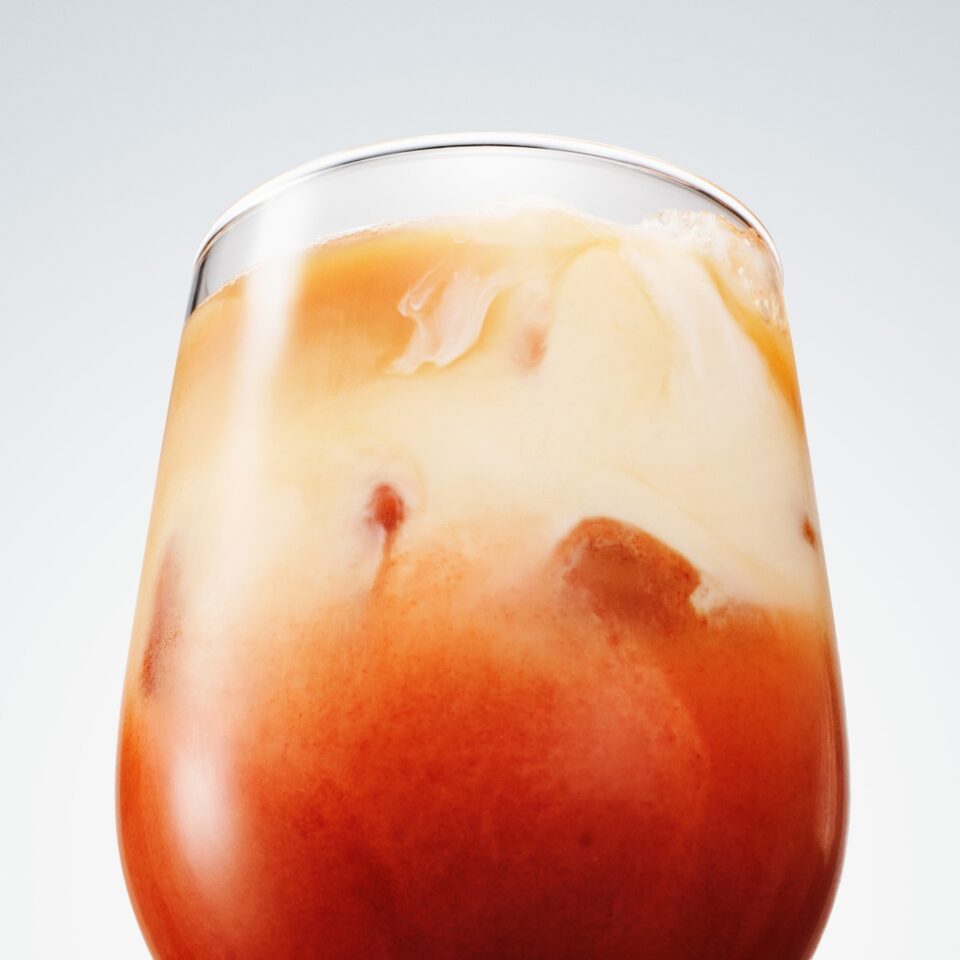
This partnership allows Oatly to align with current consumer interests in cold brew and coffee beverages, creating a potential avenue for growth. Weitz asserts, “Our Barista Edition tastes better in coffee than cow’s milk, but maybe in two, three, four years, we can improve it even more and make it an even better taste experience so that maybe cow’s milk doesn’t need to be an option at all anymore.”
Competitive Pricing Strategy
Oatly’s pricing is strategically set to be slightly lower than premium fortified dairy milks. A 32-ounce container of Oatly Oatmilk Barista Edition retails between $4.99 at Target and $5.79 on Instacart. In contrast, a half-gallon of Horizon Organic’s Whole Milk with DHA Omega-3 costs between $5.59 on Amazon and $6.59 at Target.
Weitz points out that consumers are generally willing to spend more on premium products like Oatly. While the category faces challenges, such as inflation and changing consumer perceptions of plant-based taste and texture, he believes this remains a “very young category” and presents opportunities for continued innovation.
Commitment to Climate Solutions
Recently, Oatly was recognized as a Climate Solutions Company by the Exponential Roadmap Initiative (ERI), becoming the only food brand on the list among giants like Apple and Netflix.
Participation in ERI focuses on reducing greenhouse gas (GHGs) emissions across Scopes 1, 2, and 3. Additionally, Oatly is piloting a new initiative called Spheres of Influence, dedicated to setting targets and reporting on impacts beyond its immediate value chain, aiming for a “societal net zero.”