The food and beverage industry is constantly evolving, driven by innovation and consumer demands. Software and hardware advancements are at the forefront of this transformation, streamlining processes, enhancing security, and ensuring food safety. This article explores the latest trends, from cloud computing and big data to automation and blockchain, showcasing how these advancements empower food and beverage companies to operate more efficiently, securely, and competitively.
The food and beverage industry is a dynamic landscape, constantly adapting to meet consumer demands and navigate market shifts. Rising demand for fresh, high-quality products year-round, coupled with a focus on sustainable practices, puts pressure on manufacturers to optimize production while minimizing environmental impact. Adding to this complexity is the ever-present need to control costs and maximize productivity.
Traditional approaches to factory design, with a focus on standardized equipment and inflexible layouts, are no longer sufficient. This is where “flexible engineering” emerges as a critical solution. Flexible engineering moves beyond simply installing new machines. It’s a collaborative approach where engineers work closely with food manufacturers to design and build equipment and facilities that are specifically tailored to their unique needs. This could involve customizing mixing equipment to meet specific production requirements or designing modular processing lines that can be easily reconfigured for different products.
The Rise of Automation: A Partner, Not a Replacement
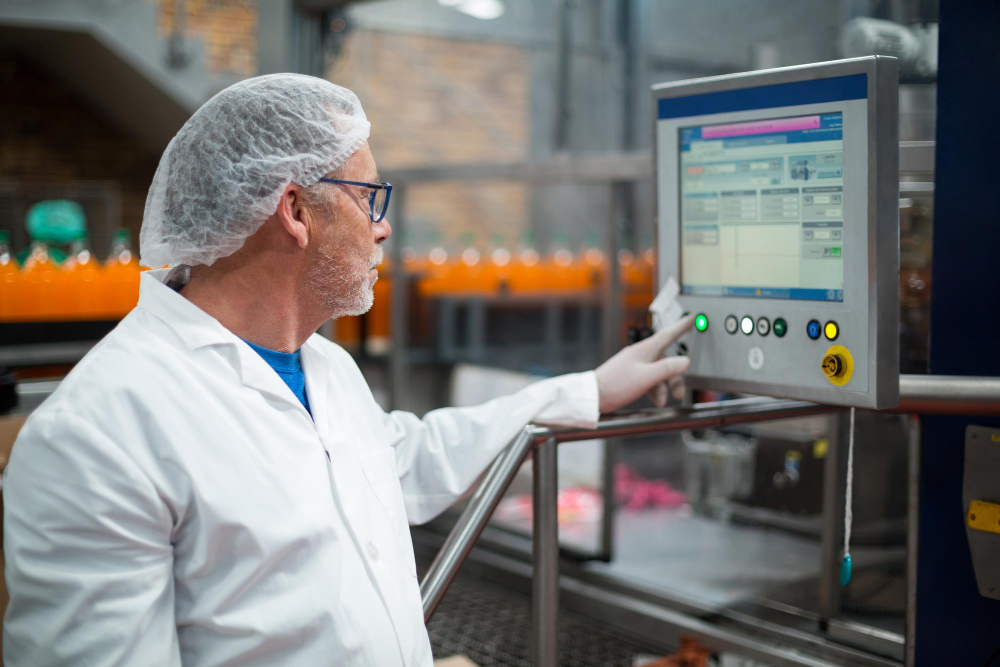
Automation has been a major topic of discussion in the food and beverage industry for years, and the COVID-19 pandemic has only amplified this conversation. With labor shortages impacting production and increased hygiene requirements, many manufacturers are turning to automation as a labor-saving solution. Robots, for example, offer several advantages: they can perform repetitive tasks consistently, don’t require sick leave, and are increasingly equipped with advanced vision systems that allow for safe collaboration with human workers.
However, it’s important to recognize that automation is not a one-size-fits-all solution. A complete end-to-end automated system is often cost-prohibitive for many manufacturers. The most effective approach often involves a hybrid system where humans and robots work together, leveraging each other’s strengths. Determining which aspects of a production line should be automated depends on the specific product being manufactured and the manufacturer’s current level of automation. For those with limited automation, focusing on solutions that offer quick implementation and high returns can be a good starting point.
The Power of Data: Optimizing Processes with Sensors and IoT
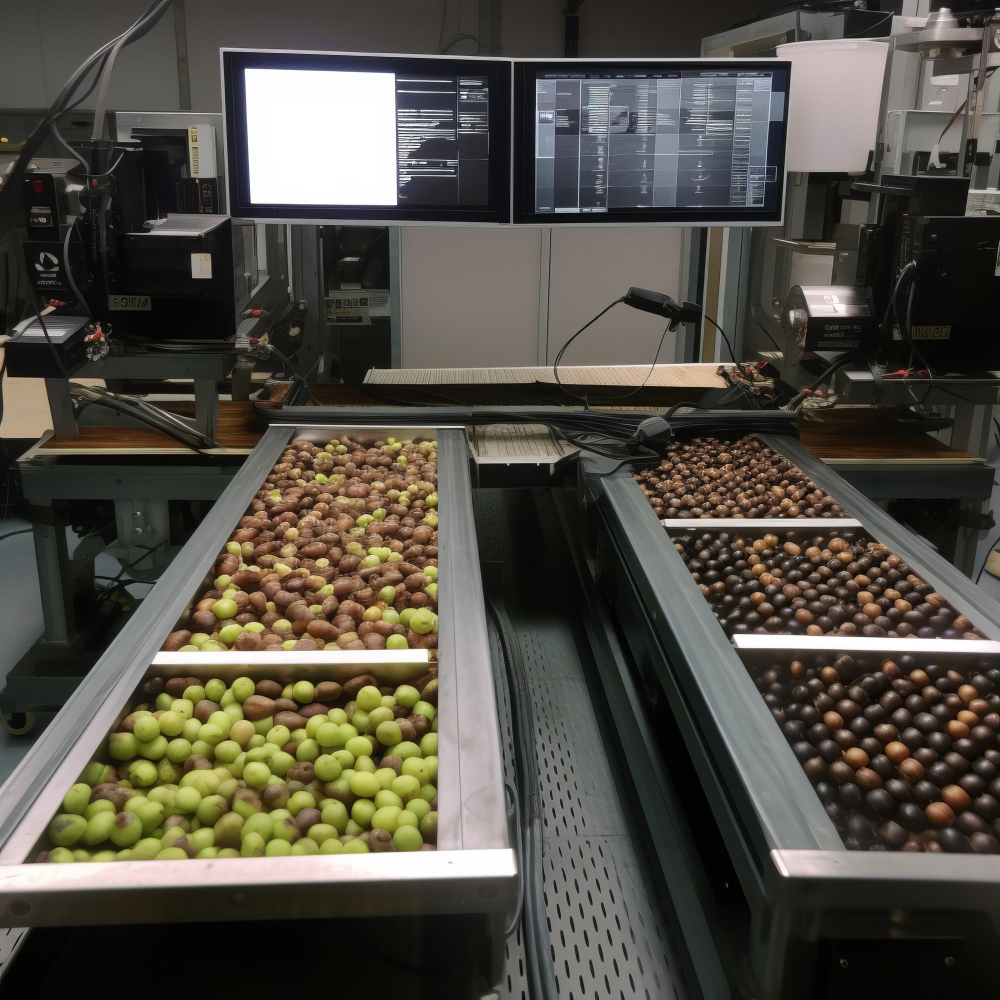
Flexible engineering is not just about physical equipment. It also involves harnessing the power of data to optimize processes. The increasing adoption of cloud-connected sensors and IoT-enabled machinery is a game-changer for food production. By integrating real-time data from sensors and analytics platforms, manufacturers can gain a deeper understanding of their machinery and production processes. This data can be used to identify inefficiencies, predict equipment failures, and optimize production parameters for improved yield, reduced waste, and higher productivity.
For example, sensors can be used to monitor equipment health, allowing for predictive maintenance and preventing costly downtime. Machine learning algorithms can analyze data and identify trends that might indicate a potential problem, allowing for early intervention. Additionally, software tools can help plant engineers analyze process data, identify areas for improvement, and gain valuable insights to optimize production.
Engineering a Remote Future: Adapting to Changing Collaboration Models
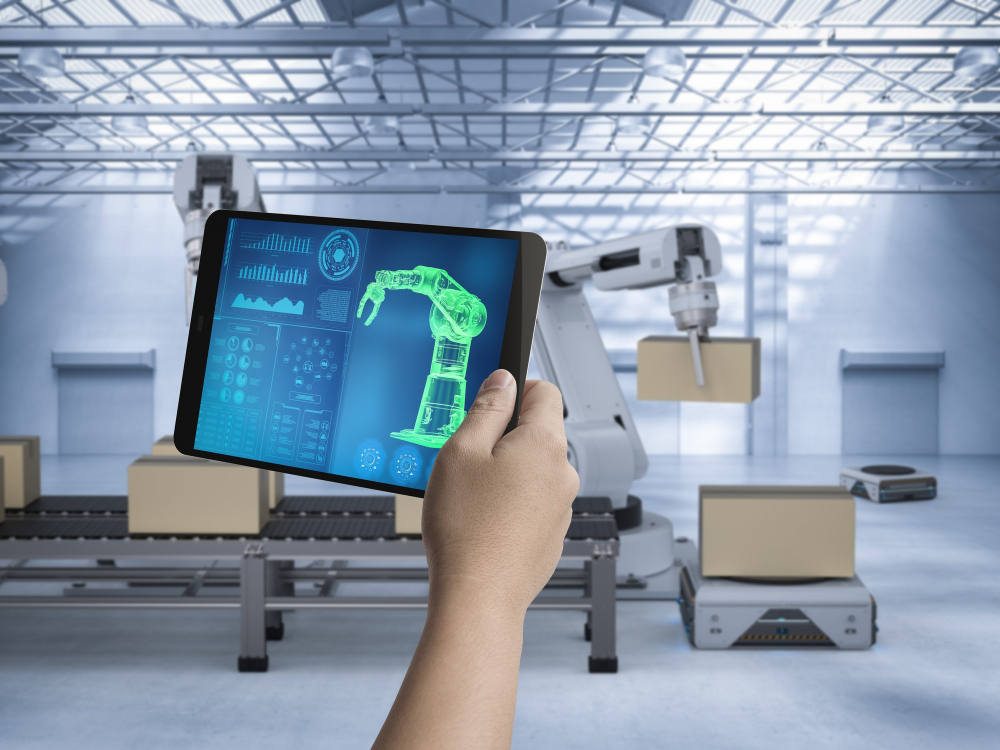
The COVID-19 pandemic has not only impacted food production itself, but it has also fundamentally changed the way engineers interact with food companies. With travel restrictions and social distancing guidelines in place, remote design, engineering, and testing have become essential for keeping production lines running smoothly. Food manufacturers and engineers have embraced virtual technologies such as remote factory acceptance tests, video demonstrations, and augmented reality tools that allow for collaboration even when physical presence is not possible.
While remote collaboration offers significant benefits, the importance of traditional on-site expertise should not be discounted. The most successful projects often involve a combination of local engineers who understand the specific needs of the facility and digitally-present engineers who can provide expertise and support remotely.
Investing in the Future: Considerations for Flexible Engineering Solutions
When considering flexible engineering solutions, it’s crucial to carefully evaluate the total cost of ownership (TCO). This goes beyond simply looking at the initial equipment cost and encompasses a wider range of factors that impact the long-term financial viability of the investment. Here are some key considerations:
Initial Equipment Cost: While not the only factor, the upfront cost of the equipment is an important consideration. However, it’s crucial to avoid solely focusing on the lowest price tag. Higher quality equipment may command a premium upfront, but it can offer significant cost savings in the long run through factors like durability, reliability, and lower maintenance costs.
Ongoing Maintenance and Sanitation: Flexible solutions often require specialized cleaning procedures to maintain hygiene standards. Factor in the cost of cleaning supplies, labor for cleaning, and any additional equipment needed for proper sanitation.
Service and Spare Parts Costs: Evaluate the availability and cost of service technicians and spare parts. Easy access to reliable service and readily available spare parts minimizes downtime in case of equipment failures.
Equipment Performance and Impact on Labor Needs: Analyze how the equipment will impact production efficiency and labor requirements. Will it increase output and reduce labor needs? Conversely, might it require additional training for staff to operate effectively? Quantify the potential cost savings or increased labor costs associated with the solution.
Scalability and Flexibility: Consider the future growth plans of the company. Can the chosen solution be easily scaled up or down to accommodate changing production demands? The ability to adapt the equipment or layout to accommodate new products or production lines is a key benefit of flexible engineering solutions.
Return on Investment (ROI): Evaluate the projected ROI for the chosen solution. Consider factors like increased productivity, reduced waste, and improved product quality when calculating the potential return on investment.
Beyond the Factory Walls: The Expanding Role of Flexible Engineering
The impact of flexible engineering extends beyond the physical boundaries of food production facilities. This approach fosters a culture of continuous improvement that permeates the entire supply chain. For example, engineers can collaborate with farmers to develop innovative solutions for handling and transporting raw materials, minimizing spoilage and ensuring product freshness. Similarly, partnerships can be established with packaging manufacturers to design sustainable and efficient packaging solutions that align with consumer preferences and environmental goals.
By fostering collaboration throughout the supply chain, flexible engineering can create a more efficient and sustainable food system overall. This collaborative approach can help to reduce food waste, optimize resource utilization, and create a more transparent and traceable food production process for consumers.
Investing in People: The Human Element of Flexible Engineering
While automation and digitalization are revolutionizing the food and beverage industry, it’s important to remember that the human element remains essential. Successful implementation of flexible engineering solutions requires a skilled workforce that can adapt to new technologies and processes. Investing in employee training and development is crucial to ensure that workers have the necessary skills to operate and maintain advanced equipment, analyze data, and make informed decisions.
Furthermore, a strong company culture that values collaboration and innovation is essential. Flexible engineering thrives on open communication and a willingness to explore new ideas. By fostering a culture that empowers employees and encourages continuous learning, food manufacturers can create an environment where flexible engineering can truly flourish.
- Risk of downtime: Analyze the expected downtime associated with potential solutions and the associated costs of lost production.
- Quality of equipment: Invest in reliable and well-built equipment with a proven track record for performance and durability.
- Life expectancy: Consider the long-term viability of the solution and how well it can adapt to future needs and production changes.
A Collaborative Path Forward
The food and beverage industry faces exciting challenges and opportunities. By embracing flexible engineering principles, manufacturers can unlock a future of adaptability, efficiency, and sustainability. This approach requires a collaborative spirit, with close communication and partnership between food producers and equipment builders. By harnessing the power of automation, data analytics, and innovative technologies, the food industry can build smarter factories that deliver high-quality products while meeting evolving consumer demands and environmental concerns. This collaborative approach, built on flexibility and a shared vision for the future, will pave the way for a thriving and sustainable food production landscape.
Conclusion
By embracing cutting-edge software and hardware advancements, food and beverage companies can achieve a significant competitive advantage. Cloud computing, big data, automation, and blockchain all hold immense potential to reshape the industry. As AI, digital twins, and robust cybersecurity measures are integrated, the future promises even greater efficiency, enhanced safety, and complete transparency within the food and beverage supply chain. Continuous innovation in software and hardware will be the driving force behind a more sustainable, secure, and consumer-centric food and beverage industry.