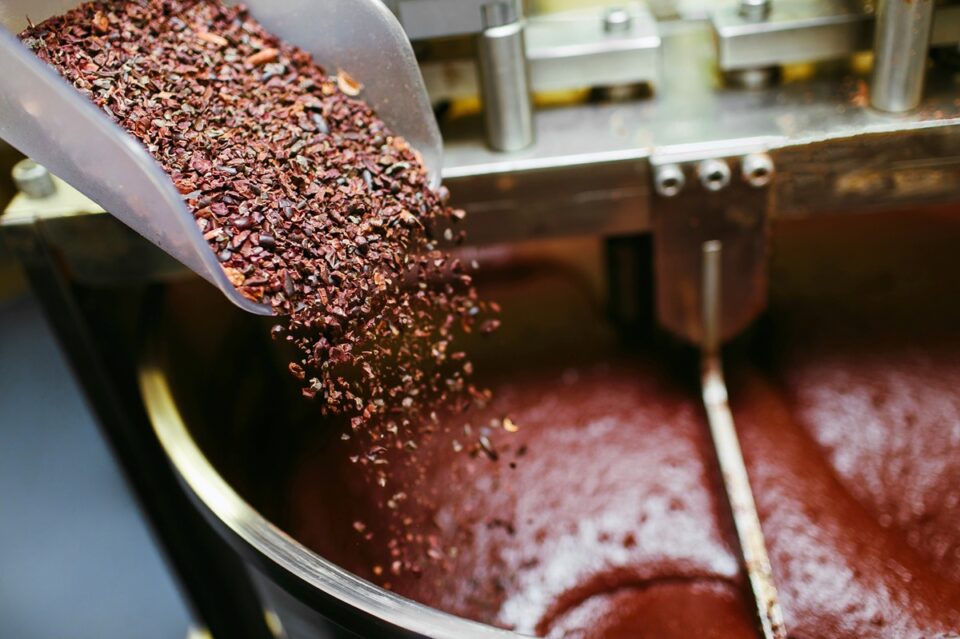
Industry Insight: The biggest change in mixing and blending is not a single new mixer design. It is the amount of uncertainty the process is now expected to absorb. Manufacturers are reformulating products, handling more functional powders and proteins, producing more SKUs and asking the same line to switch between recipes faster. At the same time, raw materials can vary from one delivery to the next while quality tolerances become harder, not easier, to meet. That turns the mixer into more than a vessel with an agitator. It becomes a process-control point where viscosity, shear, temperature, powder hydration, air incorporation and ingredient distribution can be measured and adjusted before variation becomes waste, rework or a customer complaint. For investment decisions, the question is changing from “How much can it mix?” to “How reliably can it hit the target when the recipe, ingredients and production schedule keep changing?”
Recipe reformulation, variable ingredients, shorter production runs and tighter quality tolerances are changing what processors need from mixing equipment. The next generation of systems is being judged not simply on whether it can create a uniform blend, but on how quickly it can detect change, correct the process and prove the result.
The Recipe Keeps Moving: Reformulation Changes the Mechanical Process
Reformulation is becoming one of the strongest forces shaping mixing technology.
The UK restrictions on advertising less healthy food and drink products are already in force, adding commercial pressure on brands to reconsider levels of fat, salt and sugar. But changing a nutritional profile is rarely a matter of removing one ingredient and adding another. Sugar contributes solids, bulk and viscosity. Fat affects lubrication, mouthfeel and heat transfer. Salt can influence protein behaviour and water binding. Fibre, starches, gums and proteins introduced to restore texture can alter hydration time, shear sensitivity and ingredient sequencing.
A recipe that works in the laboratory can therefore behave very differently at industrial scale.
The same challenge is visible in plant-based foods, functional beverages and high-protein products. Protein powders can be difficult to disperse without agglomeration. Hydrocolloids may form “fish-eyes” if the outer surface hydrates before the centre is wetted. Fortification ingredients may be required at low inclusion rates but still need extremely even distribution, while some botanicals and nutritional compounds are sensitive to temperature or prolonged shear.
This is why mixer selection is moving beyond horsepower and vessel capacity. Manufacturers need to understand the process window: how much shear a formulation requires, how quickly powders must be incorporated, how temperature changes during mixing, where air enters the product and what happens as viscosity rises.
High-shear mixing, rotor-stator systems, powder induction, vacuum processing and controlled liquid dosing each solve different problems. Vacuum-assisted mixing can limit entrained air in sauces, dressings and emulsions where aeration affects texture, oxidation, filling accuracy or appearance. High-shear powder induction can accelerate wetting and dispersion of difficult powders, reducing the temptation to compensate for poor incorporation simply by extending batch time.
The result is a more disciplined approach to scale-up. The question is no longer whether a mixer can physically handle a recipe, but whether it can reproduce the required rheology, particle distribution and sensory properties across raw-material variation and changing production conditions.
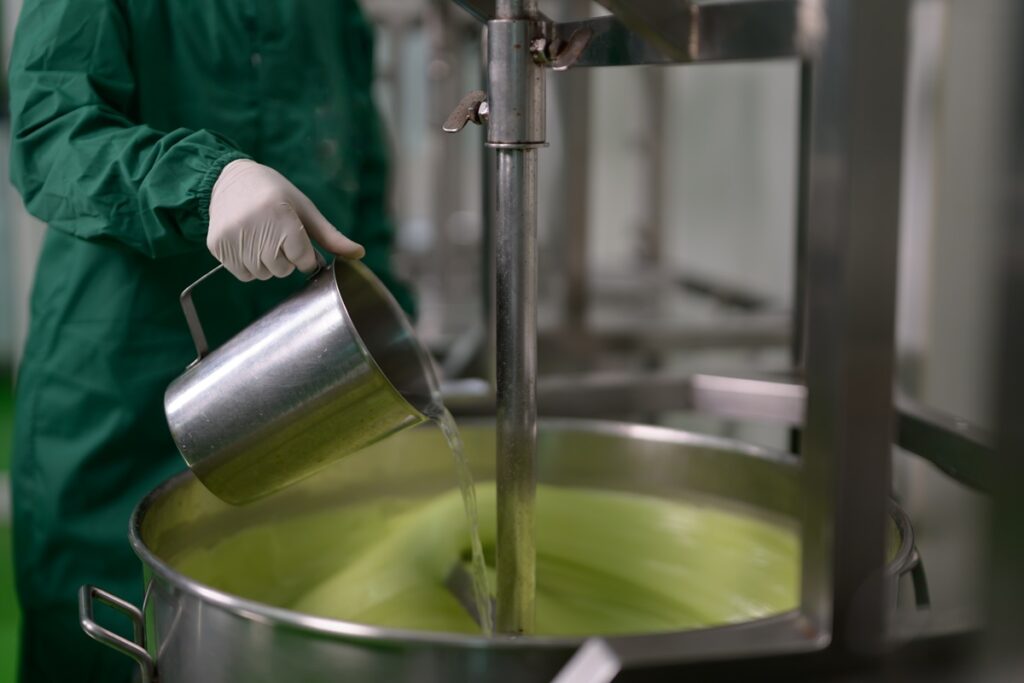
Stop Mixing to a Clock: Real-Time Measurement Moves into the Process
Many mixing operations still rely on fixed recipes: run at a set speed for a set time, at a set temperature, then discharge.
That works when ingredients are consistent. It becomes less reliable when they are not.
A more useful measure of completion is the condition of the product itself. That is driving interest in real-time process analytical technology, including in-line viscosity measurement, torque and motor-load monitoring, temperature, density, conductivity, pH, flow and increasingly optical or acoustic sensing.
If a sauce reaches its required viscosity after nine minutes, there is little value in mixing it for twelve simply because the recipe says so. Equally, if ingredient variation means the product is still outside specification at twelve minutes, stopping on time does not make the batch correct.
Closed-loop control allows the system to respond to what is actually happening. Torque or power consumption can indicate changes in product resistance. In-line viscometers can identify developing texture without waiting for a laboratory sample. Near-infrared spectroscopy is being explored for composition and blend uniformity, while newer non-invasive acoustic and ultrasound techniques are showing potential for tracking rheological changes in complex food streams.
This is also where artificial intelligence becomes more useful than the generic promise of an “AI-powered mixer”. The practical opportunity is to combine several process signals and understand the relationship between them.
A rise in motor load might be normal if viscosity is increasing as expected. The same rise combined with an abnormal temperature curve or dosing deviation could indicate a developing problem. Historical batch data can then help establish a narrower process envelope and identify when production is drifting before a final quality check fails.
For manufacturers, the ROI is not necessarily autonomous production. It is earlier intervention, fewer borderline batches, less rework, more consistent scale-up and stronger evidence of process control. Changes in vibration, power draw, bearing temperature or drive behaviour can also support predictive maintenance.
The real step forward is not digitising a timer. It is moving from recipe execution to process verification.
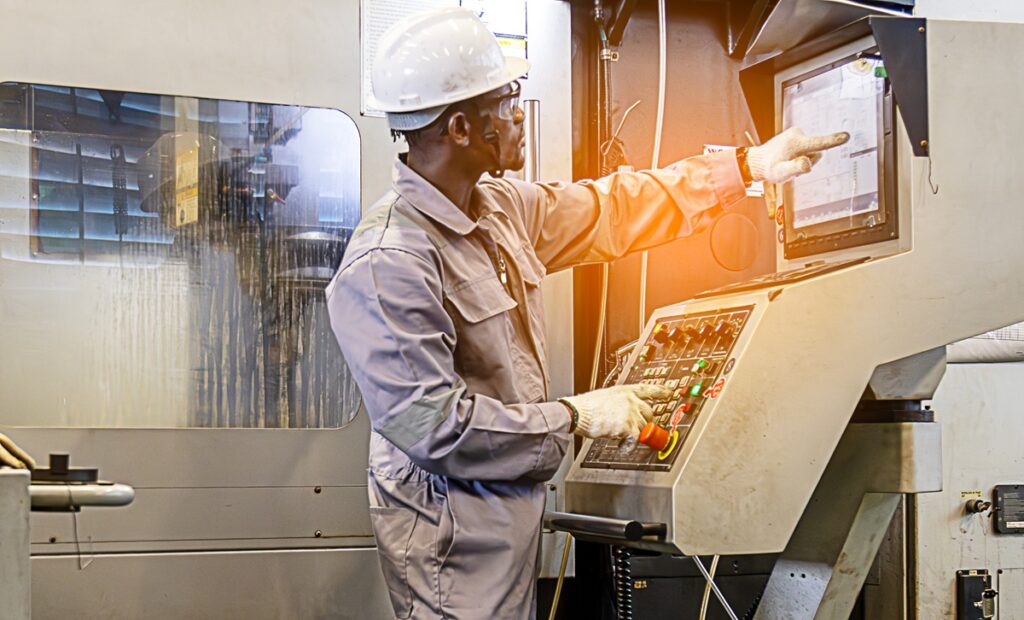
Batch Is No Longer Automatic: Continuous and Hybrid Mixing Gain Ground
Batch mixing remains the right answer for many operations, especially where recipes change frequently, inclusions are delicate or production volumes do not justify a continuous line. But it is no longer the automatic starting point.
Continuous mixing is gaining attention in high-throughput applications including bakery, confectionery, powders, nutritional products and some plant-based foods. Ingredients are continuously metered into a controlled mixing zone, with residence time, dosing accuracy and specific energy input replacing batch time as critical variables.
The attractions are clear. Continuous systems can remove waiting and handling between batches, reduce work-in-progress, integrate with upstream dosing and downstream forming or filling, and produce a consistent stream rather than a succession of individual batches.
However, continuous does not automatically mean better. Accurate feeding becomes critical. A dosing error can continue until it is detected. Start-up and shutdown material has to be controlled, traceability boundaries understood and recipe transitions managed through the system.
For manufacturers running many low-volume SKUs, a modern batch plant may therefore deliver better real-world flexibility.
The more interesting development is hybrid thinking. In-line high-shear mixers can be inserted into recirculation or transfer loops to perform a specific dispersion or emulsification duty without replacing the main vessel. Continuous pre-blending can feed a batch process. Automated powder and liquid dosing can remove manual additions while retaining batch flexibility.
This matters because many processors do not need an entirely new mixing room. They need to remove one constraint: slow powder incorporation, inconsistent premixing, excessive aeration, poor emulsification or a bottleneck between existing stages.
Targeting that constraint can make investment easier to justify than replacing a functioning asset simply because a newer mixer is available.
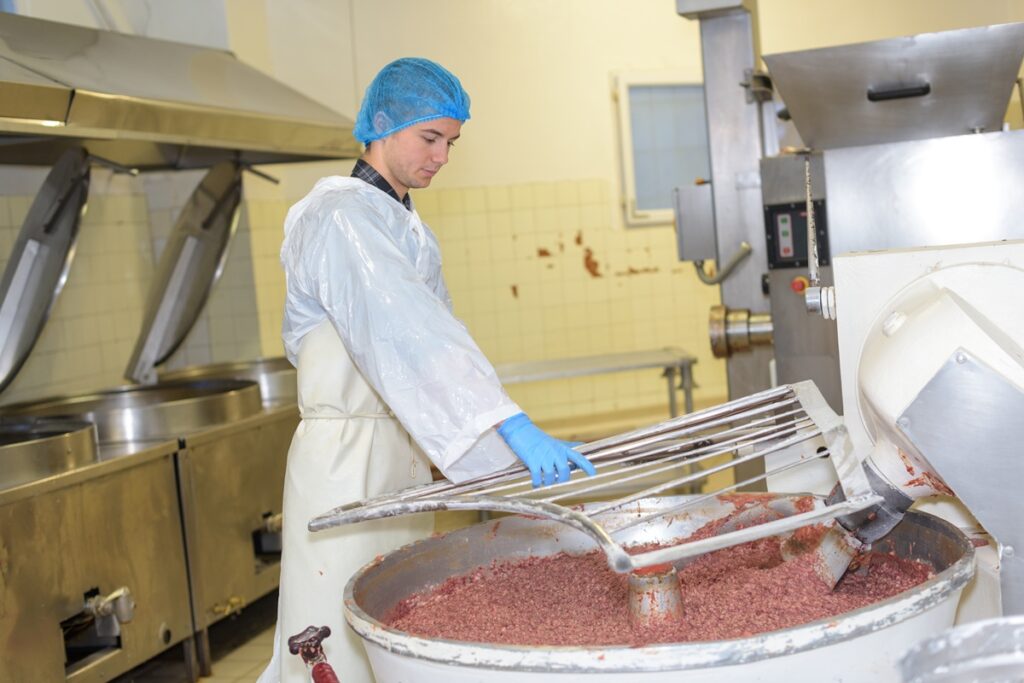
Flexibility Is the New Capacity: Hygiene, Changeovers and Whole-Life ROI
The traditional capacity calculation is kilograms or litres per hour. Increasingly, that is incomplete.
A mixer capable of very high throughput but requiring a lengthy strip-down between allergen-containing recipes may deliver less sellable output than a smaller system that can change product quickly and predictably. The same is true where cleaning verification, manual ingredient handling or recipe set-up creates long gaps between productive runs.
As SKU counts increase, flexibility becomes a form of capacity.
That places renewed emphasis on hygienic design. Smooth product-contact surfaces, drainability, accessible seals, elimination of dead spaces and hygienically designed valves and instrumentation can reduce the places in which residues remain after cleaning. For wet processes, well-engineered clean-in-place systems can make changeovers more repeatable. For dry blending, easy access and validated dry-cleaning procedures may matter more than adding automation to the mixer itself.
Allergen management raises the stakes further. Manufacturers need confidence not only that a mixer can be cleaned, but that the cleaning method is repeatable and verifiable. Equipment geometry, seals, shafts, discharge arrangements and sampling points all affect that outcome.
Instrumentation has to be designed into this hygienic picture. Every sensor added to a process creates another potential product-contact interface, so better data must be matched by cleanable installation.
For companies exporting machinery into the EU or operating European sites, there is also a regulatory deadline approaching. The EU Machinery Regulation becomes generally applicable from 20 January 2027, replacing the Machinery Directive for machinery placed on the EU market from that point. For increasingly connected equipment, software and safety-related control systems are becoming part of machinery compliance rather than a separate IT conversation.
The investment case is changing in the UK too. The Industrial Energy Transformation Fund is closed to new applications and the Government has said no successor fund is planned. New equipment therefore needs to justify itself more clearly through operating performance.
A credible business case should look beyond nameplate throughput and include product loss, rework, cleaning time, water and heat, operator intervention, maintenance hours, allergen changeovers, yield, giveaway and the cost of an off-specification batch.
In many plants, the best mixing project will not be the one with the fastest impeller. It will be the one that gives production back the most usable hours.
The Mixer Becomes a Decision Engine: From Uniformity to Process Intelligence
The next generation of mixing and blending will not be defined by one technology. Batch systems will remain, continuous systems will expand where the economics suit them, and high-shear and vacuum technologies will continue to solve complex formulation problems.
The common direction is towards a process that can explain itself.
Manufacturers increasingly want to know not just that a batch passed, but how it reached specification; whether the raw materials behaved normally; whether the product took longer to hydrate; whether energy use changed; whether cleaning performed as intended; and whether the process is drifting before the next batch fails.
For engineering teams, that means treating mixing data as production data rather than information trapped inside an individual machine. For product developers, it creates a stronger bridge between pilot-scale formulation and full-scale manufacture. For operations teams, it offers tighter control without constant manual adjustment.
And for senior decision-makers, it changes the return-on-investment calculation.
A mixer is no longer valuable simply because it can combine ingredients. Its value increasingly lies in how well it protects yield, absorbs raw-material variation, shortens changeovers, supports reformulation and keeps production inside specification.
In a market where the recipe itself is becoming a moving target, that ability may prove more valuable than capacity alone.
What is the difference between mixing and blending in food processing?
Mixing generally refers to combining ingredients to create a uniform product and can include liquids, solids or multiphase formulations. Blending is often used for gentler combination of powders or particulates where ingredient distribution is the main objective. In practice, the terms overlap and equipment selection depends more on shear, viscosity, particle characteristics and the required end product than on terminology.
How can smart mixing systems improve product consistency?
Smart systems use process data such as torque, temperature, viscosity, flow, density or dosing accuracy to show how the product is developing during the mix. Instead of relying only on fixed time and speed settings, manufacturers can detect deviations earlier and adjust the process before a batch moves outside specification.
When is continuous mixing better than batch mixing?
Continuous mixing can be attractive for high-throughput, relatively stable products where accurate ingredient feeding and steady downstream demand can be maintained. Batch systems remain well suited to frequent recipe changes, lower volumes and processes requiring greater campaign flexibility. Many plants use hybrid systems combining batch vessels with continuous dosing or in-line mixing.
Why is reformulation making mixing more difficult?
Reducing sugar, fat or salt, or adding proteins, fibres, starches and hydrocolloids, can change viscosity, hydration, shear response, heat transfer and mouthfeel. A nutritionally improved recipe may therefore require a different mixing sequence, shear profile, temperature or powder incorporation method to reproduce the original product quality.
What should manufacturers measure when calculating mixer ROI?
Throughput is only one measure. A stronger ROI calculation includes yield, product loss, off-specification batches, rework, cleaning and allergen changeover time, energy and water use, labour, maintenance, ingredient giveaway and overall line availability. In flexible plants, the number of productive hours recovered between recipes can be as important as maximum hourly capacity.