

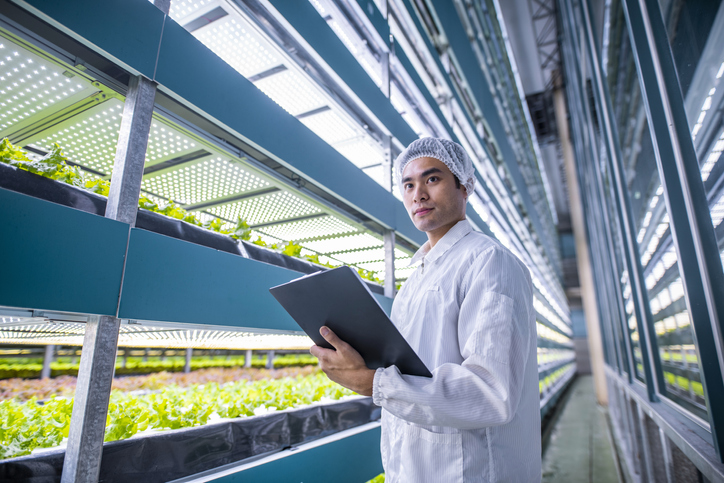
Indoor farming initially gained the attention of venture capital firms due to its potential for improved sustainability, shorter supply chains, year-round availability of fresh produce, and the allure of patentable technology. However, the industry faced obstacles such as high operating costs, concerns about energy use, and consumer resistance to high prices. This led to worry within the sector, particularly after industry pioneer AeroFarms filed for Chapter 11 relief in June, followed by AppHarvest in July.
After three months, AeroFarms has successfully completed its restructuring process and is emerging from Chapter 11. This positive development, coupled with news of a licensing deal between indoor leafy green grower BrightFarm and indoor spinach grower Element Farms, has the potential to sway public and investor perceptions of the industry. Nonetheless, the recent approval for AppHarvest to proceed with liquidation casts a shadow over the sector.
AeroFarms’ exit from Chapter 11 was made possible with the support of existing investors, led by Grosvenor Food and AgTech. This allows the company to enter a “new chapter” of growth and maturity. The restructuring has significantly strengthened AeroFarms’ balance sheet, providing the necessary funds to achieve profitability at its flagship operation in Danville, VA. The company’s focus will be on the ramping up of the Danville Farm, including recent automation projects, with the goal of reaching profitability early next year. To aid in this ambitious endeavor, industry veteran Molly Montgomery, a venture partner with GFA, will assume the role of acting CEO and executive chairperson. Montgomery brings valuable experience from her time as CEO of Landec Corp and the fresh protein business CMM.
In contrast, AppHarvest’s path has taken a different turn. The Kentucky-based greenhouse company filed for bankruptcy after AeroFarms but intended to sell its farms to investors while minimizing disruption to employees. However, a Texas bankruptcy judge recently approved the company’s plan for immediate liquidation, with assets being sold to Equilibrium and CEA Bosch Growers.
Despite the challenges faced by the industry, vertical farming continues to attract consumer and investor interest. Market projections indicate a compound annual growth rate of 27.3% for the sector, with an estimated value of $27.42 billion by 2030. This long-term potential, combined with the necessary changes taking place within the segment, instills confidence in the viability of indoor farming, specifically AeroFarms, according to Grosvenor Food and AgTech managing partner Stephan Dolezalek.
In conclusion, while setbacks have occurred within the indoor farming industry, there is optimism for its future. With successful restructuring and partnerships, it has the potential to address sustainability concerns and meet consumer demands for fresh produce. The sector’s growth prospects and ongoing innovations make it an attractive investment opportunity within the food and beverage industry.

