For the December issue we are looking ahead. Trends in manufacturing and in another article next week on Trends in the food and beverage.
From hyper-personalisation to autonomous operations, these are the cutting-edge shifts reshaping the factory floor
The food and beverage manufacturing sector is entering a new era defined not just by technology adoption, but by deep, intelligent integration. In 2026, the competitive edge will belong to factories that can think, adapt and optimise themselves — while meeting unprecedented demands for sustainability, transparency and resilience.
This isn’t simply the next stage of automation. It’s the transition from efficient factories to cognitive, circular and autonomous factories.
Below, we explore the major trends shaping the industry in 2026 — and why manufacturers cannot afford to ignore them.
Hyper-Personalised Manufacturing: Production at Batch Size One
Once a distant concept, mass customisation is now becoming operational reality. Demand for personalised nutrition, bespoke dietary products, and short-run premium SKUs is driving manufacturers to build lines capable of producing “batch size one” — unique products made at industrial speed.
What’s driving it?
-
The boom in personalised nutrition
-
Growth in “build-your-own” product formats
-
Retailers demanding faster reaction to micro-trends
-
AI systems now capable of managing ultra-short runs
Technology making it possible
-
Modular micro-production cells that reconfigure in minutes
-
AI-driven recipe management automatically adjusting parameters per batch
-
Advanced robotics and machine vision for precise assembly and decoration
-
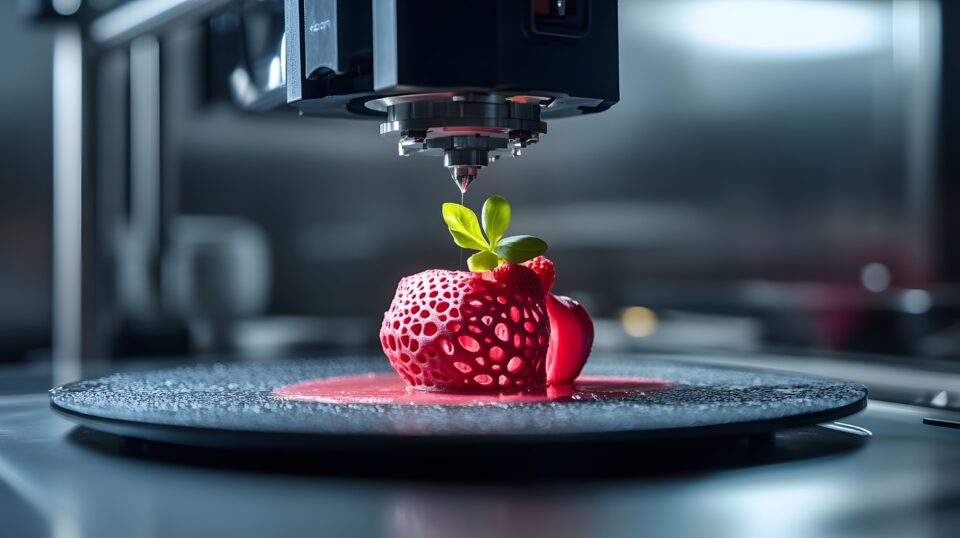
3D food printing moving beyond novelty into practical applications
The goal is no longer flexibility — it’s hyper-agility. Factories need to move from making hundreds of SKUs to thousands of configurations with minimal downtime.
Cognitive Automation and Autonomous Operations
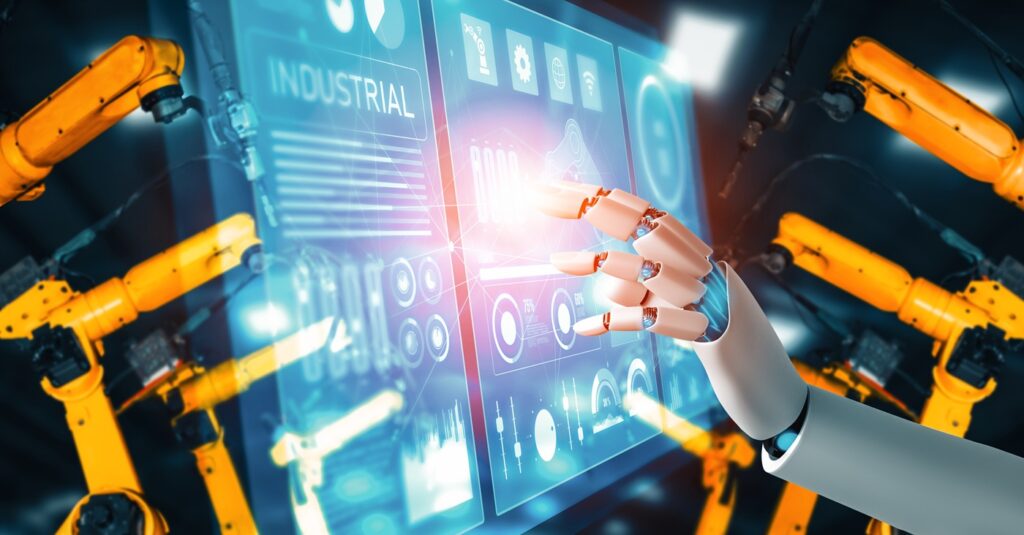
The January issue will deep-dive into AI, but manufacturers are already moving from traditional automation to cognitive automation, where machines are capable of self-optimisation and autonomous decision-making.
Key developments
-
Self-optimising production lines that adjust based on real-time sensor data
-
Prescriptive maintenance: AI not only detects faults but re-plans production around them
-
Autonomous mobile robots (AGVs/AMRs) handling materials and ingredients
-
Augmented reality supporting operators with live data, safety alerts and maintenance guides
These technologies are becoming crucial as labour shortages intensify and production complexity grows. The result is a smarter, safer and more predictable factory floor.
Sustainability Becomes “Compliance by Design”
Sustainability is no longer an initiative or KPI – in 2026, it becomes a structural requirement built into every manufacturing decision.
Legislation making it unavoidable
-
UK’s Simpler Recycling: mandatory food waste separation
-
Extended Producer Responsibility (EPR): rising packaging fees based on recyclability
-
EUDR deforestation rules: tighter origin verification for global ingredients
Factory-floor responses
-
On-site waste valorisation systems turning by-products into saleable ingredients
-
Closed-loop water treatment reducing dependence on municipal supplies
-
Energy-positive factories using integrated renewables and intelligent energy storage
-
Material-agnostic packaging systems designed for lighter, mono-material formats
Manufacturers that design circularity into their process flows will reduce exposure to regulatory and financial risk — and unlock significant efficiency gains.
Manufacturers Become Supply Chain Transparency Hubs
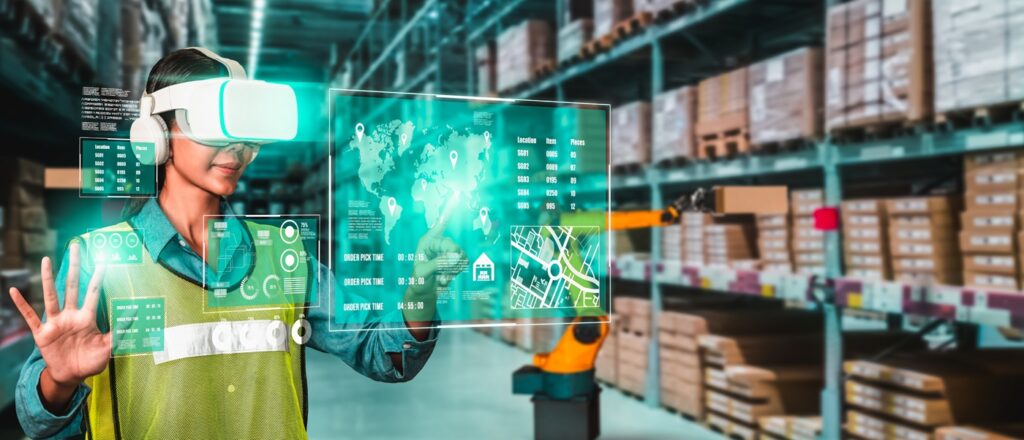
The push for traceability has evolved into a demand for real-time, verifiable transparency across whole supply chains. With global instability increasing, factories are becoming both operational centres and data centres.
How the role is changing
-
Manufacturing sites now feed immutable data into blockchain-based Digital Product Passports
-
AI platforms predict ingredient shortages, weather disruptions or geopolitical risks
-
Automated systems produce export documents, health certificates and deforestation reports instantly
-
Factory IoT is becoming the primary source of regulatory and audit-ready proof
In 2026, factories aren’t just where food is made — they’re where the truth about food is verified.
The Rise of the Fully Connected Factory Ecosystem
A major 2026 trend is the shift from siloed technology to ecosystems, where robotics, AI, MES, packaging, traceability and logistics platforms operate in unified real-time environments.
Examples of this integration
-
A mixer warns the packaging line of viscosity changes
-
An AMR fleet delivers ingredients based on predictive demand signals
-
Vision systems feed quality data directly into R&D teams
-
Energy storage and solar systems sync with production schedules to cut energy costs
This holistic approach unlocks the true value of digital transformation — not faster machines, but smarter systems.
Conclusion: The Next Phase of Manufacturing Has Begun
2026 will be a defining year for the food and beverage industry. The leaders will be those who embrace:
-
hyper-personalisation,
-
autonomous decision-making,
-
circular operations,
-
real-time transparency, and
-
deep ecosystem integration.
The transformation is no longer optional. It’s structural. It’s legislative. It’s demanded by retailers and consumers. And it’s being accelerated by AI — which we’ll explore in full in our January issue.
Manufacturers that act now won’t just keep pace with the future of food production — they’ll shape it.