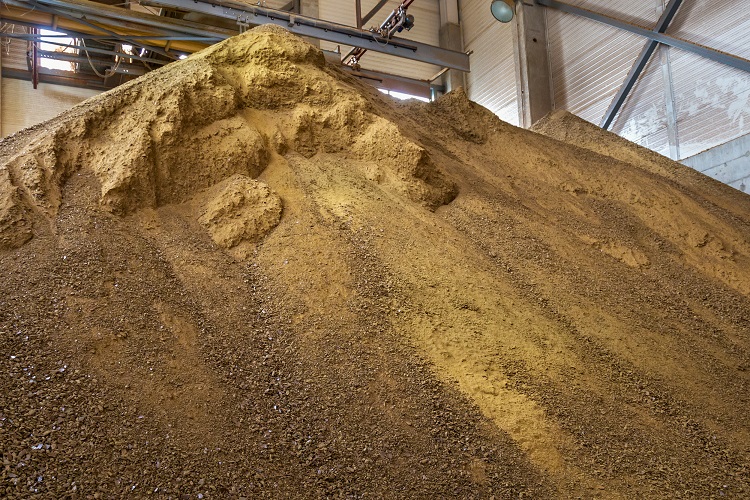
A breakthrough study, published in the journal Nature, from researchers at the University of Copenhagen has revealed that removing glucosinolate compounds from rapeseed cake could potentially make it a viable source of plant-based protein. Glucosinolates act as a defence mechanism in the brassicaceous family, which includes broccoli and cabbages. However, these compounds also result in a bitter taste that makes rapeseed cake unpalatable and could even pose health risks. Currently, rapeseed cake is mainly used as animal feed, with only occasional use in protein products for human consumption. One of the study’s authors, Barbara Ann Halkier, confirmed that rapeseed protein constitutes around 50% of crude protein produced in the European Union.
Through using the thale cress as a model plant (a relative of the rapeseed plant), the study found that glucosinolates accumulated in stalks of the plant, connecting the seeds to the pod wall. The researchers discovered that removing three specific proteins through breeding in rapeseed would prevent the glucosinolates from accumulating. The process could easily be adapted from the thale cress plant to rapeseed crops through transport engineering technology. Although the defence compounds would not accumulate in the seeds, many would remain in the plant’s stalk, providing an essential resistance mechanism.
Despite its high protein content, the use of rapeseed cake as a food source for humans is restricted by European law due to high glucosinolate levels. However, Halkier suggests that once the study is translated to oilseed rape, the proteins that cause the accumulation of glucosinolates will be absent, clearing the way for the European Food Safety Agency (EFSA) approval of rapeseed cake as a novel food for human consumption. Additionally, Halkier states that the process could be easily scaled to fit industry demands.
In conclusion, this compelling study has provided much optimism in the drive towards a plant-based protein transition. As an abundant crop already widely grown, rapeseed cake has the potential to offer a sustainable and cost-effective alternative to animal-based proteins. In 2022, ingredients supplier DSM launched their own rapeseed protein, utilizing upcycled canola protein from rapeseed cake. The resulting product had a higher protein content than soy and was made by mixing rapeseed press cake with an aqueous salt solution.