pladis, the international snacking business behind McVitie’s, GODIVA and Ülker, has confirmed that 94% of the plastic packaging used across its worldwide portfolio was ready for recycling by the close of 2025. The company has also committed to cutting its use of virgin plastic by 10% by 2030, using 2025 as the baseline.
This achievement reflects several years of packaging development across brands such as McVitie’s, Ülker and Sultana. During that period, pladis replaced complicated multi-layer packaging structures with simpler, recycle-ready formats made from a single material.
The progress supports pladis’ goal of ensuring that all its plastic packaging is reusable, recyclable or compostable by the end of 2025. However, development continues for the remaining formats. Any redesign must increase recyclability while preserving product quality, extending shelf life and maintaining dependable performance across manufacturing operations. These priorities reflect broader food and drink sustainability goals and emerging food and beverage industry trends.
Suzanne Westlake, Director of Sustainability at pladis, said:
“Our 2025 packaging target challenged us to rethink packaging across a complex global portfolio. We’ve made strong progress by moving more formats into recycle-ready packaging, and we’re being transparent about the work still to do. Our focus now is on reducing virgin plastic while continuing to improve recyclability and performance.”
Key developments across the portfolio include the completion of development and internal testing for recycle-ready packaging covering 100% of McVitie’s Digestives products. The new format replaces PET laminates, which represented approximately 20% of pladis’ UK packaging at the beginning of 2025.
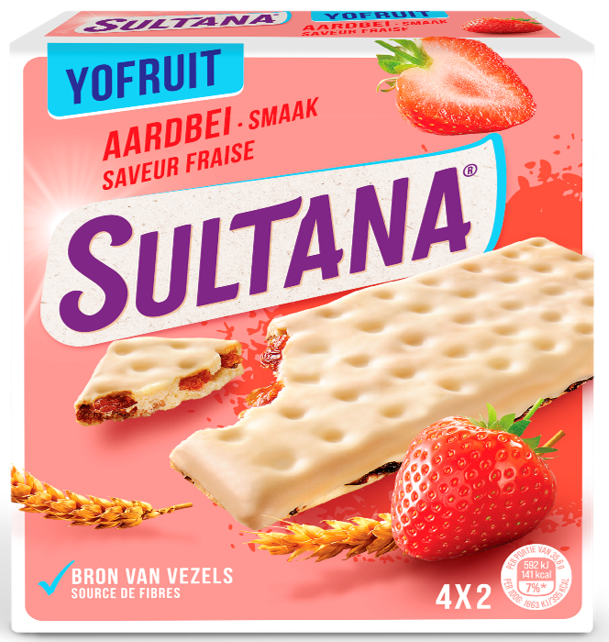
Ülker Kakao has also moved from composite packaging to a recycle-ready, single-material pouch, delivering an 18% reduction in plastic use. Meanwhile, Sultana Yofruit has adopted a single-material polypropylene wrapper. The change is intended to simplify recycling while improving the pack’s overall strength and performance.
As part of its next stage of packaging innovation, pladis has started its first digital watermark pilot on Sultana packs in Belgium. The initiative is being delivered through the HolyGrail 2030 consortium and is designed to enable recycling facilities to recognise and sort packaging with greater precision. Such developments demonstrate how food processing technology and food and drink packaging innovation are influencing the future of the sector.
pladis’ packaging results form part of its broader sustainability update. The company has also secured Science Based Targets initiative validation for its climate commitments, including a target to reduce Scope 3 emissions by 35% by 2034 against a 2023 baseline.
The company’s approach reflects the growing importance of responsible packaging across food manufacturing trends, food distribution trends and food and drink consumer trends. It also highlights how food and drink industry innovation must increasingly align with changing food and drink regulations, sustainability expectations and food and drink marketing priorities.
The complete pladis 2025 Sustainability Report is available at https://www.pladisglobal.com/media-centre/McVitie%E2%80%99s-owner-pladis-secures-first-SBTi-validation-and-publishes-2025-Sustainability-Report