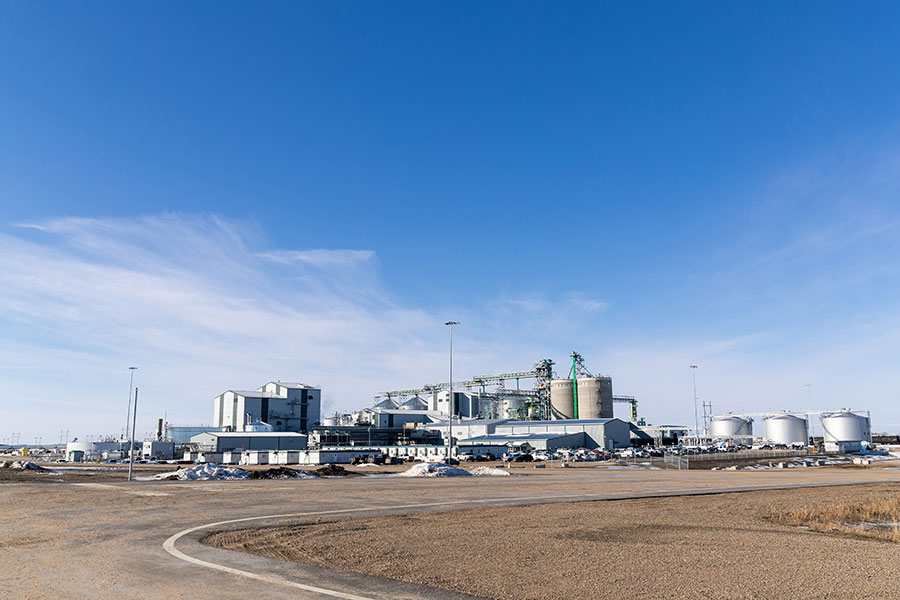
A newly established canola processing facility in Regina, Saskatchewan has commenced operations, enhancing domestic processing capabilities and improving market access for farmers throughout Western Canada.
This facility, owned by Cargill, has the capacity to process up to 1 million metric tonnes of canola annually. The operation is poised to bolster local demand for the crop and facilitate its refinement within Canada into more valuable goods such as cooking oil, inputs for renewable fuels, and protein-rich animal feed.
The site will cater to farmers in Saskatchewan and Western Manitoba as global interest in lower-carbon energy sources continues to grow. With canola increasingly being used as a biofuel feedstock, the expansion of processing capabilities will diminish dependence on exporting raw seeds, enabling a greater portion of the value chain to remain within Canada.
“This facility strengthens our ability to connect Canadian farmers to growing global demand for food and renewable fuels,” remarked Jeff Vassart, president of Cargill Canada. “By expanding processing capacity in Saskatchewan, we’re creating more opportunities for farmers while helping ensure Canada remains competitive in rapidly evolving global markets.”
Designed with logistics that enhance delivery efficiency for farmers, the site features dual receiving lanes, scheduled deliveries, and streamlined handling systems. These improvements aim to provide quicker and more predictable turnaround times during busy seasons.
Situated within Saskatchewan’s Global Transportation Hub, the facility benefits from direct rail access to both domestic and international markets, facilitating the distribution of finished products.
The initiative is also projected to positively impact the local economy by creating over 100 jobs through a combination of full-time positions and contract opportunities, which will also stimulate activities in transport, logistics, and local services.
Cargill is further establishing its footprint in Canada’s canola market, complementing its existing processing facilities in Camrose, Alberta, and Clavet, Saskatchewan, while continually promoting programs that link growers to global markets.