

>Chocolate giant Hershey is actively pursuing an “exemption” from US tariffs on cocoa imports, as confirmed by the company’s management.
In a recent discussion with analysts following Hershey’s first-quarter results, CFO Steve Voskuil projected “incremental tariff expenses” of approximately $15-20 million for the second quarter.
During the presentation of results for the first three months of 2025, chair and CEO Michele Buck detailed the measures being implemented to counteract the impacts of Trump’s import levies, especially as Hershey navigates elevated cocoa costs.
Notably, Buck indicated that positive developments on cocoa harvests may provide some relief, alongside indications that prices might begin to decline.
“As a largely domestic food producer, we are relatively less exposed to tariffs than other industries. However, the current US levy on cocoa presents a risk that we must address amid unprecedented fluctuations in cocoa prices,” Buck stated in prepared remarks accompanying the results.
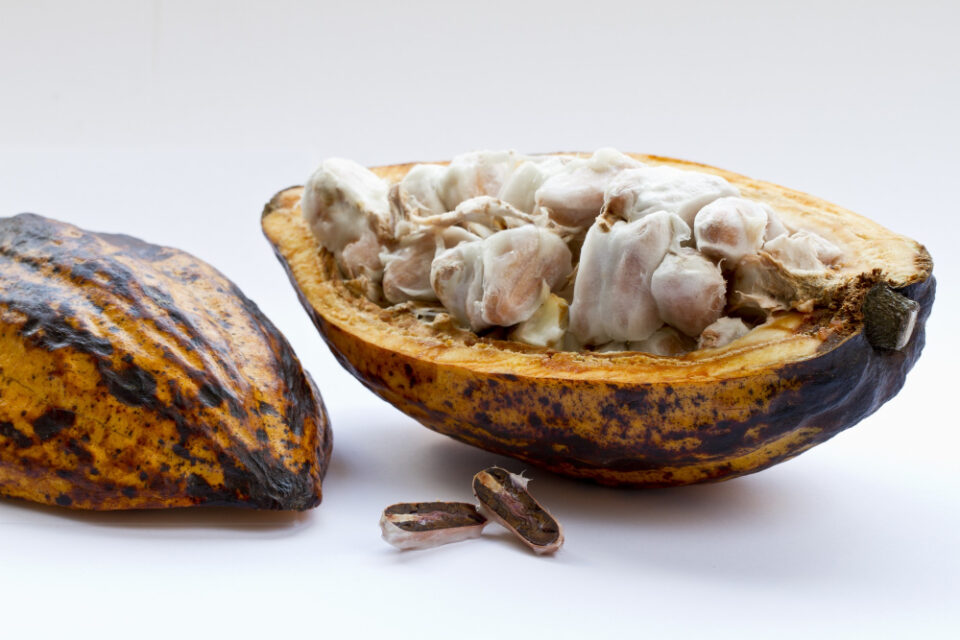
Moreover, she emphasized, “Cocoa cannot be cultivated in the United States, and therefore, we are proactively engaging with the US government to seek an exemption.”
“We are crafting comprehensive mitigation strategies for other raw materials and finished goods, with several no-regrets actions already in progress.”
Voskuil mentioned that tariff expenses may rise beyond the second quarter into the latter half of the year if a resolution with the government is not reached, especially as Hershey works through its inventories.
“The global business environment remains dynamic as negotiations continue. We are optimistic that we can mitigate our largest exposures – cocoa imports and Canadian retaliatory tariffs,” Voskuil explained.
He cautioned that the “unmitigated impact” could reach as high as $100 million per quarter in the final six months of the year.
“If you break that down, two-thirds of it stems from either cocoa or Canadian retaliatory tariffs. Accordingly, we are focusing our efforts on influencing government actions concerning these tariffs, particularly for cocoa,” he added.
Hershey’s exposure
Voskuil also outlined other tariff exposures impacting Hershey from raw material imports, aside from cocoa.
“While our exposure to China is not significant, it still factors into our calculations. Compared to cocoa and Canada, these other impacts are meaningful but considerably smaller,” he noted.
“We are exploring exemptions wherever feasible, prioritizing the areas with the most significant impact. However, we do have raw materials from other countries that continue to carry some tariff implications.”
Buck confirmed Hershey’s acquisition of the Fulfil Nutrition brand in North America, as specifically timed in April.
Hershey has been operating Fulfil in North America through a joint venture since 2020, noted Buck in her prepared remarks. The Jolly Rancher sweets maker initially partnered with Fulfil Nutrition founder Barry Connolly, holding a minority stake at that time.
“Fulfil is now the largest and fastest-growing brand in the protein and energy bar sector in Europe, outperforming most competitors in terms of product preference and showcasing substantial growth potential in the US and globally,” Buck stated.
Last month, the company announced the acquisition of LesserEvil, a US-based organic snack manufacturer. Additionally, in November, local candy brand Sour Strips was also acquired.
The outlook for cocoa prices
On the cocoa front, Buck remarked that prices have decreased over the past months. However, she cautioned that “cocoa financial markets continue to be detached from fundamentals due to liquidity issues, market speculation, and shifts in government policies.”
She elaborated, stating, “This year’s crop could signify the start of a multi-year growth cycle in cocoa supply. Meanwhile, global end-users are now responding to consistently high prices, having observed the market for some time.”
“Based on current data, we continue to expect inflation next year, and we are rigorously planning to address persistently high cocoa prices,” she affirmed.
“We are preparing various strategies for implementation, including pricing adjustments, price pack architecture, demand shaping, and sourcing strategies to mitigate inflation and protect our margins in the long run.”
Buck highlighted that the phase-out of petroleum-based food dyes in the US would primarily affect Hershey’s sweets portfolio and “some refreshments.”
She noted, “We strive to remain ahead of regulatory changes, and we have anticipated some of the necessary adjustments, such as the ban on propylparaben in California and the restriction on Red Dye No. 3.”
“Our work on natural coloring has been underway for an extended period. Chocolate products, in particular, should be less impacted. If you review the ingredient labels, you’ll find that many of our products consist of straightforward, natural ingredients.”

