

Tetra Pak is intensifying its commitment to the food and beverage industry with ambitious plans to transition some of the largest food manufacturers to its innovative practices. This strategy aligns with current food manufacturing trends and emphasizes the company’s commitment to food and drink sustainability.
Why this shift? Tetra Pak is confident that the sustainability and stability features of its Tetra Recart product represent a compelling sales strategy, supported by the firm’s extensive infrastructure and expertise. By exploring food processing technology, the company aims to address evolving consumer demands in food and drink packaging.
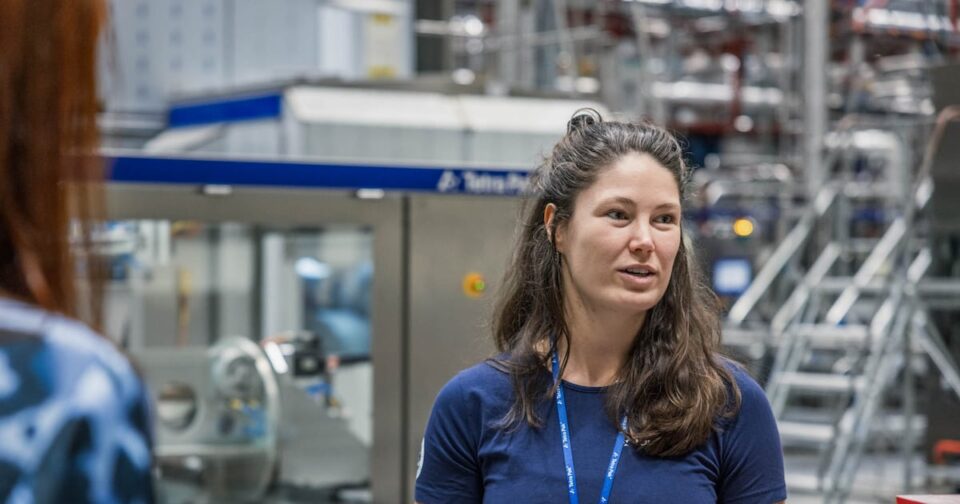
At the heart of this endeavor is food development specialist Sanne Touw, whose five-year experience at Tetra empowers her to facilitate smoother transitions for businesses. This approach directly addresses current food distribution trends and aligns with the growing importance of innovation in the food and drink industry.
For over a decade, Tetra has bolstered its food development center, with Recart functioning for 20 years of the company’s impressive 75-plus years. Now, Touw and her team recognize that a stronger emphasis on advancing this product is essential to maintain competitiveness.
“Right now, we’re focusing on the big fish,” she explains. “We’re seeking substantial producers for conversations about transitioning from cans or glass to Recart.” This proactive approach mirrors broader trends in food and drink marketing.
Although there have been notable agreements already, Touw remains cautious about naming partners. However, brands like Heinz and other industry giants remain targets for her team’s aspirations.
Tetra is Targeting Food Categories
Tetra’s focus spans several categories, including fruit, vegetables, sauces, and even pet food. The Recart system enables products to be filled into paper-based packaging, which is then sealed, sterilized, and stored for up to two years, demonstrating advancements in food manufacturing trends.
However, Touw acknowledges the challenges: “There are certain pros and cons when comparing cans or tins to glass cartons,” she admits. “While cartons are flexible, paper is inherently not meant to contain water. Nevertheless, we have tailored our materials to withstand the demanding sterilization temperatures.”
She emphasizes that the filling and sterilization processes mirror those for glass and tin. Notably, there are flavor distinctions between tin and paper. The Recart system eliminates any interaction between food products and packaging, resulting in “pure” flavor retention.
We’ve had products go straight from our facility to shelf, instead of the manufacturer spending one to two years on R&D
Sanne Touw, food development specialist at Tetra Recart
“There are some funny examples of taste changes, like pineapple,” Touw explains. “Customers who buy pineapple in cans often get accustomed to the peculiar flavor resulting from the juice’s reaction with the can. However, Recart delivers an exceptionally fresh and sweet flavor, thanks to its neutral environment.”
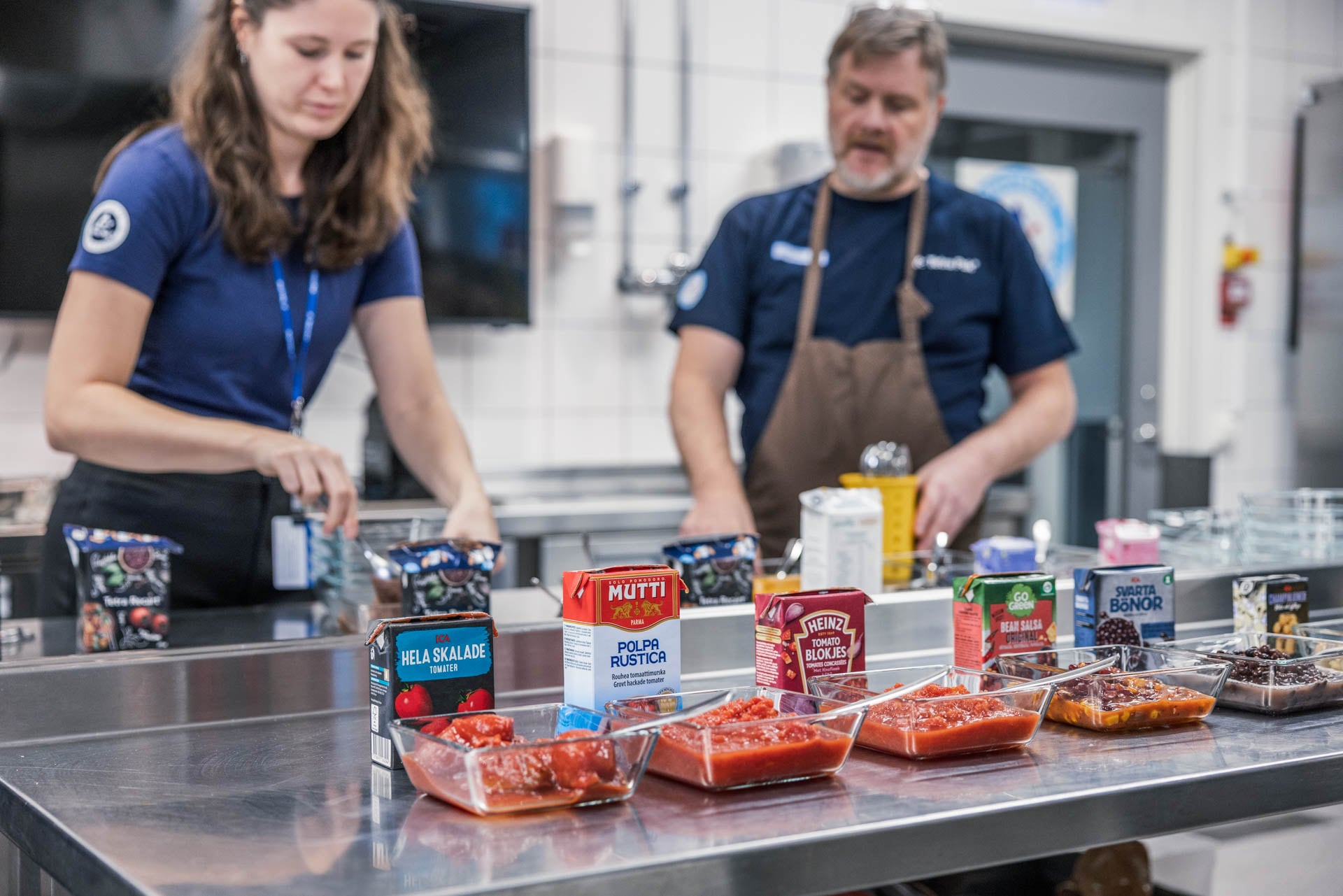
Touw and her team manage scenarios and expectations at the food development center, collaborating with customers to transition their recipes from cans to Recart. “We assist clients in new product development (NPD) without disrupting their production lines, facilitating a seamless transition of SKUs directly from Tetra’s lab to their production facilities,” she notes.
“We’ve had products go straight from our facility to shelf, instead of the manufacturer spending one to two years on R&D,” Touw states confidently.
Executing NPD in Paper
“Clients approach us because they can experiment without halting production. Moreover, they can come to us before their Recart machines are installed, conduct new product development here, and immediately start production at their own sites once our machinery is set up,” she elaborates.
Major manufacturers in categories such as peach production, silken tofu, and legumes are currently collaborating with Tetra Recart. For instance, silken tofu presents a unique shelf-life challenge. Traditionally lasting only two to three days, Tetra’s packaging solution extends its shelf life to two years, Touw claims.
In addition to ensuring quality and shelf life, food manufacturers are increasingly focused on enhancing their sustainability credentials. Transporting empty tins or glass typically incurs additional logistical challenges and environmental costs.
“We observe requests from retailers and supermarkets shifting from conventional packaging to carton, as it is viewed as more sustainable,” Touw affirms. “Our customers receive our products as 500 flat sheets, which are easily assembled on the packaging line, resulting in significant cost savings by not transporting numerous empty cans or bottles.”
Recognizing these needs, Touw and her team continue to strategize on how best to expand the business. Plans are already in motion to target the tinned tomato market in Italy and green peas in Argentina.
Executing this growth strategy will require ingenuity, especially as the canning sector tends to be conservative. “That’s why we’re focusing on product first,” Touw concludes thoughtfully.

