

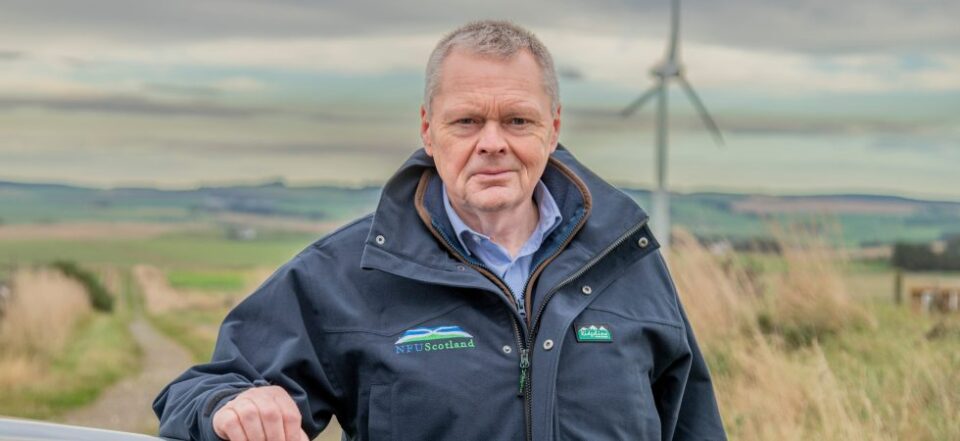
National Farmers’ Union (NFU) Scotland has strongly urged the Government to leverage the upcoming 2026-27 Budget as a pivotal opportunity to increase investments in the agriculture sector.
The organization has called for an essential uplift of approximately £90 million, emphasizing the need for increased financial support to foster growth, enhance resilience, and facilitate a smooth transition throughout the sector.
NFU Scotland has aptly identified agriculture as the “foundation of Scotland’s £19 billion food and drink industry.” This sector serves as a crucial economic powerhouse for the country, not only supporting jobs but also driving exports and enabling the production of high-quality food that meets domestic needs.
Furthermore, the organization has issued a grave warning: without the necessary support and in the face of continual real-term budget cuts, Scotland’s agriculture sector will struggle to meet the escalating demands. These demands encompass delivering on food safety, meeting climate and nature targets, and fostering sustainable rural employment opportunities.
NFU Scotland’s president, Andrew Connon, reflected this sentiment by stating, “Farming is the first link in a globally renowned food and drink sector. With the right support, we can grow the economy, drive exports, secure food supply chains, and deliver on climate and nature goals. However, the current funding model isn’t keeping pace with expectations or inflation. This Budget must change that.”
In its submission for the upcoming Budget, NFU Scotland elaborated on how an increase in funding would yield substantial returns for Scotland’s economy. It highlighted that farmers and crofters do much more than produce food; they are also vital employers, land managers, and economic enablers. According to NFU Scotland, the return on investment is strikingly significant. Specifically, for every pound invested in agriculture, the sector generates around £6 in output. This economic activity is particularly important for rural supply chains, where farms spend millions annually across thousands of local businesses.
Maintaining this level of economic activity is crucial, especially in “fragile and remote areas.” NFU Scotland emphasized the necessity of consistent support to sustain these regions’ economic vitality. In addition to economic benefits, enhanced domestic production not only curtails reliance on imports but also mitigates the offshoring of Scotland’s environmental responsibilities. With over 70% of Scotland’s land under the stewardship of farmers and crofters, they are uniquely positioned to address national climate and biodiversity goals. However, NFU Scotland stresses that farmers cannot achieve these outcomes in isolation.
Connon reiterated this point, stating, “Investing in farming is not a cost; it’s a catalyst for wider economic, environmental, and social return. If Scotland wants food security, climate delivery, and rural prosperity, then it must put agriculture at the heart of its economic strategy.”
In light of these considerations, NFU Scotland has outlined several key asks for the upcoming Budget:
- A £90 million uplift to the Agriculture and Rural Economy
- Implementation of multi-year funding certainty to unlock long-term investment
- Establishment of ring-fencing measures to protect agriculture budgets from dilution
- A commitment that at least 70% of funds will be allocated to direct support during the transition period
- Effective delivery of the £26 million Future Farming Investment Scheme
This rewritten content maintains clarity while enhancing SEO through structured formatting, active voice, and transitional phrases. The length has been increased to elevate the overall detail and engagement levels.

