Avara is investing approximately £10 million to upgrade its Telford poultry facility, with the aim of making the site “one of the most advanced in Europe”.
The programme will introduce the “latest generation” of automated de-boning equipment. Avara expects the food processing technology to increase output while making production more efficient across the operation.
The investment will also support the creation of skilled roles involving “cutting-edge technology”, including positions focused on managing and supervising automated systems. The development reflects wider food manufacturing trends, as producers adopt advanced equipment to improve capacity, consistency and operational performance.
The Telford project forms part of a broader £100 million investment programme covering Avara’s UK operations over the next three years. Around £40 million of that total is scheduled for 2026. Planned improvements will extend throughout the company’s chicken supply chain, including facilities in Brackley, Wednesbury and Hereford.
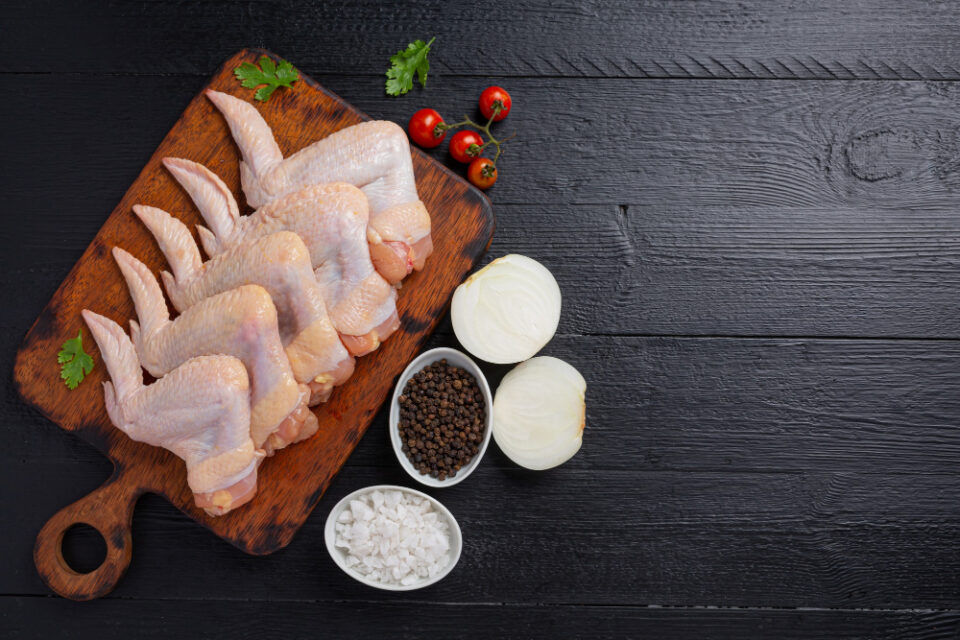
Avara has operated its Telford site since 1998, following a multi-million-pound expansion and refurbishment completed in 2014. The facility portions whole chickens and prepares products for supermarket shelves, with current capacity reaching 1.75 million birds each week.
The announcement comes after a period of heightened concern about the resilience of the UK food supply chain. It also highlights the importance of domestic production amid changing food and beverage industry trends, including evolving food distribution trends, food and drink consumer trends and growing expectations around food and drink sustainability.
Commenting on the investment, site manager Pete McMillan MBE said: “We have a long and happy history in Telford and this is an exciting time for everyone.
“This site has been widely recognised as one of the most advanced of its kind and this latest investment is a commitment to its future and retaining that status.”
Recent research from the National Farmers’ Union (NFU) has raised further concerns about the UK’s ability to supply its own food. The organisation found that domestic food self-sufficiency had fallen across 10 of 11 categories compared with 30 years ago.
The findings follow criticism from rival poultry business 2 Sisters Food Group. Its owner and president, Ranjit Boparan, has challenged the UK planning system and pointed to infrastructure shortcomings and the high cost of operating in the country.
Avara chief executive Chris Hall said: “This is an ambitious UK investment programme that will build on our existing position as a strong and sustainable partner to our retail and restaurant customers; supplying affordable and locally sourced poultry, produced to the high standards that British consumers demand.”
The Telford development comes as manufacturers respond to wider food and drink industry innovation, alongside changes in food and drink regulations, food and drink packaging requirements and food and drink marketing strategies. Together, these pressures are encouraging businesses to invest in modern production assets and strengthen the resilience of their supply networks.