According to the latest data from Kantar, grocery price inflation saw a rise of 17.3% in the four weeks to 16th April 2023, a marginal decrease from the 17.5% recorded in the previous four weeks. However, take-home grocery sales experienced an increase of 8.1% over the month to mid-April. Fraser McKevitt, head of retail and consumer insight at Kantar, suggests that while the recent decline in grocery price inflation may be good news for shoppers, it is too early to call the top. McKevitt also proposes that grocery inflation may decrease soon, as it will need to be measured against the high rates seen last year. However, falling grocery inflation does not necessarily result in lower prices, simply a slower rate of price increase.
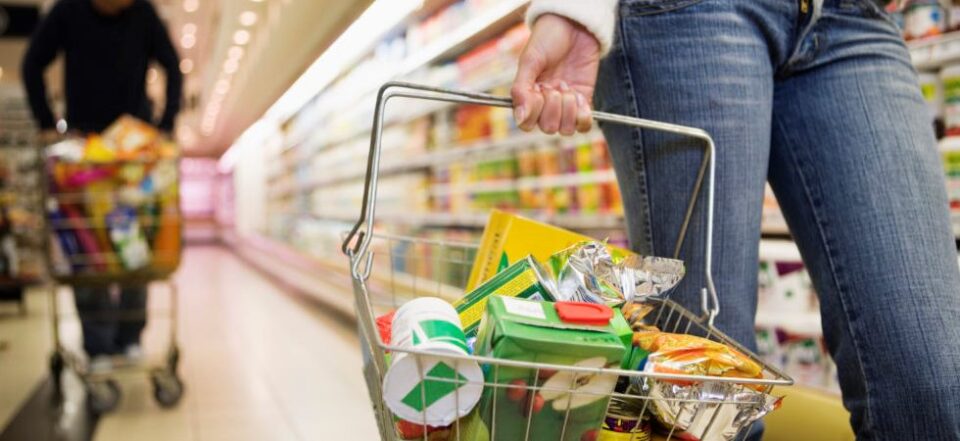
In an effort to manage their spending amid rising prices, British consumers are turning towards own label lines, which have gained a 13.5% growth in sales in the latest period. This suggests that shoppers are finding better value for money on these shelves, particularly for the cheaper value own label lines, which have witnessed an increase in sales by 46% versus a year earlier. These products now appear in nearly one in five baskets, while branded sales are also rising, albeit at a slower pace of 4.4%. Aldi and Lidl, both discounters, have hit new record market shares over the latest 12 week period at 10.1% and 7.6% respectively. Fraser McKevitt highlights that consumers are visiting at least three major retailers each month on average, and that the discounters are benefiting from this, with Aldi going past a 10% market share for the first time this month.
Easter sales also contributed to an increase in spending on grocery products, with 38 million chocolate eggs and treats bought in the week leading up to Easter Sunday, five million more than last year. Households also spent nearly £14 on Easter chocolate over the month, approximately six packs on average. Shoppers did not hold back on popular favorites such as hot cross buns, with the number of hot cross bun packs sold going up by 5%, and 3.4 million households picked up a lamb joint for the traditional seasonal roast during the four weeks.
Looking ahead to the three bank holidays in May, which include the Coronation, grocery sales may be impacted, with recorded bumps in supermarket sales for previous major royal events. During the week of the Platinum Jubilee last year, sales were £87 million higher than the average in 2022. Hence, data on the impact of the upcoming bank holidays will be analyzed including details of how many British households indulge in a Coronation Quiche, as only half of British households bought a quiche over the past year.
In the latest 12 weeks to 16th April 2023, the three largest grocers continued to grow at similar rates. Asda led the pack with sales up 8.8% year on year, giving the retailer a 14% share of the market. Tesco and Sainsbury’s followed with their sales increasing by 8% and 8.7%, respectively gaining 27% and 14.9% of the sector. Morrisons’ sales have continued to rise, and it now holds an 8.7% share of the market. Co-op’s market share stands at 5.7%, with sales growing by 2.7% in the latest 12 weeks, while Waitrose’s sales increase of 3.2% is its best performance since June 2021, pushing its market share to 4.5%. Iceland has maintained its level of share at 2.2%, matching the 12-week market growth rate of 9.4%. Meanwhile, Ocado has outpaced the overall online market, increasing sales by 8.7%.