Hain Celestial, a leading player in the food and beverage industry, is signaling its intention to divest brands in the meal preparation and personal care sectors. The company’s CEO, Wendy Davidson, unveiled the “Hain Reimagined” strategy, which focuses on three key growth areas: snacks, baby and kids products, and beverages, particularly tea.
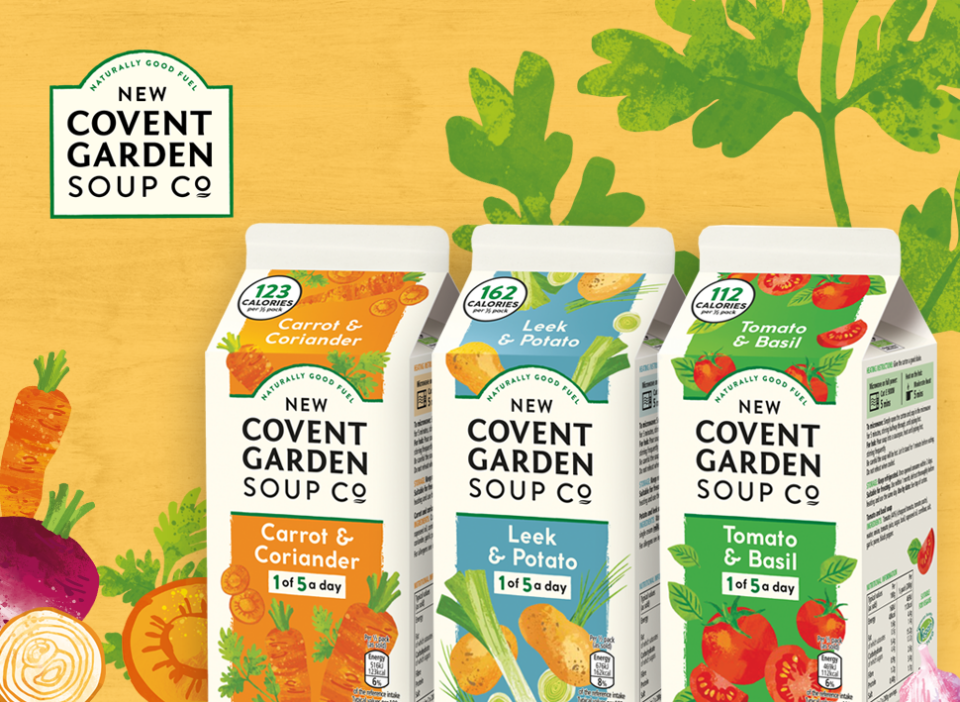
To achieve this strategy, Hain Celestial plans to restructure its operations to increase operating margins through optimizing its brand portfolio, organization, supply chain, and working capital. However, the company’s future plans for its meal-prep portfolio, including Linda McCartney’s meat-free products, Yves, New Covent Garden Soup Co., and Sun-Pat peanut butter, seem unclear. The same uncertainty applies to personal-care brands like Alba Botanica and Avalong Organics. While there is a short-term goal of stabilization and potential disposal, these categories and brands remain part of Hain Celestial’s current growth pillars.
According to Davidson, the company will maintain and stabilize its meal-prep and personal-care brands, as they contribute value to the profit and loss statement by reducing top-line pressure and improving margins. Once these businesses are in a strong position, Hain Celestial will explore strategic options for these categories and brands to maximize their potential.
Furthermore, non-dairy beverages, including the Joya and Natumi lines, are also part of the portfolio that Hain Celestial aims to stabilize. Dairy-free drinks and meat-free products have faced challenges, but the company’s growth strategy goes beyond mere participation in these categories. Hain Celestial plans to execute detailed action plans and focus on categories that offer substantial growth opportunities to achieve share gains, distribution gains, and strong velocities.
Among the key focus categories, snacks will play a pivotal role for Hain Celestial, with products like Garden Veggie puffed snacks and Terra crisps. The company expects snacks to be the largest contributor to its growth, with plans to drive velocity, expand into away-from-home channels, and launch breakthrough media campaigns to increase brand awareness.
Hain Celestial primarily operates in the US, Canada, the UK, Ireland, and continental Europe, which collectively account for over 90% of its sales. As part of its strategy, the company will streamline its operations into two macro-regions: North America and international, with four separate units under the latter.
In terms of financial goals, Hain Celestial aims for a compound annual growth rate (CAGR) of at least 3% for its organic net sales and a low double-digit CAGR for adjusted EBITDA by 2027. These targets also include achieving low double-digit adjusted EBITDA margins and adding 400 to 500 basis points to the adjusted gross margin.
In conclusion, Hain Celestial is reshaping its business strategy to focus on growth areas such as snacks, baby and kids products, and beverages. While its plans for meal preparation and personal care brands remain uncertain, the company aims to stabilize these sectors before exploring strategic options. With a strong emphasis on detailed action plans and robust end-to-end review, Hain Celestial strives to improve its business before expanding further.