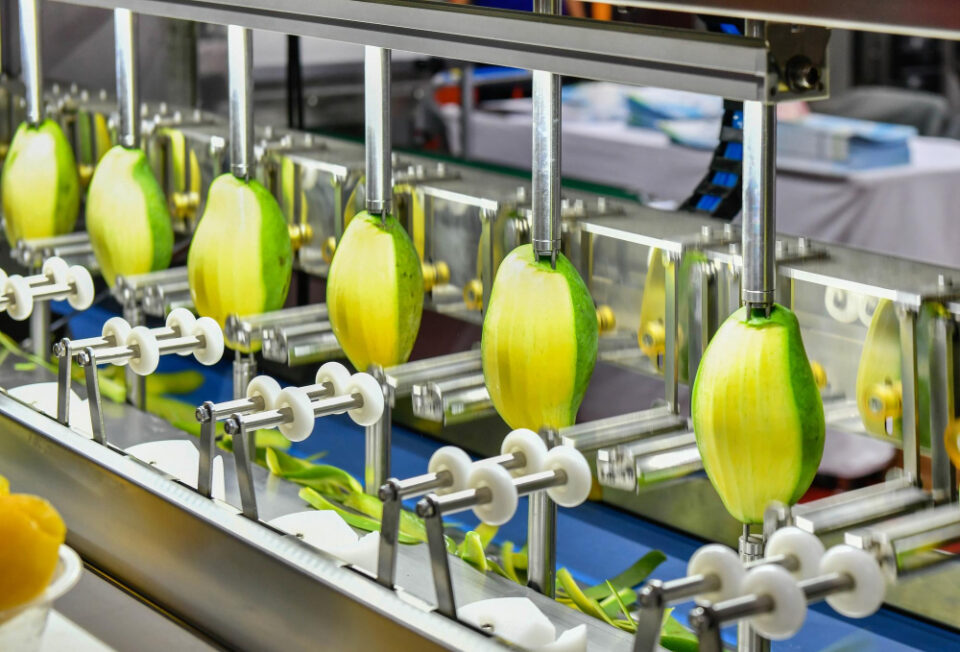
The art of slicing, dicing, and cutting in the food and beverage industry is undergoing a rapid transformation. What was once a mechanical necessity is now a high-tech, data-driven process central to delivering quality, consistency, and efficiency. Driven by consumer demand for convenience and visual appeal, manufacturers are investing in precision technologies to maintain both product integrity and profitability. At the heart of this evolution lies a growing reliance on robotics, ultrasonic cutting systems, and intelligent process automation—all of which are shaping the future of food processing.
In a landscape where consistency is not just expected but demanded, slicing and portioning are no longer seen as simple operational steps—they are integral to quality assurance, brand perception, and supply chain efficiency. Transparent packaging has raised the stakes, leaving little room for error. Every pack of pre-cut vegetables, sliced meats, or portioned cheeses must reflect uniformity in size, shape, and weight. Variations not only undermine consumer trust but can also impact labelling accuracy and trigger costly recalls. For manufacturers, that means mastering the art of precision at scale.

A key challenge in achieving this lies in the tools themselves. The sharpness of cutting blades is a critical factor in both efficiency and hygiene. Dull blades don’t just slow down production; they compromise the quality of the cut, bruise delicate ingredients, and pose contamination risks. Maintaining sharp, clean, and well-calibrated blades is essential—not only to ensure clean cuts but also to safeguard product integrity and shelf life. Replacing or servicing tools proactively avoids unplanned downtime and prevents the domino effect of food waste, production delays, and hygiene breaches.
Food safety, meanwhile, remains paramount. From conveyor belts to cutting blades, every surface in contact with food must meet rigorous hygiene standards. Poorly maintained equipment can become a vector for contamination, particularly when cross-contact between different product types is not adequately controlled. As consumer expectations rise and regulations tighten, the industry must move beyond reactive cleaning protocols and embrace smarter, more automated sanitation strategies built into the equipment itself.
This is where ultrasonic technology has gained remarkable ground. Once confined to niche applications, ultrasonic cutting has become mainstream across a variety of food sectors. By harnessing high-frequency vibrations, ultrasonic blades minimise friction and eliminate the tearing, crumbling, or dragging commonly caused by traditional knives. The result is a cleaner, more precise cut—even in notoriously tricky products such as soft cheeses, sticky confectionery, or layered desserts. Beyond aesthetics, the benefits extend to yield improvement, waste reduction, and longer-lasting product freshness.
But the innovation doesn’t stop at vibration. Today’s most advanced ultrasonic systems offer multi-frequency configurations, hybrid blade integration, and embedded quality control sensors. These developments allow machines to adapt in real time to variations in product density, texture, and temperature. The technology not only optimises throughput but also ensures compliance with stringent weight and portioning specifications—a crucial advantage in a highly regulated and competitive marketplace.
The integration of robotics is also redefining the cutting room floor. Where once human hands were relied upon for dexterity and judgment, robotic arms equipped with AI-powered vision systems are now taking the lead. These machines can identify the orientation, size, and even ripeness of ingredients, adjusting their actions accordingly to deliver precise and repeatable results. The speed and reliability of these systems allow for round-the-clock operation, significantly boosting productivity while eliminating human error and fatigue.
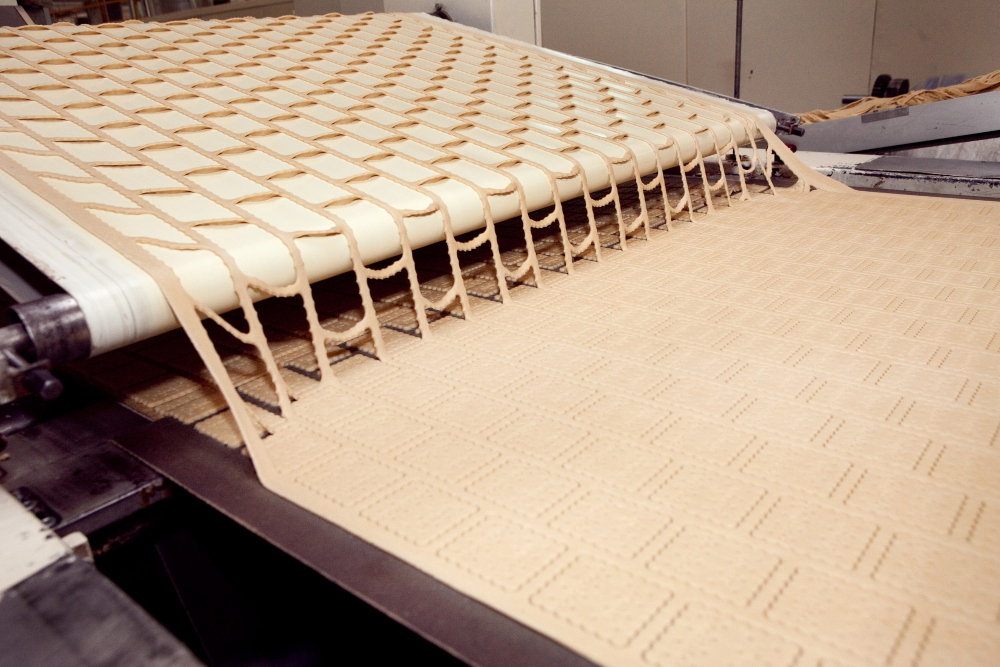
Unlike their predecessors, modern robots are not limited to isolated work cells behind safety cages. Collaborative robots—also known as cobots—are now entering the production line, working safely alongside human operators. These machines offer flexible automation without the need for complex reconfiguration, enabling faster changeovers and more responsive manufacturing environments. They are particularly effective for small-batch or customised production runs, where traditional automation may be cost-prohibitive or too rigid.
Artificial intelligence is making its presence felt not just on the hardware side, but also in the software running these machines. Some systems now incorporate machine learning algorithms that continuously refine cutting paths and parameters based on real-time feedback. This adaptive intelligence leads to improved cutting performance over time, as the system “learns” the nuances of different food products and adjusts accordingly. The result is less waste, higher yield, and tighter control over quality.
As manufacturers embrace these technologies, they are also beginning to see a direct link between precision cutting and sustainability. Every gram saved from being discarded adds up across millions of products. By reducing overcutting and improving accuracy, companies can significantly decrease their raw material usage and carbon footprint. In many cases, intelligent portioning is also key to reducing packaging requirements and optimising logistics.
Digitalisation is also playing a supporting role. Through the use of sensors and real-time data analytics, manufacturers can now monitor every aspect of the cutting process—from blade temperature and pressure to cut alignment and material loss. These insights are being used not just to improve output but also to schedule predictive maintenance, avoid breakdowns, and ensure that hygiene protocols are rigorously followed. Some cutting systems even incorporate self-cleaning mechanisms or antimicrobial materials to further enhance food safety and reduce downtime.
This level of control is particularly important as product lines diversify and consumer preferences shift. Whether producing vegan ready meals, premium deli selections, or low-fat cheese snacks, the cutting equipment must accommodate a growing variety of textures and formats without compromising performance. The flexibility offered by modern robotics and ultrasonic systems enables rapid reconfiguration, allowing producers to stay agile in a dynamic market.
In this evolving environment, equipment selection becomes a strategic decision. Manufacturers must partner with suppliers that not only offer state-of-the-art machinery but also provide the ongoing support, training, and upgrades necessary to stay ahead of the curve. The most successful adopters are those who treat their cutting systems as long-term investments—ensuring that maintenance is regular, staff are well-trained, and digital systems are fully leveraged.
Ultimately, slicing and dicing may seem like basic tasks, but they hold the key to unlocking broader benefits across the production line. Whether it’s improving product presentation, maintaining shelf life, reducing waste, or boosting throughput, the impact of cutting technology is far-reaching. With robotic systems offering unparalleled speed and safety, ultrasonic tools delivering next-level precision, and AI ushering in a new era of learning and adaptation, the cutting room is now a hub of innovation and efficiency.
As the food and beverage industry embraces the future, it’s clear that those who invest in the sharpest tools—both literal and digital—will carve out a distinct competitive advantage. The future of cutting is intelligent, adaptive, and above all, strategic. For forward-thinking manufacturers, it’s not just about making the cut—it’s about staying a cut above.