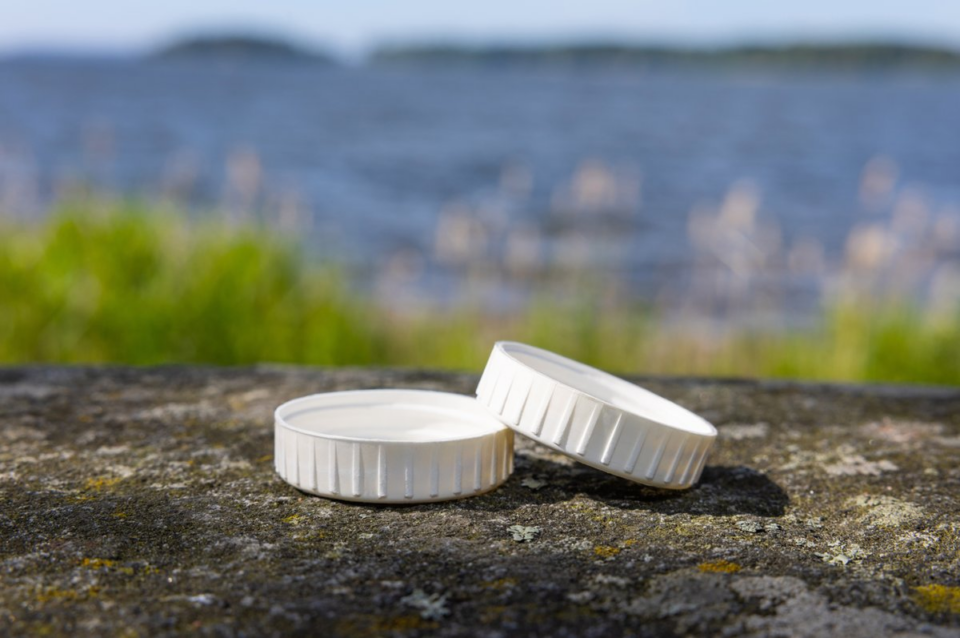
Fiber-based closures are emerging as a sustainable alternative to traditional fossil fuel-based plastics, offering enhanced recyclability and contributing to circular economy goals. This transition, however, has faced challenges regarding pricing competitiveness compared to conventional plastics. Recent shifts in resin markets are beginning to change this scenario.
Reports indicate that in early 2026, polyethylene manufacturers pushed for price hikes of up to $0.30 per pound, with additional increases expected in the coming months. Likewise, Plastics Information Europe noted significant surges in European polymer costs, with certain grades of polyethylene experiencing price jumps of hundreds of euros per ton within a month.
For professionals in packaging, these changes represent more than just short-term fluctuations; they signify a substantial transformation affecting material selection.
Lars Sandberg, CEO of Blue Ocean Closures, stated, “Fiber-based closures were previously seen as a slightly more expensive but more sustainable option. With the latest developments in resin prices and technology advancements, that is no longer the case. In several applications, they are now becoming the lower production-cost alternative.”
This transformation is taking place alongside increasing regulatory scrutiny. The European Commission’s proposed Packaging and Packaging Waste Regulation seeks to ensure that by 2030, all packaging within the EU will be recyclable in an economically feasible manner while reducing reliance on virgin fossil-based materials.
Within this context, the choice of materials is shifting beyond just sustainability considerations; it has become critical for cost management and long-term durability.
One notable area of change is in closures. Although they constitute a small fraction of total packaging weight, closures significantly impact functionality, perceived recyclability, and material composition. Historically dominated by plastics, they now present a feasible entry point for fiber-based alternatives.
Blue Ocean Closures has pioneered a unique, proprietary technology centered around cartonboard-based closures designed for paper recyclability. Recognition from industry awards, such as The Sustainability Awards by Packaging Europe, illustrates the successful certification of the company’s fiber-based screw cap for paper recycling streams. The importance of this advancement lies not just in the material but in its production method.
“Our approach avoids the complexity of traditional dry forming and enables conversion using materials with pre-applied barriers,” Sandberg explained. “That reduces both energy consumption and process complexity, which is part of why the cost position has improved.”
This blend of minimized exposure to volatile fossil-derived materials, simplified conversion processes, and alignment with new regulatory standards is altering how fiber-based closures are assessed within fast-moving consumer goods (FMCG) and packaging sectors.
“We are observing a transition from discussions about innovation to those about implementation,” Sandberg noted. “It’s no longer just about testing new materials. It’s about identifying opportunities for companies to start replacing plastics immediately.”
Early examples from the market illustrate this trend. Blue Ocean Closures has reported initial commercial success in consumer products, highlighting significant reductions in plastic usage at scale. While it is still early days, these instances indicate that advanced fiber-based packaging components are progressing beyond the pilot phase into real-world application.
For beverage carton manufacturers and brand leaders, the implications are substantial. Closures represent a manageable component where changes can be enacted without the need to overhaul the entire packaging system while still making a significant impact on material usage, recyclability, and cost management.
“The conversation has changed,” Sandberg stated. “The key question now is not about technology readiness; it’s about how long companies can afford to delay adopting fiber-based closures that present benefits in cost, sustainability, and supply security concurrently.” As resin markets show volatility and regulatory frameworks tighten, the opportunity for transitioning from plastic to fiber-based solutions appears to be accelerating faster than anticipated.
To learn more, visit www.blueoceanclosures.com.