

In response to the release of the final version of base fees for packaging Extended Producer Responsibility (EPR) Jason Galley, director and chief executive of the Metal Packaging Manufacturers Association (MPMA), states:
“The final packaging EPR base fees are a step in the right direction with encouraging reductions for aluminium and steel which better value their contribution to the circular economy. However, individual fees for metal packaging should not be looked at in isolation but rather in comparison with all materials. Fundamentally the disparity remains when the base fees are translated into real-life product packaging, resulting in the financial incentive to switch to lighter-weight yet harder-to-recycle materials.”
“Despite the amendments to the base fees, the unique role of metal to support UK circular economy goals is still undervalued within the EPR scheme and businesses making the most circular, highly-recycled packaging are under threat.”
“While we are pleased that MPMA’s evidence has been sensibly evaluated by Defra, we believe metal packaging within the UK EPR scheme should be closely aligned with European schemes where steel and aluminium base fees are significantly lower compared to lighter-weight, less-recycled materials.”
“We believe there is the opportunity to make packaging EPR a showcase piece of legislation. We will continue to work with Defra and PackUK to bring the facts to the table in support of the country’s circularity goals.”
Background
MPMA supports Defra’s overarching vision to foster a circular economy and enhance packaging recycling rates. However, MPMA asserts that fairly-priced packaging Extended Producer Responsibility (EPR) fees will contribute to a positive cycle that improves recycling rates across the board.
MPMA is concerned that the EPR methodology does not accurately reflect the true collection, sorting costs, and recycling rates of various packaging materials. Notably, the EPR fees for steel cans are significantly higher than those for competing materials like plastic and fibre composite.
Defra’s data indicates that steel boasts the highest recycling rate—78.3%—of any packaging material in the UK. Consequently, MPMA believes that the recycling rates of each material must be central to the EPR fee structure to ensure a successful circular economy.
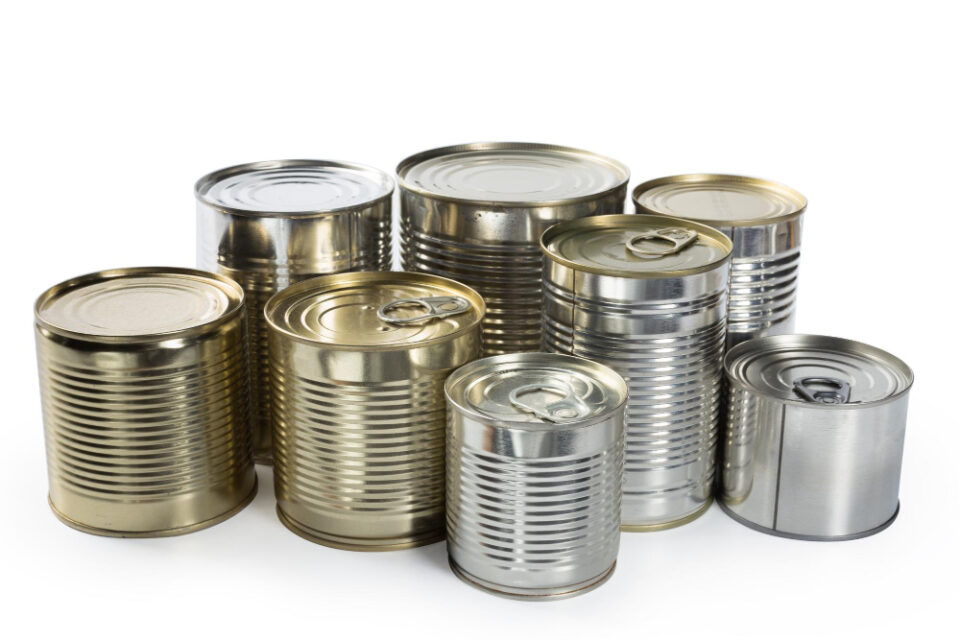
Metals are categorized as Permanent Materials due to their inherent properties, which remain unchanged through repeated recycling into new products. This characteristic makes them ideal for a circular economy. Furthermore, the iconic ‘tin can’ serves as a kitchen staple and is crucial for food banks nationwide.
Food cans, which have a shelf-life of three to five years, play an essential role in food security and waste reduction. However, the high EPR fees for steel may compel businesses to abandon metal packaging due to prohibitive costs. This shift poses a significant risk to the survival of the iconic food can, ultimately threatening UK food security and the broader economy.
Note: Plastic’s recycling rate is 52.5% (Defra), while fibre-based cartons have a recycling rate of 29% (Zero Waste Europe study on drinks cartons).

