


In the fast-paced food and beverage industry, efficient logistics are essential for maintaining product quality, ensuring safety, and meeting delivery deadlines. Containers and pallets play a critical role in safeguarding products from production lines to retail shelves, yet they are often overlooked in operational strategies. As supply chains grow more complex and sustainability becomes a pressing concern, businesses must reconsider how these essential tools can enhance efficiency, reduce waste, and meet evolving operational challenges.
The Critical Role of Containers and Pallets in Food Logistics
Containers and pallets serve as the backbone of food supply chain operations. Containers protect products from damage and contamination during storage and transit, while pallets provide a structured base that simplifies handling, stacking, and loading processes. These tools ensure goods can be transported safely and efficiently, reducing the risk of spoilage, breakage, and operational delays.
The food and beverage industry’s reliance on speed and accuracy makes the proper selection of containers and pallets vital. Inconsistent or low-quality materials can result in damaged goods, delayed shipments, and potential contamination. Therefore, manufacturers are increasingly recognizing that the right logistical tools can directly impact customer satisfaction, operational efficiency, and regulatory compliance.
From preserving product quality to streamlining warehouse operations, containers and pallets play a pivotal role in ensuring products reach consumers in optimal condition. Their significance extends beyond convenience, directly influencing the integrity and profitability of food supply chains.
Material Choices: Balancing Hygiene, Durability, and Cost
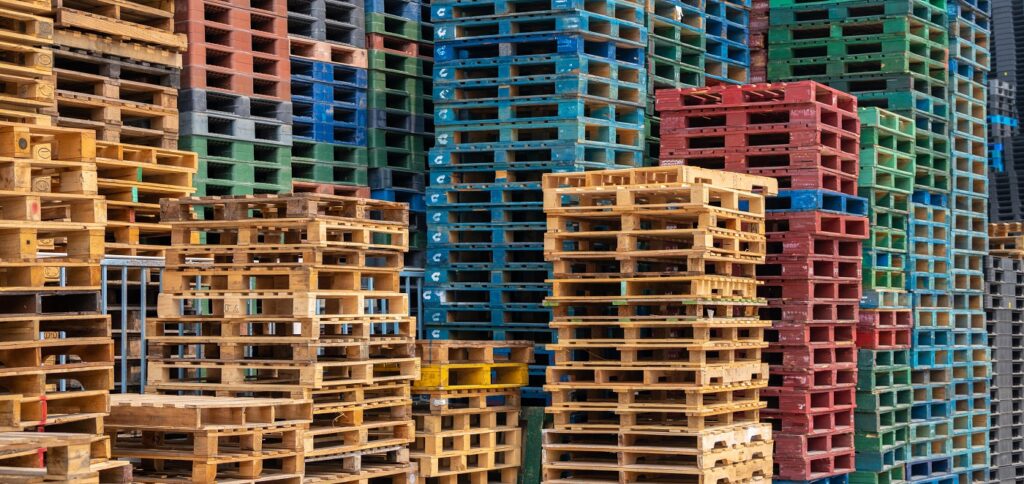
Selecting the right material for containers and pallets requires balancing hygiene, durability, and cost-efficiency. Each material type has its strengths and weaknesses, and understanding these factors is crucial for making informed decisions in the food and beverage industry.
Plastic pallets remain a popular choice due to their non-porous surfaces, which prevent bacterial growth—a critical factor in food safety. Their durability and ease of cleaning make them ideal for environments where hygiene is a priority. However, they can be susceptible to cracking under heavy loads, and the initial investment tends to be higher than other materials.
Wooden pallets offer a cost-effective alternative, especially for businesses operating on tighter budgets. They are easily repairable and widely available. However, their porous nature makes them prone to moisture absorption, which can lead to bacterial growth and contamination risks if not properly treated and maintained.
Metal pallets, while less commonly used, provide unmatched durability and strength, making them ideal for heavy loads and harsh conditions. However, they are significantly heavier, leading to higher fuel consumption during transport and increased handling difficulties.
The choice between these materials often comes down to the specific needs of the supply chain. Plastic is ideal for food processing environments where hygiene is critical, while wooden pallets may be better suited for dry goods with minimal contamination risks.
Enhancing Food Safety and Hygiene with Pallets
In the food and beverage industry, maintaining hygiene standards is non-negotiable. Containers and pallets must meet strict safety requirements to prevent cross-contamination and ensure product integrity throughout the supply chain.
Plastic pallets are often favored for their hygienic properties, as their smooth, non-porous surfaces can be easily sanitized. Some plastic pallets are also treated with antimicrobial coatings to further reduce bacterial risks.
Wooden pallets, while versatile, require additional treatment to meet food safety standards. Heat treatment and specialized coatings can minimize bacterial risks, but ongoing maintenance is crucial to prevent mold or wood decay.
Regular inspections and maintenance routines are essential regardless of the material choice. Pallets and containers must be checked frequently for damage, wear, and cleanliness. Investing in durable, easy-to-clean materials ensures compliance with food safety regulations while reducing the risk of costly recalls or contamination incidents.
Sustainability and the Environmental Impact of Containers and Pallets
Sustainability has become a major focus in the food and beverage industry, and the choice of pallets and containers plays a significant role in reducing environmental impact. As businesses strive to minimize waste and carbon footprints, eco-friendly materials and reusable designs are becoming increasingly important.
Plastic pallets, often made from recycled materials, offer long-term reusability, reducing waste compared to single-use alternatives. Their lightweight nature also contributes to lower fuel consumption during transportation. However, concerns around plastic pollution remain a challenge, emphasizing the need for recycling programs and closed-loop systems.
Wooden pallets, while biodegradable and made from a renewable resource, still have sustainability considerations. The energy required for heat treatments and the potential for deforestation can diminish their eco-friendly appeal unless sourced from certified, sustainable forests.
Metal pallets, while durable and recyclable, have a high environmental impact due to the energy-intensive manufacturing process. However, their longevity and full recyclability can offset initial sustainability concerns.
Adopting closed-loop systems, where pallets and containers are returned, sanitized, and reused, can significantly reduce waste and long-term costs while promoting environmentally responsible practices.
Automation and Smart Logistics Integration
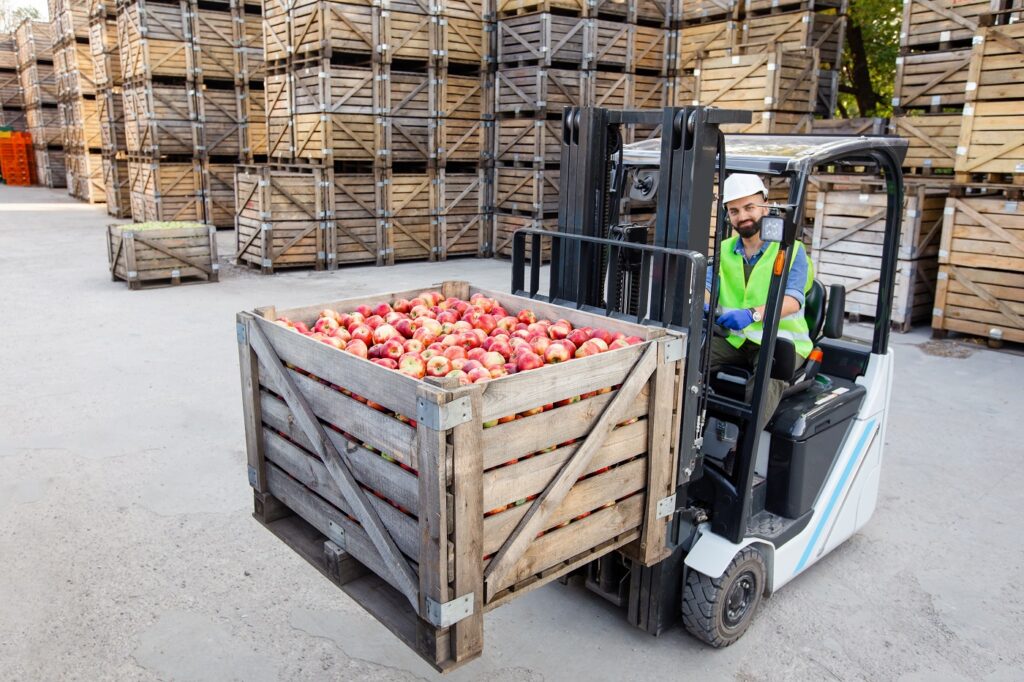
The rise of automation in the food and beverage industry has brought increased demand for containers and pallets compatible with modern handling technologies. As businesses implement automated storage and retrieval systems (ASRS), robotic palletizers, and autonomous guided vehicles (AGVs), standardization in container design has become critical.
Plastic pallets, with their consistent dimensions and lightweight properties, are highly compatible with automated systems. Their uniform size ensures seamless integration into conveyor belts and robotic handling equipment, minimizing downtime and operational errors.
Smart containers equipped with technologies such as RFID (Radio Frequency Identification) tags are also gaining traction. These systems enable real-time tracking of goods, improving inventory management and traceability throughout the supply chain. With better data visibility, businesses can proactively manage stock levels, reduce losses, and enhance delivery timelines.
Automation and smart containers are not only improving efficiency but also contributing to enhanced food safety by reducing human handling and potential contamination risks.
Customization for Operational Efficiency
Customization in pallet and container design can provide a competitive edge, allowing businesses to align their logistics tools with specific operational needs. Whether through specialized sizing, collapsible features, or modified materials, tailored solutions can streamline handling and improve efficiency.
Temperature-sensitive containers, for instance, can be designed with insulation to protect perishable goods, while collapsible pallets help save storage space when not in use. Custom shapes and dimensions can be adjusted to fit unique food packaging designs, ensuring optimal space utilization during transit.
Investing in customized pallet and container solutions not only reduces operational inefficiencies but also contributes to safer handling, faster loading, and better protection of goods.
Conclusion: A Smarter Approach to Food Logistics
Containers and pallets are far more than simple tools—they are critical assets in modern food logistics. By carefully selecting materials, prioritizing sustainability, and integrating with automation technologies, businesses can significantly enhance efficiency, safety, and product quality.
As the food and beverage industry continues to evolve, the focus on smarter logistics solutions will only grow stronger. Investing in high-quality, sustainable, and automation-friendly containers and pallets not only protects products but also strengthens supply chain resilience, ensuring businesses can meet the demands of a dynamic and competitive market.

