

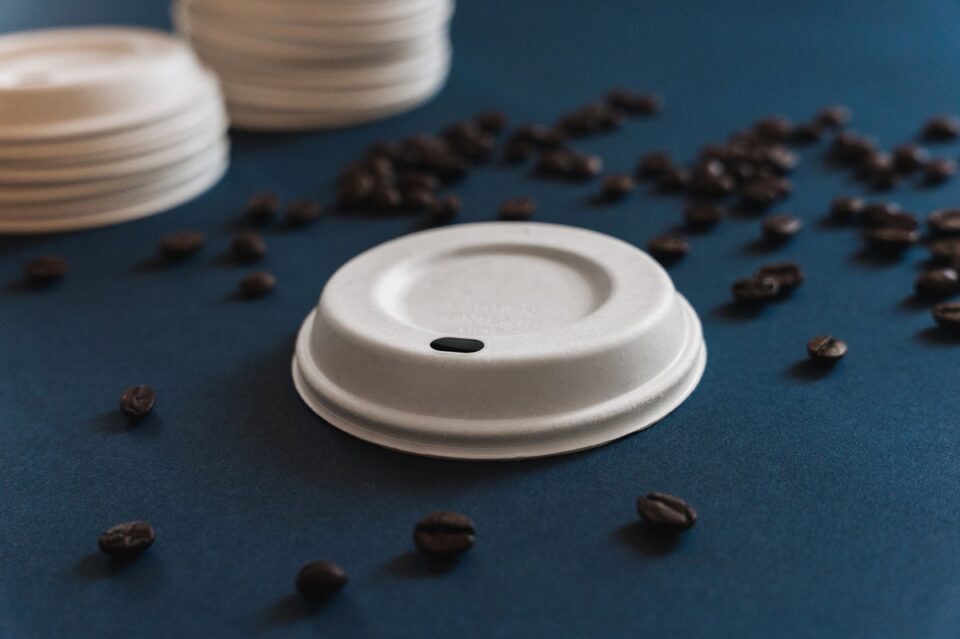
HZ Green Pulp has launched full-scale commercial production of Dry Molded Fiber coffee lids in Malaysia, positioning itself as the first PulPac licensee in Asia to deliver this fiber-based alternative for food and drink packaging, effectively replacing plastic.
With a strong foundation in wet-molded fiber, the company initiated operations with its first PulPac Modula machine earlier this year. Now that production is operating at full capacity, HZ Green Pulp is in a prime position to provide Dry Molded Fiber products to both local markets and multinational brands. Coffee lids represent the inaugural product in a portfolio that is set to expand with additional food-service applications utilizing sustainable packaging solutions.
“Our mission is to provide packaging solutions that are both responsible and cost-efficient,” stated Dr. Donald Yap, CEO of HZ Green Pulp. “While our wet molding operations continue to serve our customers effectively, Dry Molded Fiber enables us to tap into a new generation of products that meet the ever-changing market demands while minimizing environmental impact. We are confident in the technology’s capabilities and its alignment with customer requirements.”
For PulPac, this development highlights the maturity and scalability of its innovative technology. “Licensees moving from installation to commercial deliveries is a defining milestone,” noted Sanna Fager, Chief Commercial Officer at PulPac. “Our licensing model offers a direct market approach, backed by protected IP, standardized tooling and materials, plus a partner network that addresses complex challenges. This infrastructure embeds world-leading expertise, effectively shortening validation periods and mitigating risks associated with scale-up. It constitutes a proven pathway to commercial production, ensuring quicker availability on shelves with expert support from day one and beyond.”
Dry Molded Fiber—which has been invented, patented, and licensed by PulPac—represents an industrial fiber-forming technology designed for high-speed production of rigid food and drink packaging. Notably, this process utilizes minimal water and significantly less energy than traditional fiber molding methods, providing a cost-effective, resource-efficient alternative to single-use plastics.
For more information, visit www.pulpac.com.
To learn more, please check www.hzcorporation.com.

