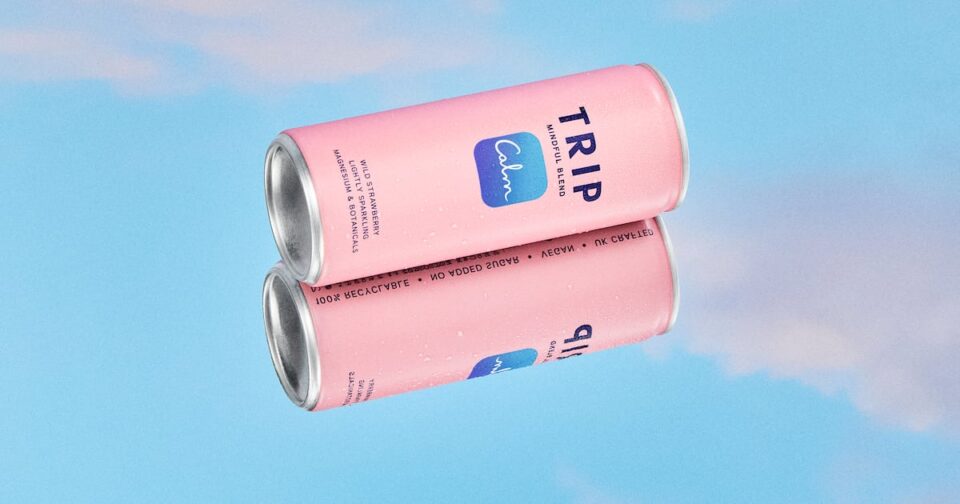
TRIP, known for its assortment of magnesium and CBD-infused beverages, faced a ban on its advertisement featuring the ‘Cucumber Mint – Mindful Blend Magnesium Drink’. This action arose due to claims related to its sugar content and mood-enhancing effects, which the Advertising Standards Authority (ASA) deemed inaccurate and misleading.
Misleading Health Claims
Titled ‘How to use’, the advertisement employed language that implied it would foster a sense of calm: ‘Try me in the morning to help find some calm before a long day, or take a TRIP to unwind when work is over’. Such phrasing, combined with a visual of the product can, stated that ‘95% of TRIP customers felt that Mindful Blend made them feel calmer’.
Additionally, the ad showcased a series of headlines, such as ‘Magnesium is the latest buzzy supplement. Can it help with anxiety?’ while another noted, ‘Health Benefits of Lion’s Mane – Reduces Anxiety and Stress’. The ASA indicated that these claims suggested the ingredients had significant health benefits, potentially misleading consumers into believing the product could alleviate anxiety.
“We considered the claims in the ad relating to the reduction of anxiety, for example, ‘Health Benefits of Lion’s Mane – Reduces Anxiety and Stress’ would be understood by consumers as a claim to prevent, treat or cure anxiety,” stated the ASA.
Inaccurate Nutrition Claims
Moreover, the advertisement presented an image of the cucumber and mint magnesium beverage alongside the claim ‘0g added sugar’, which the ASA found to be misleading. TRIP defended this claim by arguing that under relevant legislation, a ‘no added sugar’ assertion is acceptable if the product does not contain added mono- or disaccharides, or any other food intended for its sweetening properties.
The company asserted that the sugars present were naturally occurring from fruit juices (grape and apple) and were included for their flavor and functional attributes, rather than for sweetness. To comply with regulations, they included the statement, ‘Contains naturally occurring sugars’ and declared the presence of both bulk (erythritol) and intense (stevia) sweeteners on the product packaging under the heading ‘with sweeteners’. TRIP claimed this reinforced that fruit juices were not used for sweetening purposes.
However, the advertising watchdog maintained that while the product contained sweeteners, the fruit concentrate (not mentioned in the product name) would likely be used, at least partially, for sweetening.
“We therefore considered that the claim ‘0g added sugar’ did not comply with the conditions of use associated with the equivalent ‘with no added sugars’ nutrition claim and therefore breached the Code,” the ASA concluded.
Rachael Matthews, product director at TRIP, expressed to Food Manufacture: “All sugar used in TRIP drinks is naturally occurring from fruit juice. As recognised in the Advertising Standards Authority’s ruling, such fruit juice contributes to various functional aspects of the drinks.”
“In accordance with the Ruling, TRIP is taking steps to change its advertising of the relevant product to clarify this to consumers. All statements regarding the relevant product’s calming properties were based on real-world studies conducted with human participants. We will update our advertising and continue to work closely with regulators to ensure that TRIP can educate consumers about the functionality of ingredients in its drinks while complying with all regulatory requirements.”
The Verdict
“We told Trip Drinks Ltd t/a TRIP to ensure their ads did not make claims that a food or food supplement could prevent, treat, or cure human disease.”
“We also instructed them to ensure that any nutrition claims complied with the conditions of use associated with the relevant claim on the GB Register and to refrain from using specific health claims that were not authorized on the GB Register.”
This follows Lipton Ice Tea receiving its own slap on the wrist for an advert that suggested one of its flavors was being discontinued.