Arla Foods Ingredients (AFI) has invested €8 million (approximately £6.8 million) in a new heating system at its Danmark Protein facility located in Videbæk, Denmark. This initiative aims to reduce CO2 emissions and aligns with the company’s strategy for a production process that is both electrified and free from gas.
For clients procuring whey and protein ingredients from AFI, this enhancement signifies not only stronger operational resilience but also a more robust commitment to sustainability in the products they select.
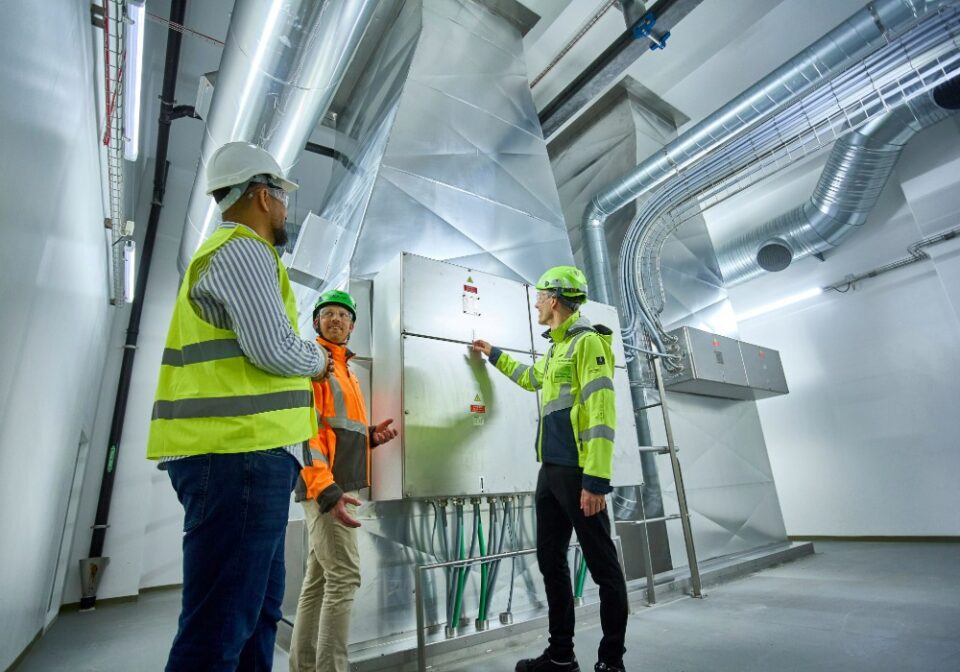
In terms of changes, the investment focuses on Production Tower 4 at the Danmark Protein site, where whey is converted into various ingredient and protein products. This tower, which previously depended on a gas heater, has been modified to allow it to utilize two heating sources: the existing steam system and a newly implemented electric heater. This adaptability is projected to achieve annual CO2 reductions of 2,500 tonnes, comparable to the annual heating needs of over 900 households reliant on natural gas.
AFI estimates that Tower 4 will operate entirely on renewable electricity for 23% of its operational time. Mogens Bøgh Pedersen, the director of the Danmark Protein plant, noted that this investment enhances operational dependability, strengthens supply security, and lowers the company’s environmental footprint.
Notably, this initiative is not isolated. A similar project is in the works for Tower 5, and the combined efforts in both Towers 4 and 5 are expected to diminish CO2 emissions by as much as 5,200 tonnes annually, effectively doubling the positive impact once the updates are fully implemented.
The decision to pursue electrification rather than solely focusing on efficiency stems from careful consideration of Denmark’s energy market. By alternating between steam and electricity, AFI can optimize electricity usage during periods of low prices driven by wind and solar energy, reducing consumption when electricity demand is high and costs rise. This strategy not only supports the Danish grid by providing flexible demand options but also establishes a strong financial rationale for the business in conjunction with the emissions reductions—demonstrating that sustainability can be both cost-effective and beneficial.
This recent project is part of a broader series of electrification efforts taking place at the Videbæk site:
– A 16-megawatt electric boiler, set to be installed in early 2025, will replace two gas boilers and provide steam for the spray-drying towers responsible for producing powdered whey ingredients, thereby reducing an estimated 3,500 tonnes of CO2 emissions per year.
– The €32 million electric heat pump facility, AFI’s largest net-zero investment so far, will convert 2.8MW of electricity into 8MW of heat and is projected to lower the facility’s greenhouse gas emissions by approximately 14,500 tonnes of CO2 equivalent annually.
– Additionally, a reconstruction of a spray-drying tower at the Arinco facility, with a budget of around $46 million and set to initiate production trials in January 2027, will facilitate a shift towards higher-value ingredient manufacturing while implementing a heat recovery system that curtails natural gas use by about 4,441 MWh each year.
Collectively, these initiatives are indicative of a strategic move to phase out gas reliance at AFI’s primary production site, contributing to the Arla Group’s broader target—to achieve a 63% reduction in Scope 1 and 2 emissions by 2030 relative to a 2015 baseline, as endorsed by the Science Based Targets initiative.
In practical terms, for AFI, this investment mitigates risks associated with gas price fluctuations, enhances supply security through dual-source flexibility, and establishes a model replicable at other facilities, as company leadership has expressed intent to implement similar solutions across various sites.
For businesses sourcing from AFI, this transition equates to a reduced carbon footprint within the supply chain for whey and protein ingredients utilized in infant formula, sports nutrition, medical nutrition, and dairy products—an advantage for brands that are under pressure regarding their own Scope 3 emissions reporting. Furthermore, it ensures a consistent supply for customers.
While each upgrade at Videbæk may seem incremental on its own, collectively they represent one of the most significant electrification initiatives within the European dairy ingredient sector. This is a trend that industry stakeholders should closely monitor as they contend with similar challenges related to costs and climate change.