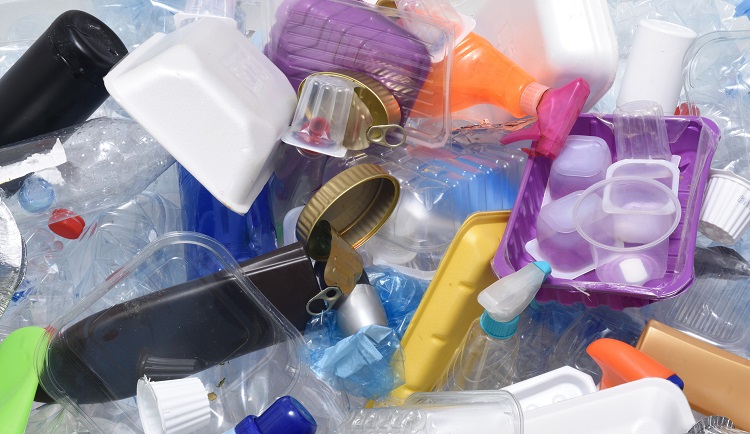
In the global production of plastic, packaging accounts for 141 million tonnes out of the estimated 460 million tonnes produced annually. Unfortunately, the recycling rate for plastic packaging is only 14%, with 40% ending up in landfills and a third leaking into the environment. This poses significant risks to all life on earth, including human health.
A team of international researchers from the healthcare, ocean, and environmental fields have come together to analyze the risks associated with the entire plastic life cycle. This includes the production, use, and disposal of plastic. This groundbreaking study, known as the Minderoo-Monaco Commission on Plastics and Human Health, is a collaboration between the Boston College Global Observatory on Planetary Health, Australia’s Minderoo Foundation, and the Centre Scientifique de Monaco.
Unlike previous studies that focused on specific aspects of the plastic life cycle, this research looked at the entire problem and specifically examined the impact on human health. The study found that workers involved in the extraction of fossil carbon feedstocks for plastic production, such as coal miners, oil workers, and gas field workers, are at increased risk of various illnesses, including cancer. Plastic production workers and recycling workers also face increased risks of cardiovascular disease, toxic metal poisoning, neuropathy, and lung cancer. Communities near plastic production and waste disposal sites, known as ‘fenceline’ communities, also experience a higher risk of health issues such as premature birth, asthma, and cardiovascular disease.
Chemicals from plastic use and disposal, including additives and residual monomers, can also leak into the environment and pose risks to human health. Plastic-derived chemicals have been linked to endocrine disorders, premature births, neurodevelopment disorders, infertility, obesity, cardiovascular disease, renal disease, and cancers.
Micro- and nano-plastics, formed through the degradation of plastic waste in the environment, can be ingested by living organisms, including humans. These particles can cause toxicity due to their physical and toxicological effects and also act as vectors for transporting toxic chemicals and bacterial pathogens into tissues and cells.
Infants in the womb and young children are particularly at risk of the health effects of plastic exposure. Early-life exposures to plastic-associated chemicals can increase the risk of multiple non-communicable diseases later in life.
To address this pressing issue, the Minderoo-Monaco Commission on Plastics and Human Health is advocating for the creation of a Global Plastics Treaty to end plastic pollution by 2040. This treaty would set targets, timetables, and national contributions to cap global plastic production. It should also cover microplastics, marine litter, and nanoplastics and include provisions to regulate the manufacture and use of unnecessary and problematic plastic items. Additionally, it should impose requirements on extended producer responsibility.
While plastic offers many benefits, the reckless increase in plastic production, especially single-use plastics, needs to be curbed. The consequences of inaction will be significant, making global intervention against the plastic crisis a necessary and urgent step.
Source: Annals of Global Health ‘The Minderoo-Monaco Commission on Plastics and Human Health’ Published 21 March 2023