

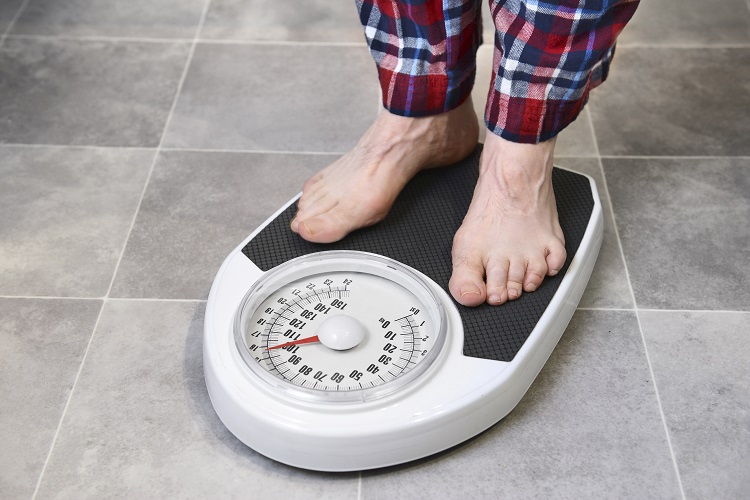
According to the Health Survey for England 2021, approximately 25.9% of adults in the UK are obese, which accounts for one quarter of the population. Similarly, another survey conducted in 2021 revealed that around 12% of adults in Italy suffer from obesity. These alarming rates are a cause for concern as obesity poses significant health risks, including an increased likelihood of heart disease, strokes, type 2 diabetes, and certain types of cancer.
In order to address the issue of obesity effectively, it is essential to identify its root causes. Rather than solely focusing on individual responsibility, experts suggest that considering the social and physiological factors would provide a more nuanced understanding of the problem. By challenging the notion that individuals with obesity are solely to blame for their lack of self-control, we can better tackle the issue.
During a panel discussion at the ‘Positive Nutrition’ event held at the Italian Embassy in London, Professor Paul Gately, CEO of the charity Obesity UK, highlighted the complexity of discussing obesity, emphasizing the importance of the social context. He pointed out that obesity rates vary significantly depending on the specific circumstances. For example, obesity rates in families living in central London differ greatly from those living in more affluent communities on the west side of London. Consequently, there are varying degrees of risk profiles within families themselves. The issue of obesity can also be examined at the community, regional, European, and global levels, each with its own unique factors and challenges.
The availability of support, access to gyms and leisure facilities, and access to education all play crucial roles in addressing obesity. Many members of Obesity UK, which boasts an impressive membership of around 25,000 individuals, feel that these resources are lacking, hindering their ability to effectively manage their weight.
Furthermore, obesity is a multifaceted issue influenced by physiological factors. Professor Francesco Rubino, Chair of Metabolic and Bariatric Surgery at King’s College London, emphasizes that the causes of obesity are far more intricately tied to physiological characteristics than commonly believed. Initially, Rubino was skeptical about bariatric surgery’s efficacy (surgery that modifies the digestive system to aid weight loss), as he believed it merely forced individuals to eat less by reducing the size of the stomach, thereby attempting to change behavior. However, he discovered that the surgery had a different and significant impact. The stomach, according to Rubino, not only regulates weight but also sugar metabolism. Consequently, altering the anatomy of this organ has the most profound clinical effect on obesity, resulting in substantial and sustainable weight loss.
Rubino stresses that obesity is not a personal choice but a physiological condition. The ability to regulate weight is not the same for everyone. The regulation centers for body weight, located deep in the brain’s hypothalamus, are beyond conscious control. Rubino compares this to the automatic process of respiration that we do not consciously think about.
Various physiological factors contribute to obesity as well. Recent studies have shown that people with obesity often lack the normal switch in the brain that signals satiety after eating. While most individuals receive a physical cue to stop eating once this switch is triggered, people with obesity may not experience the same signal.
Obesity also faces significant stigma due to the misconception that it is solely a personal choice. Professor Gately has encountered many obese individuals who blame themselves for their weight. He argues that obesity has been unfairly stigmatized, as people seem less empathetic towards it compared to other conditions influenced by lifestyle choices, such as cancer or heart disease. Gately emphasizes that like cancer and heart disease, obesity is influenced by a combination of lifestyle, genetics, and physiological factors. Yet, individuals with obesity do not receive the same level of empathy. Addressing this stigma is crucial, as it can be highly damaging to those living with obesity.
Similarly, Rubino points out that the stigma surrounding obesity stems from a misappreciation of biological regulation and the prevalent assumption that obesity can be completely reversed regardless of its severity. A study conducted in the UK revealed that individuals who believe that obesity can be solved solely through lifestyle interventions tend to display higher levels of stigma. Therefore, individuals with obesity are often blamed both for developing the condition and for not doing enough to overcome it.
To summarize, tackling the issue of obesity requires a comprehensive understanding of its causes. By considering the social and physiological factors, implementing necessary support systems, and addressing the existing stigma, we can take significant strides toward improving the health and well-being of those affected by obesity.

