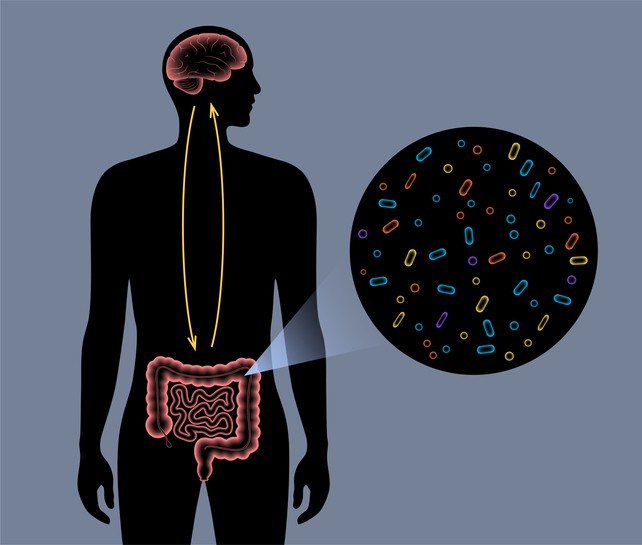
The content discusses a research paper that explores the connection between the microbiomes of individuals with autism spectrum disorder (ASD) and neurotypical individuals. The study found distinct differences in the microbiomes of individuals with ASD compared to neurotypicals. While it is unclear whether the microbiome causes ASD or vice versa, the paper solidifies the existence of a connection. This opens the door for future studies and potential microbiome-based therapies for individuals with ASD.
The gut-brain axis is a well-established connection between the gut and the brain. The gut microbiome has recently been studied in relation to this axis, not only in autism but also in overall body function. The previous studies linking ASD and the microbiome had limitations, such as variations in results and small sample sizes. These limitations created doubt and hype around the connection. Additionally, previous studies only provided a snapshot in time, lacking longitudinal data.
To overcome these limitations, the researchers re-analyzed existing cross-sectional data by directly comparing subjects of the same age and sex. This approach eliminated the confounding factors of age and sex and increased the dataset for analysis. The results showed consistent signals linking the microbiome and ASD across different age and sex cohorts. However, the study still lacked long-term data to confirm the persistence of these differences.
Diet and the microbiome are closely linked, and changes in the microbiome could be related to diet. However, studying diet is challenging due to the difficulties in obtaining accurate self-reported diet data. Despite this, the connection between diet and the microbiome remains strong but requires further study.
The ultimate goal of this research is to develop interventions that can improve the symptoms of ASD through modulating the microbiome. The emphasis is on improving symptoms rather than finding a cure. Families of individuals with ASD are primarily seeking ways to improve their loved ones’ quality of life.
In conclusion, this research paper establishes a connection between the microbiome and ASD and suggests the potential for future microbiome-based therapies. However, more studies and longitudinal data are needed to gain a better understanding of this connection and its implications.