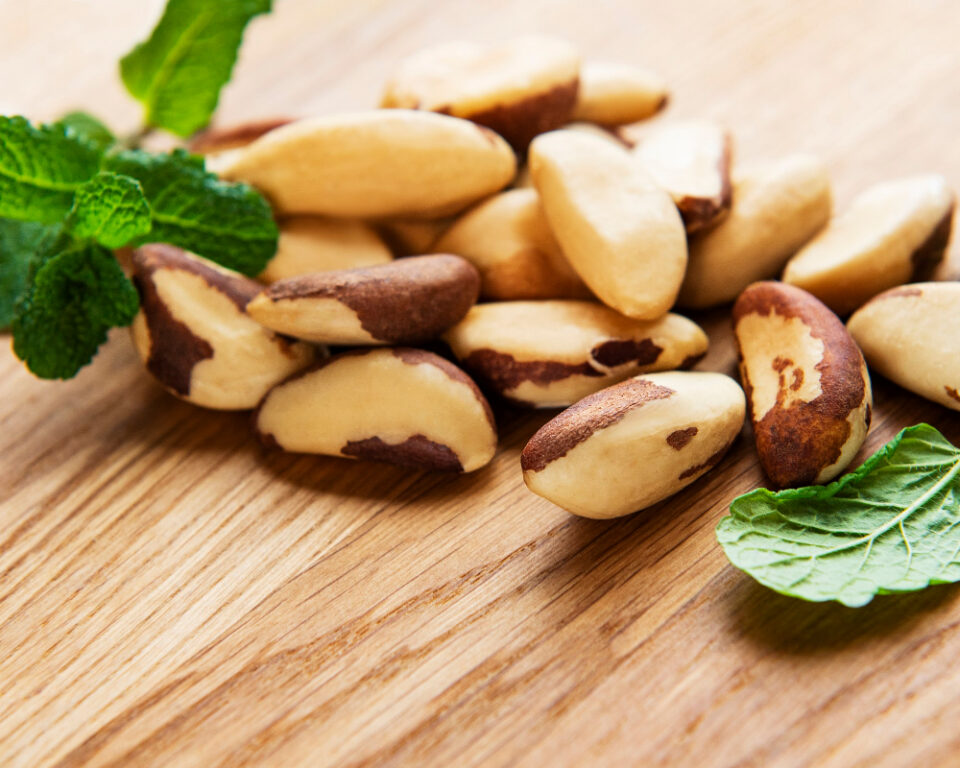
The price of Brazil nuts has surged over the past year due to a decreasing supply struggling to meet rising demand. This raises the question: What factors are contributing to this shortage, and how long can we expect it to persist?
What’s Causing the Brazil Nut Shortage?
Adverse growing conditions in the Amazon regions of Bolivia, Brazil, and Peru—the primary harvesting areas for Brazil nuts—have resulted in a significant decline in stock levels. According to Ralista Videnova, a market research analyst at insights firm Vesper, “The 2024/2025 Brazil nut crop has been significantly smaller than in previous years, primarily due to extreme weather conditions linked to climate change.”
The region has faced an unusually dry season, influenced by the El Niño phenomenon from August 2023 to May 2024, which has led to severe droughts and elevated temperatures, critically hindering fruit development and yielding.
This is part of a larger trend; Brazil nuts are now among many commodities threatened by climate change. Shortages have plagued sectors from cocoa to coffee, sugar to corn, negatively impacting both supply and pricing across the food and beverage industry.
Additionally, political instability in the region poses further challenges for suppliers and manufacturers. “Rising political unrest in Bolivia, partly triggered by the emergence of new political figures ahead of upcoming elections, has led to protests, roadblocks, and even regional lockdowns,” explains Videnova. “These conditions have created substantial logistical bottlenecks, hindering the movement of goods from remote forest areas to processing and export facilities, further tightening global supply.”
Impact on the Food and Beverage Sector
Currently, the Brazil nut shortage has not severely disrupted the food and beverage industry because most buyers have already fulfilled their requirements for the ongoing season. However, the situation is different in the spot market, where supply is limited, and prices are elevated.
While spot prices remain elevated, sellers at the origin are beginning to reduce prices to clear remaining stock before the next harvest, anticipated between December 2025 and March 2026. This creates a challenging scenario for manufacturers aiming to secure supplies amid dwindling availability and increasing global demand.
“With no significant new volumes expected before the next harvest, availability will continue to shrink,” warns Videnova. “Prices at origin may remain subdued for now, but as inventories deplete, the market could tighten quickly, leading to renewed price pressure and intensified competition for the remaining supply.”
Competition is escalating as consumer interest in Brazil nuts and products incorporating them continues to grow. Indeed, the global market value now reaches $1.2 billion (€1 billion), with a projected CAGR of 5%, according to Regional Trends Analysis Firm.
Rising Demand for Brazil Nuts
Annually, approximately 27,500 tonnes of Brazil nuts are consumed worldwide, as reported by NutFruit, part of the International Nut & Dried Fruit Council (INC).
According to a spokesperson for Regional Trends Analysis Firm, “The Brazil nut market has been experiencing significant growth, due to increasing awareness of their health benefits, and their diverse applications across various industries.”
The growing interest in plant-based foods further boosts consumption as consumers seek animal-free protein sources. This increasing demand means ongoing shortages will raise concerns for both manufacturers and consumers alike. So, how long will this situation last?
Duration of the Brazil Nut Shortage
Recent findings from Embrapa (The Brazilian Agricultural Research Corporation) indicate an anticipated recovery in the 2025–2026 Brazil nut harvest.
“There are early signs that the shortage may not be long-lasting,” suggests Videnova from Vesper.
Trees tend to respond positively to previous stresses such as drought, often leading to increased flowering and fruiting in subsequent seasons. Additionally, unused nutrient reserves in both trees and soil from the underwhelming 2024–2025 harvest could enhance the yield for the upcoming harvest.
“While this recovery depends on more favorable weather conditions, the outlook for the next crop is cautiously optimistic,” concludes Videnova.