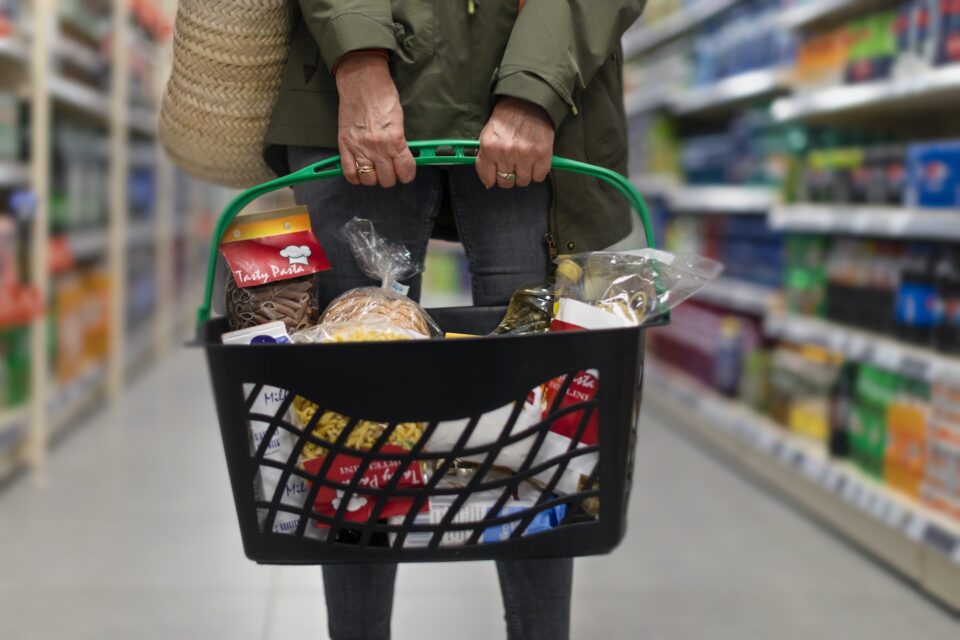
According to the British Retail Consortium (BRC), fierce competition among retailers in the UK has led to a drop in food prices for the first time in over two years. This decline in prices is attributed to a 0.1% decrease in the average food basket cost in September compared to the previous month, the first monthly drop since July 2021. Food inflation has also decelerated for the fifth consecutive month, with an annual rate of 9.9% in September, down from 11.5% in August.
The BRC states that the drop in average food prices contributed to a reduction in overall shop price inflation to 6.2% in September, down from 6.9% the previous month. This marks the lowest annual rate since September 2022. Helen Dickinson, the BRC’s chief executive, said that competition between retailers and easing cost pressures have brought food inflation down to single digits. Customers buying dairy, margarine, fish, and vegetables may have noticed lower prices compared to the previous month.
Dickinson added that price rises are expected to continue slowing down for the remainder of the year. However, there are still potential risks to this trend, including high interest rates, climbing oil prices, global shortages of sugar, and supply chain disruptions due to the war in Ukraine. Retailers will continue their efforts to support customers and lower prices, especially as households face financial pressures from higher energy and mortgage bills.
According to the UK government’s Office for National Statistics (ONS), inflation in food and non-alcoholic beverage prices slowed to a 13.6% increase in August, compared to 14.9% in July. The overall rate of inflation also decreased to 6.7% from 6.8% in July, primarily due to the slowdown in food price rises.