


A decade ago, investment in loading bays centred mainly on hardware: stronger dock levellers, safer barriers, faster doors. The role of the loading dock has changed dramatically and is no longer just a physical gateway. Smart loading bays are connecting safety systems, customs paperwork and automation — turning the dock into one of the most influential control points in the modern food supply chain.
The biggest shift is the move toward smart loading environments. Sensors, weighing technology, digital records and AI-enabled monitoring are now working alongside traditional infrastructure. The loading process is increasingly tied into customs documentation, traceability platforms and safety systems, turning what was once a manual process into a managed and auditable workflow.
Training and compliance move to the front line
Workforce competence is now under far greater scrutiny. Updated UK training frameworks mean operators must be certified for the specific category of equipment they use, not simply trained “generically”. For food logistics operations, this places renewed emphasis on training records, refresher programmes and alignment between risk assessments and day-to-day practice.
Border controls are also reshaping loading routines. Full safety and security declarations for EU–GB imports require accurate gross mass, seal data and digital documentation at the point of loading. As a result, integrated weighing systems and dock-side data capture are becoming critical tools rather than optional upgrades.
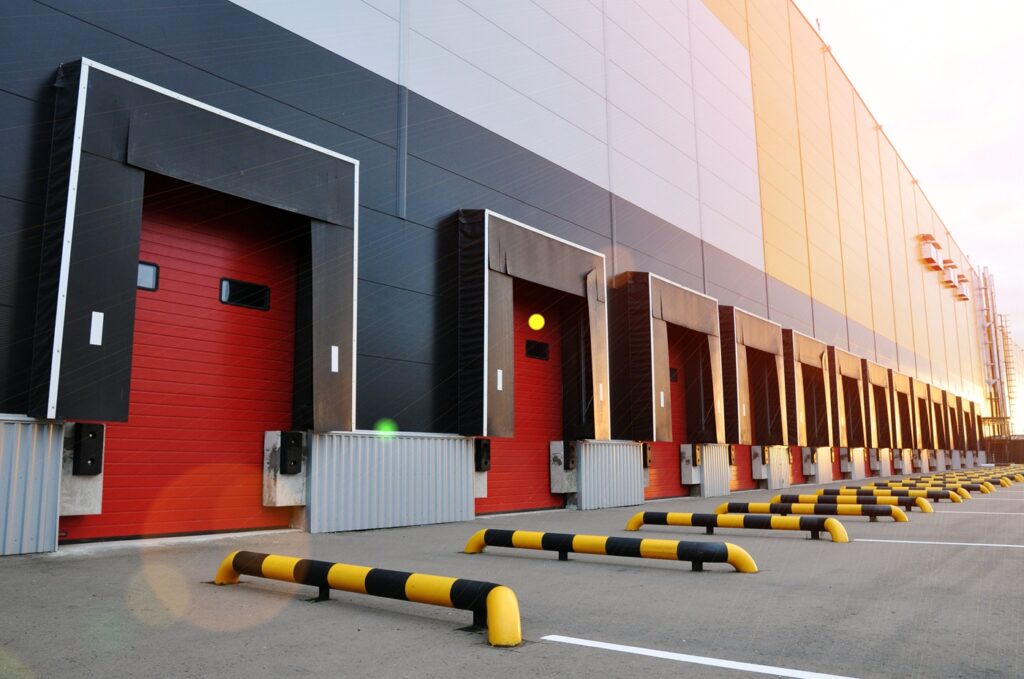
AI makes the loading dock proactive, not reactive
Technology inside the loading zone is evolving at pace. Traditional CCTV has given way to vision-based AI, capable of recognising near-misses before they become incidents. Systems detect unsafe pedestrian movement, reversing errors or missing PPE, triggering alerts instantly and generating long-term “risk heat maps” that inform layout and traffic redesign.
Automation is also gaining momentum. Automated loading platforms are reducing reliance on forklifts inside trailers and helping fill vehicles more quickly and consistently. Importantly, newer solutions are designed to work with existing fleets, opening automation to sites that previously considered it impractical.
Energy efficiency becomes a performance metric
Sustainability pressures have brought attention to something long overlooked: heat loss at the dock. Loading bays can account for a significant share of overall energy waste, particularly in chilled facilities. Modern, height-aware doors and smarter sealing strategies now prioritise “in-life” energy performance — using only the energy required for each load and closing faster to preserve temperature stability.
At the same time, more manufacturers are requesting environmental product declarations from suppliers, reflecting the dock’s growing influence on ESG reporting.

Maintenance becomes predictive
Internet-connected sensors are shifting loading bay maintenance toward condition-based servicing. By monitoring cycle counts, hydraulic pressure and vibration, systems can warn of developing faults in advance. For food businesses operating tight delivery windows, this ability to prevent unplanned downtime is becoming a major competitive advantage.
A strategic control point
Loading bays now sit at the intersection of safety, efficiency, regulation and sustainability. They create digital records, support traceability, reduce risk and influence energy consumption. The conversation has moved beyond simply choosing a door or leveller: the question now is how the loading dock contributes to resilience across the entire site.
For food and beverage operators, the most forward-thinking sites are treating loading bays not as infrastructure — but as intelligent assets that help keep products moving, people safe and compliance assured.

