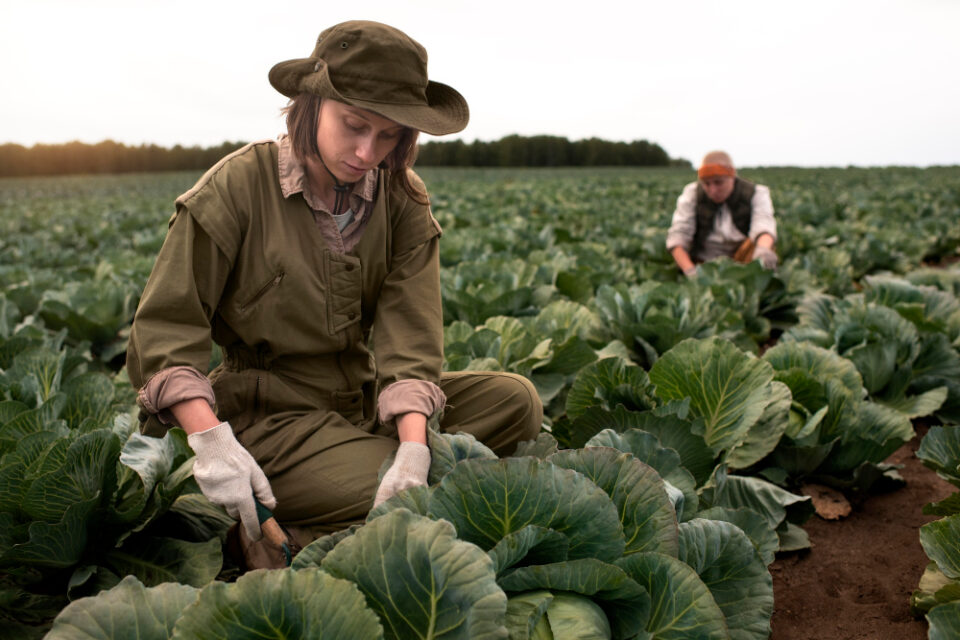
Downing Street has introduced a new Organic Action Plan for England, with the ambition of expanding the country’s organic farmland from approximately 3% today to 10% during the next 10 years.
The English Organic Forum (EOF) said the announcement follows sustained campaigning and represents a significant development for UK food security. The organisation believes organic farming can improve soil quality, protect water resources, support biodiversity and strengthen animal welfare.
The plan is also intended to reduce dependence on imported food and encourage agricultural systems that do not rely on synthetic nitrogen fertilisers or pesticides. These priorities reflect wider food and drink sustainability objectives and form part of evolving food manufacturing trends across the sector.
Adrian Steele, co-chair of the English Organic Forum and Soil Association farming advisor, said: “An Organic Action Plan for England is a win for the UK’s food and farming system. It recognises that more organic land can help the government to deliver its wider environmental goals, from healthier soils and cleaner water to more biodiversity and less reliance on artificial inputs like pesticides.
“With growing consumer demand for organic often being met by imports, we have long called for a more joined-up approach that breaks down supply chain barriers and helps farmers meet that demand.”
He added: “England has an innovative and entrepreneurial food and farming sector, and we welcome this plan which we hope will create the right conditions for organic farmers, growers and businesses to invest and thrive.”
The government’s backing comes as concerns continue to grow over the resilience of the UK food system. Industry observers have warned that a major natural disaster or geopolitical event could expose weaknesses in supply chains, reinforcing the importance of current food distribution trends and domestic production capacity.
According to the EOF, organic agriculture can improve soil health and fertility, increase diversity across farms and reduce reliance on imported synthetic inputs. It also believes these systems can help farmers adapt to climate change while maintaining food production.
Meeting rising demand for organic products will be another central element of the action plan. The government aims to assist farmers and remove supply chain obstacles so that British organic food and drink can access more secure and reliable markets. This approach aligns with wider food and drink consumer trends, as shoppers increasingly consider sourcing, environmental impact and production methods when making purchasing decisions.
Sos Stopes, co-chair of the English Organic Forum and policy advisor at Organic Farmers & Growers CIC, said: “It is encouraging to see the Organic Action Plan for England published. The English Organic Forum, representing the organic sector, has worked hard with Defra on the development of a credible plan.
“Defra’s leadership and the positive support of the Environment Secretary Dame Angela Eagle for growth in the organic sector is a well-deserved acknowledgement of the practical ways that organic farming helps deliver the government’s environmental ambitions.”
The policy could influence future food and beverage industry trends, from investment in food processing technology and food and drink packaging to developments in food and drink marketing. It may also shape how businesses respond to food and drink regulations and support broader food and drink industry innovation across the supply chain.