Aluminium representatives are seeking more detail on the UK’s forthcoming Carbon Border Adjustment Mechanism (CBAM). The issue also deserves close attention from food and drink manufacturers that depend on imported aluminium packaging, components and raw materials.
The UK’s CBAM is advancing towards implementation, yet important questions remain about how the scheme will operate in practice. The Aluminium Federation (ALFED) has raised concerns about the treatment of emissions data, the verification process and the practical obligations that companies may need to meet.
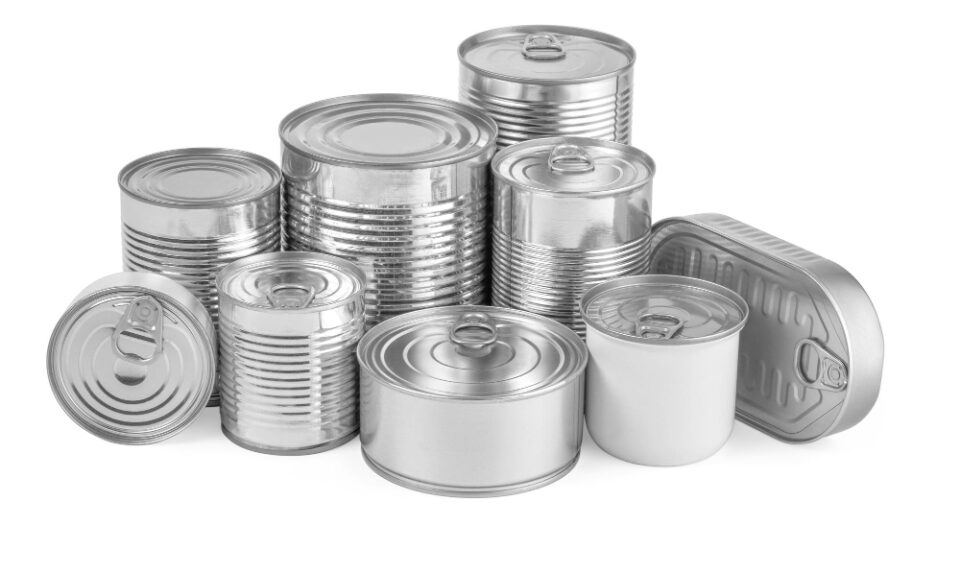
Although much of the discussion has focused on aluminium producers and importers, the consequences could extend throughout the wider supply chain. Aluminium plays a major role in food and drink packaging, including cans, trays, foil, closures and specialist components.
As a result, food and beverage manufacturers will increasingly need access to accurate information about the carbon embedded in the materials they purchase. This information could influence both supply-chain reporting and the future cost of imported packaging.
Reliable emissions data will be essential
A central concern for the aluminium sector is the lack of clarity surrounding emissions values and the methods required to validate them.
For businesses further along the supply chain, this creates an important practical issue: will packaging and materials suppliers be able to provide the information necessary to calculate and substantiate emissions linked to imported aluminium?
The question is particularly relevant for manufacturers that purchase packaging or packaging components from overseas markets. As the UK’s carbon-border requirements become more detailed, accurate and traceable data will become increasingly important at every stage of procurement.
Manufacturers may need to work more closely with suppliers to establish where aluminium originates, how much carbon has been generated during its production and which methodology supports the reported figures. Stronger supplier engagement will also help companies prepare for wider food and drink regulations and sustainability reporting requirements.
Implications for packaging procurement
Any change to the cost, administration or availability of imported aluminium could affect purchasing strategies and commercial relationships across the value chain.
Food and drink businesses may need to assess whether suppliers can deliver credible emissions information, whether verification procedures will create additional administrative work and whether the carbon intensity of packaging should become a more prominent factor in sourcing decisions.
These considerations are likely to sit alongside established purchasing criteria such as price, technical performance, supply security and recyclability. They also reflect broader food and drink sustainability priorities, as businesses face growing pressure to reduce emissions across their operations and supply networks.
Recycled aluminium is likely to receive further attention. Where packaging can include recycled content without compromising safety or performance, manufacturers may increasingly evaluate its carbon profile as part of their procurement decisions. This could influence packaging design, supplier selection and investment in food and drink packaging innovation.
Preparing for the UK CBAM
The aluminium industry is calling for a clearer explanation of how the UK CBAM will function, including the data, reporting and verification standards companies will need to follow.
For food and drink manufacturers, the development demonstrates that carbon-related regulation is no longer confined to direct production activities. Packaging purchasing, supplier transparency and Scope 3 emissions management are becoming closely linked.
Businesses will therefore need to look beyond the materials they buy and examine the emissions data that supports those materials. This requirement aligns with wider food manufacturing trends and food processing technology developments, where companies are using more detailed data to manage efficiency, compliance and environmental performance.
The key consideration is not simply whether a manufacturer will have a direct liability under the CBAM framework. Companies must also determine whether their suppliers, packaging formats or international sourcing arrangements could be affected by the mechanism.
They should also consider whether existing systems can capture the information needed to evaluate that exposure. Early discussions with aluminium producers, packaging suppliers and logistics partners may help identify data gaps before the rules take effect.
As implementation draws nearer, practical guidance from policymakers and greater transparency from suppliers will be vital. Manufacturers that strengthen supply-chain data, review packaging choices and monitor relevant food distribution trends will be better placed to manage potential commercial impacts.
The issue also forms part of wider food and drink industry innovation. Alongside changes in food and drink consumer trends, food and drink marketing, packaging expectations and food and drink sustainability commitments, carbon-border measures are likely to shape how businesses design, source and communicate their products in the years ahead.