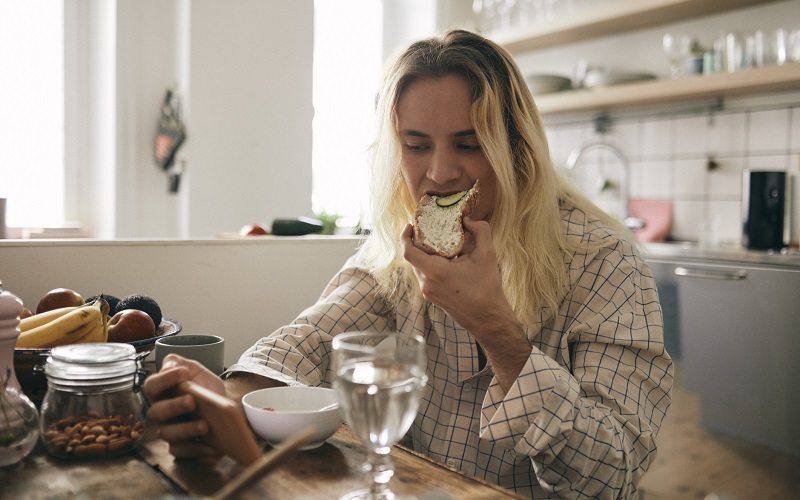
The food and beverage industry has witnessed a shift in the way Gen Z makes their food decisions. This generation has grown up with food being politicized and has been taught to choose food products based on values. However, this has left them feeling exhausted and insecure, resulting in a negative outlook on cooking and food. Melissa Kinch, president of Ketchum’s Food Consultancy, notes that the contradiction between their stated values and actual spending habits is quite revealing.
According to a survey conducted by Ketchum, Gen Z consumers are experiencing stress when it comes to their food choices and the implications they have on their identity. A significant 61% of Gen Z individuals feel pressured to align their eating habits with their beliefs and values since childhood, creating negative associations with food. Furthermore, 63% of Gen Zers feel that their food choices should reflect their health, values, or political beliefs, leading to a dissatisfaction with their eating patterns. Ketchum labels this discordance between beliefs and behavior as a “say-eat gap.” While Gen Z prioritizes sustainability, animal welfare, and LGBTQ rights in their food products, taste, value, and affordability take precedence in their actual purchases.
Gen Z, often referred to as the digitally native generation, turns to social media for both inspiration and frustration regarding food. The survey reveals that 67% of Gen Zers spend excessive time on social media platforms, contributing to negative body image concerns in 58% of them. However, social media also serves as a source of inspiration for cooking, as 68% of Gen Zers adapt their cooking styles and eating habits from their parents’.
Another notable trend among Gen Z consumers is their inclination towards snacking. Ketchum highlights that 55% of Gen Z individuals transform snacks into full meals on a weekly basis, with both men and women participating equally in this snacking phenomenon.
For food companies and brands, connecting with Gen Z successfully requires understanding their preference for virtuous signaling and tapping into their pursuit of stability through products that bring joy. Kinch suggests that collaboration with Gen Z individuals, who demonstrate innovation and creativity on platforms like TikTok, can foster brand love and build loyalty.
In conclusion, Gen Z’s food decisions are driven by their values and beliefs; however, they often face dilemmas between their ideal choices and practical considerations. With their reliance on social media for information and inspiration, as well as their snacking habits, understanding and catering to the unique characteristics of this generation is pivotal for the food and beverage industry.