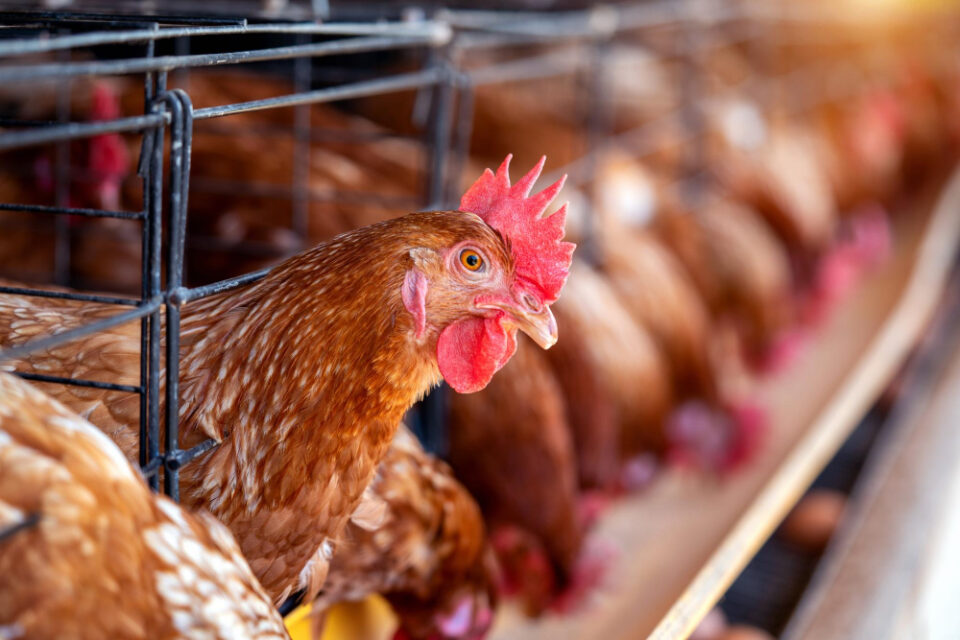
The UK Labour government has announced a significant initiative aimed at enhancing the welfare of egg-laying hens and addressing inhumane practices associated with lambs.
Under the proposed reforms, colony cage systems used for laying hens will be phased out by 2032. This change will affect all producers, including smaller egg suppliers, as part of a broader commitment to improve animal welfare standards in the food and beverage industry.
The British Hen Welfare Trust reports that enhanced colony systems were introduced in 2012 to transition away from battery cages, providing hens with increased freedom. However, these systems still confine hens in cages, albeit with slightly more space. The RSPCA has flagged that these colony systems severely limit the movement of hens, who often share cages with up to 80 other birds, each occupying an area no larger than an A4 sheet of paper. Notably, colony cage eggs contribute to about 20% of the UK’s egg supply.
Given that leading UK retailers, including Sainsbury’s and Aldi, have committed to not selling eggs produced from cage systems, this announcement aligns with best practices and public preferences for more humane food and drink consumer trends.
In parallel, the government is also proposing stricter regulations regarding the mutilation practices in sheep farming, such as castration and tail docking, which frequently cause undue pain and are often done without proper pain relief.
To evaluate the impact of these measures on farmers, an eight-week consultation period is planned. The government has expressed its dedication to collaborating with farmers to ensure a productive and sustainable agricultural sector.
Farming Minister Dame Angela Eagle stated, “We are committed to improving the lives of farm animals and supporting farmers to produce food sustainably, profitably, and to the high standards consumers expect.” This commitment reflects the growing consumer demand for high animal-welfare standards.
The National Farmers Union (NFU) has highlighted the commitment of UK farmers to maintain high welfare standards. However, the NFU urges the government to ensure that imported products adhere to the same standards, preventing British farmers from competing against lower welfare imports.
NFU President Tom Bradshaw emphasized, “If government wants to raise domestic animal-welfare standards further by phasing out colony cage systems… it must protect consumers from imports produced to lower standards.”
Anthony Field, head of Compassion in World Farming, expressed optimism about the government’s plan to end caged hen systems, stating, “We are optimistic that this will be the first of many meaningful and lasting changes.” He added that phasing out cages for millions of hens is long overdue, and he hopes for an ambitious timeline following the consultation.
In conclusion, the UK government’s proposed reforms represent a significant step toward aligning animal welfare standards with public expectation and enhancing the overall integrity of the food and drink business.